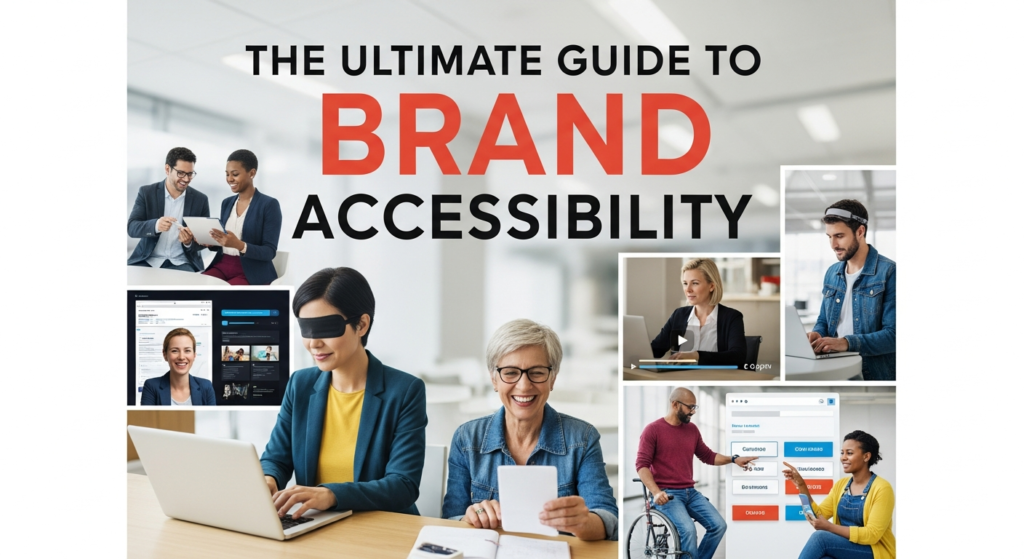

In a digital marketplace defined by choice, the most successful brands are those that prioritize radical empathy and universal design. Creating an inclusive customer experience is no longer a peripheral “nice-to-have” feature; it is a core business strategy that ensures your message reaches every potential advocate. This guide explores how brand accessibility catalyzes growth, search visibility, and long-term consumer trust.
True accessibility is about more than just legal compliance—it is about removing the friction that prevents people with disabilities from interacting with your business. According to insights shared by Brand Promo Tips, approximately 15% of the global population lives with a disability. By designing with these users in mind, you aren’t just being ethical; you are opening your doors to over one billion people who are often overlooked by traditional marketing.
Why Accessibility is Your Secret SEO Weapon
There is a profound overlap between inclusive design and modern Search Engine Optimization. Google’s algorithms are increasingly sophisticated, prioritizing “User Experience Signals” that mirror the needs of assistive technologies. When you optimize for a screen reader, you are essentially providing a roadmap for a search engine crawler.
By focusing on brand accessibility, you naturally implement high-value SEO tactics. Features such as descriptive alt text for images, logical heading hierarchies (H1, H2, and H3), and fast-loading, clean code tell search engines that your site is high-quality and authoritative. In the eyes of an algorithm, an accessible website is a superior website.
The Foundations of an Inclusive Visual Identity
Your brand’s visual elements should communicate clearly to everyone, including the millions of users with color blindness, low vision, or situational impairments.
Mastering Color and Contrast
Color should support your message, never be the sole carrier of it. To meet international standards (WCAG), your text must maintain a contrast ratio of at least 4.5:1 against its background. Brand Promo Tips suggests using automated contrast checkers to ensure your brand palette remains vibrant yet readable for those with visual sensitivities.
Typography for Cognitive Ease
The choice of font dictates who can consume your content. Sans-serif fonts are generally the gold standard for digital accessibility because their clean lines are easier for the brain to process on screens. Additionally, generous line spacing and avoiding “all-caps” for long paragraphs can significantly reduce the cognitive load for users with dyslexia or attention-related disabilities.
Multimedia: Beyond Sight and Sound
As brands shift toward video-first strategies, the need for multisensory content has never been higher. To ensure your multimedia isn’t exclusionary, consider these three pillars:
-
Closed Captions: Essential for the deaf and hard-of-hearing, but also vital for the 85% of users who watch social media videos on mute.
-
Descriptive Transcripts: Providing a text-based version of your audio content allows screen readers to convey your message to visually impaired users.
-
CamelCase Hashtags: On social platforms, always capitalize the first letter of every word (e.g., #BrandAccessibilityGuide). This simple tweak allows screen-reading software to pronounce the words correctly.
The Business Case: Loyalty through Inclusion
The ROI of accessibility is found in brand resilience. Inclusive brands foster a sense of belonging, which translates into higher customer lifetime value (CLV) and intense brand advocacy. In an era where Gen Z and Millennials favor “purpose-driven” companies, a public commitment to accessibility acts as a powerful differentiator.
By treating accessibility as a continuous journey rather than a one-time project, you future-proof your brand against technological shifts. Whether it’s voice-activated shopping or augmented reality, an accessible foundation ensures you are ready to welcome the next generation of consumers.
Strategic Takeaways for Business Leaders
-
Audit Your Code: Use tools like WAVE or Axe to find technical barriers.
-
Refine Your Copy: Use descriptive link text instead of “Click Here.”
-
Train Your Team: Ensure every designer and writer understands the “why” behind inclusive standards.
Read the Full Article
Want to discover the specific tools, plugins, and step-by-step auditing processes required to build a world-class, inclusive brand? The full article offers an in-depth exploration of legal compliance, technical SEO, and advanced design principles to help you lead the market in accessibility.
👉 Read the full article here: https://www.brandpromotips.com/brand-accessibility-inclusive-customer-experiences/
#BrandAccessibility #InclusiveUX #DigitalStrategy