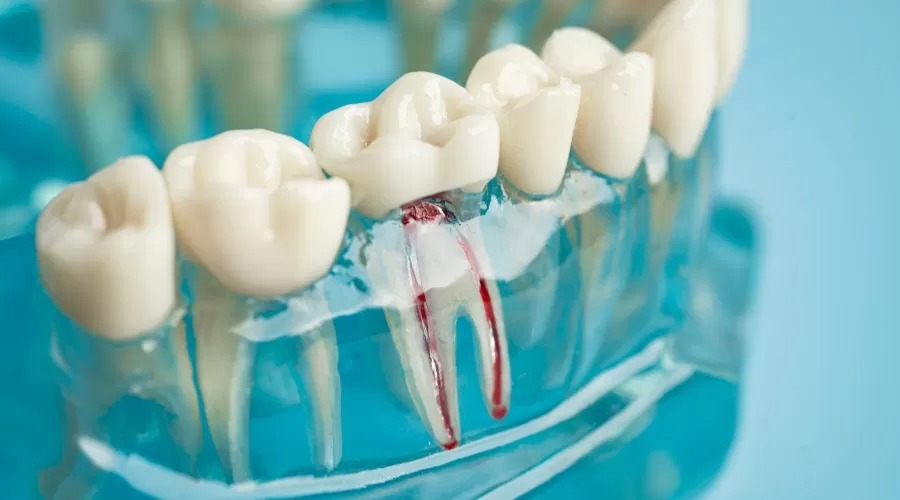

To many people, the words “root canal” bring up feelings of worry. Stories from years ago have created a reputation that doesn’t match modern dental care. Today, root canal treatment is a routine procedure designed to save natural teeth and relieve pain caused by infection or damage.
Understanding the root canal process can help remove uncertainty and make treatment feel far less intimidating. When you know what happens before, during, and after the procedure, it’s easier to make informed decisions about your oral health.
Why a root canal may be needed
Inside every tooth is a soft tissue called the pulp. This area contains nerves and blood vessels that help the tooth develop. When the pulp becomes infected or inflamed due to deep decay, cracks, injury, or repeated dental work, treatment is often necessary.
Without care, the infection can spread and lead to ongoing pain, swelling, and damage to surrounding tissues. In many cases, a root canal allows the tooth to be saved instead of removed.
Keeping your natural tooth matters. It helps maintain proper chewing function, supports surrounding teeth, and often reduces the need for more extensive dental work later.
What happens before treatment?
The first step is a thorough examination. Your dentist will assess the tooth, discuss symptoms, and usually take X-rays to understand the extent of the problem.
This stage is important because every case is different. Some patients arrive with severe discomfort, while others discover an issue during a routine check-up.
Your dentist will explain the treatment plan, answer questions, and discuss what to expect. Clear communication often makes the experience much more comfortable because patients know exactly what is happening and why.
What happens during a root canal?
The procedure itself is more straightforward than many people expect.
A local anesthetic is used to numb the area so you remain comfortable throughout treatment. Once the tooth is numb, the dentist creates a small opening to access the infected pulp.
The damaged tissue is carefully removed, and the inside of the tooth is cleaned and disinfected. The canals are then shaped and filled with a special material that helps prevent future infection.
At this point in the root canal process, the goal is simple: remove infection, protect the tooth, and restore long-term function.
Depending on the condition of the tooth, treatment may be completed in one visit or over multiple appointments.
Comfort and patient experience
One of the biggest surprises for many patients is how comfortable modern root canal treatment can be.
Advances in dental technology, anesthesia, and treatment techniques have changed the patient experience significantly. Most people compare the procedure to having a standard filling completed.
The discomfort that people associate with root canals is usually caused by the infection itself, not the treatment. In fact, treatment is often what brings relief.
A caring dental team also makes a difference. Taking time to answer questions and explain each step can help patients feel more relaxed and confident throughout the appointment.
Quality treatment and long-term value
Saving a natural tooth is often the preferred option whenever possible.
A successful root canal can allow a tooth to function normally for many years. After treatment, a dental crown may be recommended to strengthen and protect the tooth, particularly if a large portion of the structure has been affected.
Choosing treatment early can also prevent more complex problems from developing. Delaying care may increase the risk of tooth loss, bone damage, or the need for additional procedures.
For many patients, preserving a healthy natural tooth provides excellent long-term value for both oral health and overall comfort.
Recovery and aftercare
Most patients return to normal activities shortly after treatment.
Some mild sensitivity is common for a few days, especially if infection was present before the procedure. Any discomfort can usually be managed with medications recommended by your dentist.
Good aftercare plays an important role in recovery. This includes:
- Following your dentist’s instructions
- Maintaining regular brushing and flossing
- Attending follow-up appointments if required
- Protecting the restored tooth from excessive pressure
Once healing is complete, the treated tooth can continue functioning much like any other natural tooth.
Meeting modern patient expectations
Patients today expect more than effective treatment. They also want convenience, clear communication, and a positive experience.
Modern dentistry continues to evolve in response to these expectations. Digital imaging, improved treatment methods, and patient-focused care help make procedures more predictable and comfortable than ever before.
People are increasingly looking for solutions that support long-term health rather than temporary fixes. Saving a natural tooth through root canal treatment fits well with that approach.
A thoughtful choice for sustainable dental care
Keeping a natural tooth whenever possible is also a practical decision.
Preserving existing teeth helps reduce the need for replacement options and additional procedures. Maintaining natural tooth structure often supports better oral health outcomes over time.
Thoughtful treatment decisions today can contribute to healthier smiles for years to come.
Conclusion
Knowing what to expect can make a significant difference when facing dental treatment. The root canal process is designed to remove infection, relieve discomfort, and help preserve your natural tooth for the future.
At Officer Dental Care, we focus on providing patient-centered treatment in a comfortable and supportive environment. If you have concerns about tooth pain or have been advised that you may need root canal treatment, our team is here to guide you through every step with confidence and care.