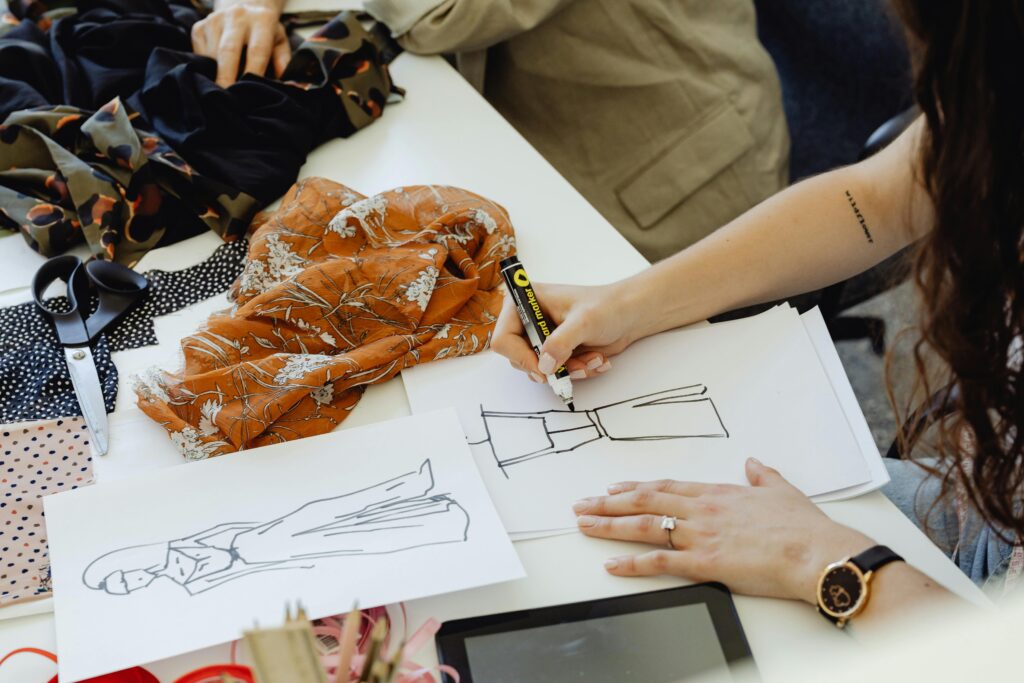

The fashion industry has always relied on visibility, connections, and storytelling. What has changed in recent years is how designers achieve these things. Social media has transformed the traditional fashion career path, giving aspiring designers direct access to audiences, industry professionals, and opportunities that were once difficult to reach. Today, platforms like Instagram, Pinterest, LinkedIn, and YouTube play a significant role in shaping how fashion design careers are built and sustained.
Social Media as a Modern Fashion Portfolio
For fashion designers, social media has become a dynamic portfolio space. Instead of waiting for runway shows, exhibitions, or interviews, designers can now share their work instantly. Sketches, fabric explorations, mood boards, garment construction, and finished looks can all be showcased online.
Platforms like Instagram and Behance allow designers to visually communicate their aesthetic and design process. For fashion design students, this online presence often becomes the first place recruiters, stylists, and collaborators look to understand their creative direction. A consistent and thoughtfully curated feed can reflect professionalism, originality, and growth over time.
Building a Personal Brand as a Designer
Fashion design is closely tied to personal identity. Social media enables designers to build a personal brand by sharing not just what they create, but why they create it. Through captions, reels, and stories, designers can express their inspirations, cultural influences, sustainability values, or design philosophy.
This personal branding helps designers stand out in a competitive fashion industry. When employers or clients connect with a designer’s story and perspective, it creates trust and recognition beyond individual designs.
Expanding Networks Beyond Physical Boundaries
One of the most powerful advantages of social media is global reach. Designers are no longer limited by geography. A fashion student in India can connect with photographers in Europe, stylists in Dubai, or brands in New York all through social platforms.
Engaging with industry content, participating in conversations, and collaborating online helps designers build professional networks early in their careers. Social media networking often leads to internships, freelance projects, and creative partnerships that might not be accessible through traditional routes.
Learning and Staying Updated with Industry Trends
Social media also serves as an ongoing learning resource. Fashion weeks, trend forecasts, material innovations, and design discussions are shared in real time. Designers can follow global fashion houses, independent labels, trend analysts, and educators to stay informed.
For fashion design students, this exposure helps bridge the gap between classroom learning and industry realities. It encourages awareness of evolving fashion trends, consumer preferences, and professional standards.
Showcasing the Design Process, Not Just the Outcome
Today’s audiences value transparency and authenticity. Instead of only showcasing finished garments, many designers use social media to document their creative process. Sharing concept development, pattern making, fittings, and revisions highlights technical skill and problem-solving ability.
This behind-the-scenes content allows designers to demonstrate depth and commitment to their craft. It also helps viewers understand the effort behind each design, building appreciation and credibility.
Opportunities for Independent and Freelance Designers
Social media has created new career paths in fashion. Designers no longer need to rely solely on established brands or fashion houses. Many independent designers build their careers through social platforms by attracting clients, selling custom pieces, or launching small labels.
For freelance fashion designers, social media acts as both a marketing and communication tool. A strong online presence increases visibility and helps designers reach audiences aligned with their aesthetic and values.
Strategy, Consistency, and Authenticity
While social media offers opportunity, success requires consistency and intention. Posting regularly, maintaining visual coherence, and engaging genuinely with followers helps build a loyal audience. Understanding platform features such as reels, stories, and hashtags can improve reach, but authenticity remains key.
Designers who focus on meaningful content rather than chasing numbers tend to build stronger, more sustainable online identities.
Managing Comparison and Creative Pressure
One challenge of social media is constant comparison. Seeing polished work from around the world can sometimes affect confidence, especially for students and emerging designers. It’s important to remember that social media often shows highlights, not the full creative journey.
Using social media as a source of inspiration rather than validation helps designers maintain a healthy relationship with their work and creativity.
Social Media as a Career Support Tool
Social media should be seen as a support system not a substitute for skill development and education. Strong design fundamentals, technical knowledge, and creative thinking remain essential. When combined with a thoughtful online presence, these skills allow designers to grow faster and connect more effectively with the industry.
Conclusion
Social media has become an essential part of building a fashion design career, offering visibility, learning, and connection in ways that were previously unimaginable. For aspiring designers, understanding how to use these platforms thoughtfully can support creative growth and professional opportunities. At the same time, strong design education remains the foundation of long-term success. Institutes like Cindrebay School of Design help students develop this balance by nurturing creative skills, industry awareness, and professional confidence preparing them to navigate both the fashion industry and the digital spaces that increasingly shape it.