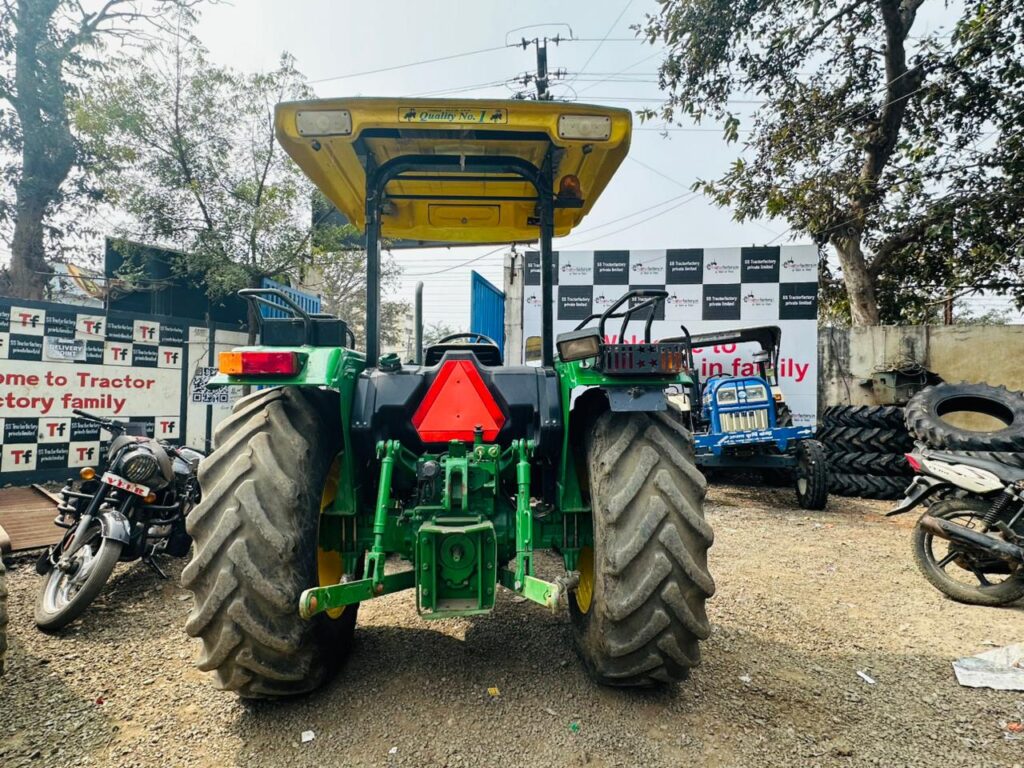

There’s something about a used tractor that feels… real. Not shiny like a showroom machine, not perfect, but dependable in a quiet, tested way. I didn’t understand that at first. I thought newer meant better—simple as that. But after spending a few seasons actually working the land, dealing with breakdowns, repairs, and long dusty days, my perspective changed.
If you’re considering a used tractor, I’ll tell you straight—there’s a lot to gain. But also a few things you really shouldn’t ignore. Some of them you only learn after getting your hands dirty.
Why a Used Tractor Makes More Sense Than You Think
At first glance, a brand-new tractor looks tempting. Fresh paint, zero hours, no history. But the price tag hits hard. That’s where a second hand tractor quietly wins.
When I bought mine, it already had a few scratches and dents. But it also had character—and more importantly, it cost almost half of what a new one would. That saved money went straight into seeds, tools, and a few unexpected repairs (which, trust me, will happen).
Also, older tractors are often simpler machines. Less electronics. Fewer things to fail in the middle of a field when you’re miles away from help.
The First Time You Start It—You’ll Know
I still remember turning the key on my tractor for the first time. It didn’t start instantly. There was a pause… a cough… then that deep rumble kicked in. Not smooth, but strong.
When checking a used farm tractor, don’t rush. Listen to the engine. Feel the vibration. Even the smell—yes, the smell—can give clues. Burnt oil or excessive smoke? Walk away.
A good machine might not be perfect, but it shouldn’t feel tired.
What Really Matters: Engine Over Looks
It’s easy to get distracted by fresh paint. Some sellers repaint tractors to make them look newer than they are. I almost fell for that once.
But here’s what I learned: ignore the outside, focus on the heart.
Check:
- Engine sound (steady or knocking?)
- Oil condition (clean or thick and black?)
- Exhaust smoke (light or heavy?)
A slightly faded tractor with a solid engine is worth far more than a shiny one hiding problems.
This is especially true when browsing old tractors for sale—many of them are decades old but still run beautifully if maintained well.
The Hidden Cost Nobody Talks About
Here’s the part most people skip over—maintenance.
A used tractor is cheaper upfront, yes. But you need to be ready for small repairs. Sometimes it’s just a belt or filter. Other times… well, it can be a bit more.
I once spent an entire afternoon fixing a minor hydraulic leak. Frustrating at the time, but also oddly satisfying. You learn your machine that way.
So before buying, ask:
- Are spare parts easily available?
- Is there a mechanic nearby who understands this model?
Because downtime during peak season? That’s something you really want to avoid.
Mileage (Hours) Isn’t Everything
People often ask, “How many hours has it run?”
Fair question. But it’s not the full story.
I’ve seen tractors with low hours that were poorly maintained—and others with high hours that ran like a dream. It comes down to care.
A well-maintained used agricultural tractor with regular servicing is usually a safer bet than a neglected one sitting idle for years.
Test Drive Isn’t Optional—It’s Essential
Don’t ever skip this step. Seriously.
Take the tractor out. Drive it. Turn it. Try lifting implements if possible. Check the brakes, clutch, and gears.
The first time I test-drove mine, the steering felt slightly loose. Not a deal-breaker, but enough to negotiate a better price.
Little things show up only when the machine is moving. And those little things matter later.
Where You Buy From Changes Everything
Buying from a known dealer feels safer, but you might pay more. Buying directly from a farmer? Riskier, but sometimes you find a gem.
I bought mine from a farmer who had used it for years. He knew every sound it made, every repair it had gone through. That honesty mattered more than any polished sales pitch.
If you’re searching for a used tractor for sale, don’t just look at listings—talk to people. Ask questions. Trust your instincts.
If something feels off, it probably is.
The Emotional Side No One Mentions
This might sound strange, but tractors become part of your routine. You notice how they start in the morning, how they handle rough patches, even how they sound when idling.
A used tractor, especially, carries a bit of history. Someone else worked with it before you. And now it’s part of your story.
There’s a quiet satisfaction in that. Hard to explain unless you’ve felt it.
Negotiation Is Part of the Process
Here’s a practical tip—never accept the first price.
With a second hand tractor, there’s almost always room to negotiate. Point out small issues (respectfully), ask about service history, and don’t rush.
When I bought mine, I managed to bring the price down just by noticing worn tires and a minor oil leak. Nothing major, but enough to make a difference.
Final Thoughts: It’s Not Just a Machine
Buying a used tractor isn’t just a financial decision. It’s a practical one, sometimes even emotional.
You’re choosing a partner for your work—something that will be there on long days, in heat, dust, maybe even rain. It doesn’t need to be perfect. It just needs to be reliable.
If you take your time, check carefully, and trust what you see (and hear), you’ll likely end up with a machine that does exactly what you need.
And honestly… there’s something satisfying about bringing an old machine back to life and making it your own.