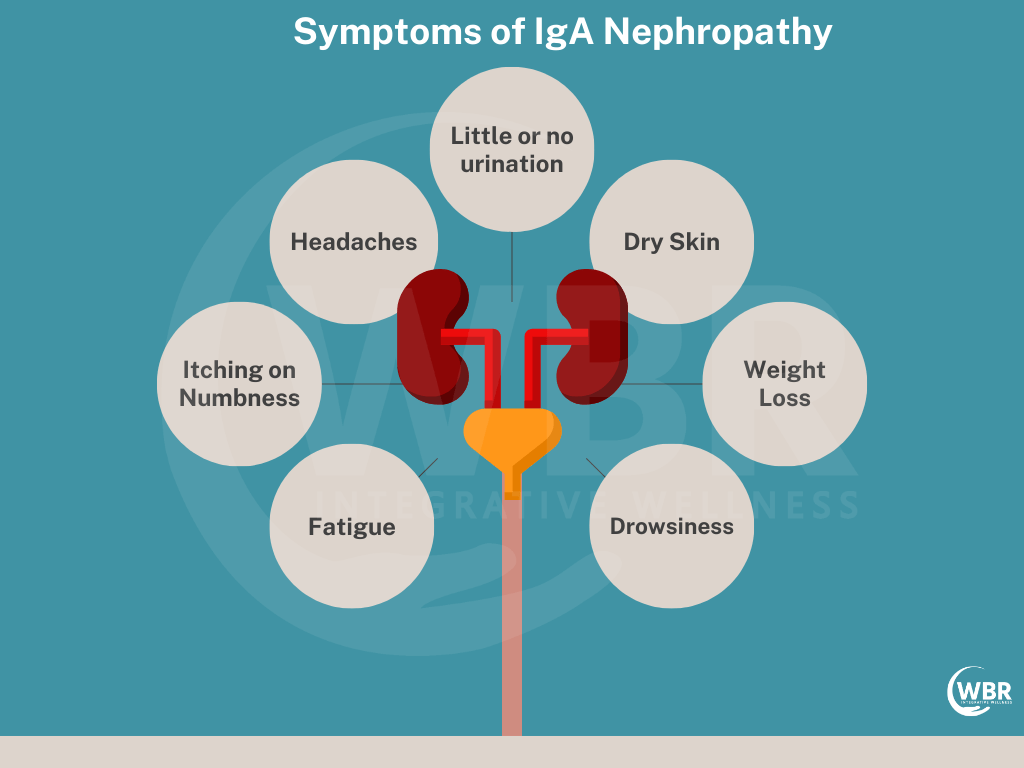

Kidney disease often feels like a puzzle—a collection of complex symptoms driven by invisible, microscopic changes within the body’s filtering units, the glomeruli. Two of the most common and challenging forms of glomerular disease are IgA nephropathy and Focal Segmental Glomerulosclerosis (FSGS). While both can lead to significant kidney damage, their origins and pathways of injury are fundamentally different.
At Neph Cure Inc., we are dedicated to bringing clarity to the complexities of kidney disease IgA nephropathy and FSGS. We know that accurate diagnosis—understanding the cause—is the only way to find the most effective, personalized treatment.
This professional post will demystify the distinct causes of IgA nephropathy, outline the challenging focal segmental glomerulosclerosis FSGS symptoms, and explain how both conditions contribute to the ongoing global challenge of chronic kidney disease.
Part 1: The Immune Triggers—Causes of IgA Nephropathy
IgA Nephropathy (IgAN), also known as Berger’s disease, is the most common form of primary glomerulonephritis worldwide. It is an autoimmune-like condition where the body mistakenly attacks the kidney. The disease is rooted in the abnormal production and handling of Immunoglobulin A (IgA), a type of antibody crucial for mucosal immunity (found in the gut and respiratory tract).
The Four-Hit Hypothesis: Causes of IgA Nephropathy
The pathology of IgAN is often described using a four-hit hypothesis, emphasizing its complex origins:
-
Hit 1: Abnormal IgA Production (The Genetic Component): The body produces a structurally abnormal form of IgA, specifically galactose-deficient IgA1 (Gd-IgA1). This abnormality is believed to have a strong genetic basis.
-
Hit 2: Autoantibody Formation: The patient’s immune system recognizes this Gd-IgA1 as foreign and creates antibodies (IgG and IgA) against it.
-
Hit 3: Immune Complex Formation: The Gd-IgA1 and the anti-Gd-IgA1 antibodies bind together, forming large, damaging immune complexes.
-
Hit 4: Glomerular Deposition and Damage: These circulating immune complexes get trapped in the mesangium (the structural core) of the kidney glomeruli. This deposition triggers a local inflammatory response, leading to the release of inflammatory chemicals, cell proliferation, and, eventually, scarring and loss of kidney function.
The clinical presentation of kidney disease IgA nephropathy often follows an upper respiratory or gastrointestinal infection, which is thought to trigger the massive production and circulation of these harmful IgA immune complexes.
Part 2: The Signature Signs—Focal Segmental Glomerulosclerosis FSGS Symptoms
Focal Segmental Glomerulosclerosis (FSGS) is a pathological diagnosis defined by scarring in the glomeruli. Unlike IgAN, which begins with an immune deposit, FSGS is characterized by direct injury and loss of the podocytes, the specialized cells forming the kidney filter. The resulting injury causes a constellation of debilitating focal segmental glomerulosclerosis FSGS symptoms.
The Visible and Hidden Symptoms
The focal segmental glomerulosclerosis FSGS symptoms are primarily those of nephrotic syndrome, resulting from severe protein leakage:
-
Severe Edema (Swelling): This is the most common and visible symptom. Protein, primarily albumin, leaks into the urine, causing blood protein levels to drop severely (hypoalbuminemia). This loss of protein balance allows fluid to leak out of the blood vessels and accumulate in the tissues, causing pronounced swelling in the face (especially around the eyes), ankles, and feet.
-
Frothy or Foamy Urine (Proteinuria): The excessive protein being passed in the urine creates persistent, thick foam. This is a tell-tale sign of a malfunctioning kidney filter.
-
Fatigue and Weakness: Chronic protein loss can lead to malnutrition and muscle wasting. Patients also frequently develop anemia, contributing to profound tiredness.
-
Hyperlipidemia: The liver attempts to compensate for the lost proteins by increasing the production of lipoproteins, leading to high levels of cholesterol and triglycerides.
-
High Blood Pressure (Hypertension): As the kidney is damaged, its ability to regulate fluid and blood pressure is impaired, often accelerating the progression of FSGS.
Part 3: The Interconnected Challenge—Kidney Disease IgA Nephropathy and FSGS
While their causes are different—IgAN is an immune complex disease, and FSGS is a podocyte injury disease—both kidney disease IgA nephropathy and FSGS are major contributors to End-Stage Renal Disease (ESRD) and require careful, long-term management.
📉 Pathways to Kidney Failure
-
IgAN Progression: A patient with kidney disease IgA nephropathy may experience episodes of gross hematuria followed by years of stability. However, the chronic inflammation and scarring caused by the IgA deposits often progress silently. Over years, this leads to fibrosis, hypertension, and a gradual decline in the Glomerular Filtration Rate (GFR).
-
FSGS Progression: FSGS tends to be more aggressive in its presentation of nephrotic syndrome and often has a faster trajectory toward ESRD, particularly the primary and genetic forms. The loss of podocytes is difficult to reverse, and the remaining healthy glomeruli are forced to hyper-filter, eventually scarring themselves (secondary FSGS).
Precision Treatment is Essential
Understanding the specific cause guides the treatment choice:
| Condition | Primary Mechanism | Primary Treatment Strategy |
| IgA Nephropathy | Immune complex deposition (abnormal IgA) | Target the source (e.g., gut-targeted budesonide) or the inflammation (e.g., complement inhibitors). |
| Primary FSGS | Circulating immune factor targeting podocytes | Broad immunosuppression (steroids, calcineurin inhibitors) to neutralize the factor. |
| Genetic FSGS | Inherited structural defect in podocytes | Supportive care (ACE/ARB) and avoiding immunosuppression. |
Neph Cure Inc.: Our Commitment to Clarity and Cure
The intricate relationships between immune triggers, genetic vulnerability, and glomerular scarring underscore the complexity of kidney disease IgA nephropathy and FSGS. Whether you are dealing with the chronic, low-grade inflammation driven by the causes of IgA nephropathy or the acute, debilitating protein loss characterized by focal segmental glomerulosclerosis FSGS symptoms, precision medicine offers the best hope.
At Neph Cure Inc., we advocate for advanced diagnostics—including genetic testing and serological analysis of immune factors—to pinpoint the exact mechanism driving the disease. This commitment to molecular-level precision ensures that treatment is targeted, maximizing effectiveness while minimizing harmful side effects. We are dedicated to translating scientific breakthroughs into better outcomes for every patient fighting these rare and complex conditions.
Ready to gain a clearer picture of your kidney health and explore the most precise treatment options?
Contact Neph Cure Inc. today to learn about our research and resources for managing IgA Nephropathy and FSGS.