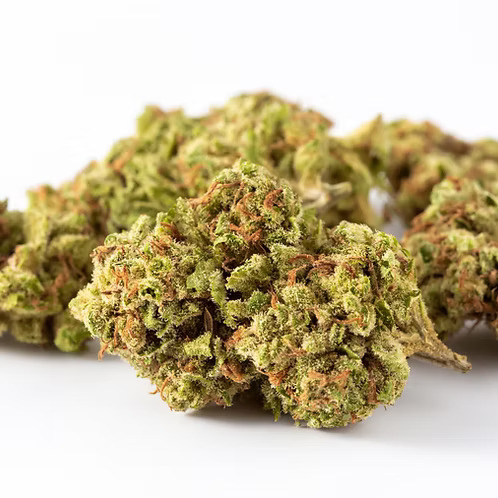

The hemp market is moving fast. Brands, retailers, and product manufacturers want quality supply without losing control of costs. That is where wholesale economics steps in. When you explore hemp product wholesale, you quickly notice something important. Bulk purchasing changes pricing, production planning, and margins. Understanding how the supply chain works helps you protect profits while keeping products consistent and scalable.
Why Does Buying Hemp in Bulk Change the Economics?
When you work with hemp product wholesale, the cost structure looks very different from retail sourcing. Instead of paying per unit, you negotiate pricing based on volume, processing capacity, and long term supply agreements.
Think about it this way. A single CBD brand ordering 500 units pays a higher cost per product than a distributor ordering 20,000 units. Larger purchase volumes reduce packaging costs, extraction costs, and lab testing expenses.
For B2B buyers, this scale directly shapes profitability. The more efficiently you source cannabinoids, tinctures, or gummies, the easier it becomes to control pricing across your product catalog.
How Do Economies of Scale Work in the Hemp Industry?
Economies of scale play a central role in cannabinoid manufacturing. Hemp cultivation, extraction, and product formulation involve several fixed costs. Equipment, compliance testing, and processing facilities require major upfront investment.
When production increases, those costs spread across thousands of units instead of hundreds. The cost per gram of CBD isolate or distillate drops. Manufacturing partners can run longer production batches, which reduces downtime and operational waste. For CBD brands, this translates into predictable supply and stable margins. It also allows companies to launch larger product lines without constantly renegotiating pricing.
Where Do Wholesalers Actually Create Their Profit Margins?
Many people assume wholesalers simply mark up bulk products. In reality, margins come from operational efficiency across the supply chain.
First, strong sourcing relationships matter. Reliable hemp farms provide consistent cannabinoid biomass, which stabilizes raw material costs. Next comes processing efficiency. Modern extraction facilities use optimized CO2 or ethanol systems that maximize cannabinoid yield.
Finally, logistics plays a quiet but powerful role. Streamlined packaging, warehousing, and distribution reduce overhead. Each step trims costs slightly. Over thousands of shipments, those small efficiencies shape overall profitability.
How Does Supply Chain Efficiency Protect Your Brand?
A smooth supply chain protects more than margins. It also protects your brand reputation. Hemp products move through multiple stages before reaching store shelves. Cultivation, extraction, formulation, testing, packaging, and shipping must stay coordinated. When you work with experienced bulk suppliers, production timelines become predictable. Certificates of analysis arrive on time. Inventory planning becomes easier. Retail partners avoid stock shortages.
That reliability is why many CBD companies prefer integrated suppliers who provide raw materials, finished goods, and manufacturing support in one place.
What Should B2B Buyers Watch Before Placing Large Orders?
Bulk sourcing sounds simple, but smart buyers check several details before scaling orders. Lab testing always comes first. Every batch should include third party certificates verifying cannabinoid potency and contaminant screening. Next comes regulatory alignment. Hemp products must meet federal and state compliance guidelines. Clear documentation protects both the buyer and the distributor.
Finally, evaluate manufacturing capacity. A supplier may offer great pricing today, but can they maintain production if your demand doubles next quarter? Supply stability matters just as much as price.
Why Do Private Label Partnerships Improve Margin Control?
Private label manufacturing is another powerful tool for B2B buyers. Instead of building an entire production facility, brands can partner with established cannabinoid manufacturers. These partners handle formulation, packaging, compliance testing, and large scale production. The brand focuses on marketing, retail expansion, and customer relationships.
This model shortens the time needed to launch new products. It also lowers operational pressure on smaller CBD companies that want to scale without massive infrastructure investment.
How Does Online Wholesale Sourcing Shape the Modern Hemp Market?
Digital sourcing platforms have changed how companies find suppliers. Today, many brands buy hemp products online while evaluating verified manufacturing partners across the wholesale hemp products USA network.
Online procurement improves transparency. Buyers can review lab reports, product catalogs, and bulk pricing before initiating large contracts. It also helps startups enter the market faster, because they can compare multiple suppliers without lengthy sourcing cycles.
For wholesalers, this digital shift creates stronger competition and pushes companies to maintain consistent product quality.
Can Smart Supply Planning Turn Hemp Wholesale into a Growth Engine?
Yes, it can. The real power of wholesale hemp sourcing appears when companies treat procurement as a strategic system rather than a one time purchase. When your supply chain runs smoothly, you gain control over pricing, inventory, and product launches. You also gain flexibility to test new formulations or expand into additional retail markets.
For CBD brands and distributors, strong wholesale relationships often become the foundation of long term growth.
Conclusion
The economics of hemp wholesale go far beyond bulk purchasing. Profit margins grow through efficient sourcing, reliable manufacturing, and coordinated logistics. When you understand how cultivation, extraction, and distribution connect, every order becomes part of a larger strategy. For CBD brands and product manufacturers, a strong wholesale framework turns supply management into a powerful engine for steady growth.