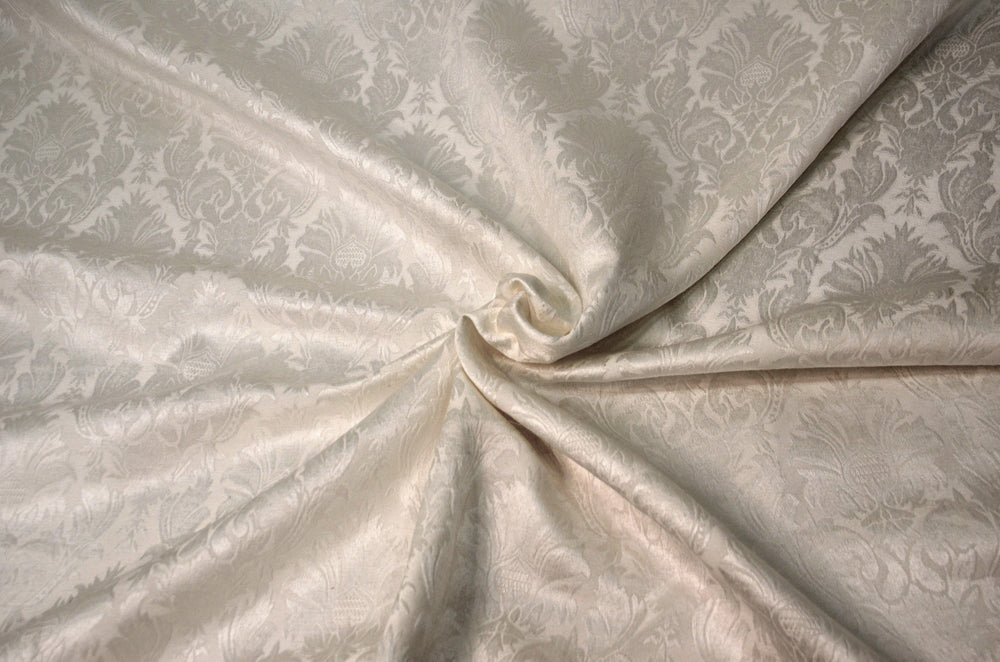

Some fabrics don’t just fade into the background. They carry stories, texture, and a certain charm that keeps them relevant decade after decade. That’s exactly the case with damask textile. It has this quiet luxury that never tries too hard, yet always stands out.
Designers keep coming back to it, not out of habit, but because it offers something special. From its intricate weave to its rich history, there’s a lot going on beneath the surface. So, what makes damask fabric by the yard such a timeless favorite?
Let’s take a closer look.
What Makes Damask Textile Different from Other Fabrics?
At first glance, damask textile might look like just another patterned fabric. But give it a second look and you’ll notice something interesting. The pattern isn’t printed or embroidered. It’s actually woven right into the fabric.
This is where things get fascinating. The design appears through the contrast of light and shadow. Depending on how the fabric catches the light, the pattern seems to shift. It’s subtle, yet eye-catching.
Because of this technique, the fabric feels smooth and rich without being overly flashy. It speaks in a softer tone, which is exactly why designers love it.
How Does the Reversible Pattern Add to Its Appeal?
One of the standout features of damask textile is its reversible pattern. Flip it over, and you’ll see the same design, just with the background and motif colors swapped.
That’s not just a cool trick. It actually adds versatility. Designers can play around with both sides of the fabric, depending on the look they want.
For example, one side might feel more dramatic, while the other looks more subtle. This gives more room for creativity, especially when working with damask fabric by the yard for custom projects.
It’s like getting two design options in one piece of fabric.
What Role Does Jacquard Weaving Play in Damask Fabric?
The magic behind damask textile comes from the jacquard weaving technique. This method uses a special loom that controls each thread individually. Sounds technical, but the result is what really matters.
Because of this weaving style, designers can create highly detailed and intricate patterns. Floral motifs, scrolls, and even geometric designs come to life with precision.
Unlike simpler weaves, jacquard allows patterns to be built into the structure of the fabric. That means they won’t fade or peel over time.
So, when someone chooses damask fabric by the yard, they’re not just buying fabric. They’re investing in craftsmanship.
Why Is Damask Textile Considered a Symbol of Luxury?
There’s a reason damask textile has long been associated with luxury. Its roots go back centuries, where it was often made using silk and reserved for royalty and the elite.
Back then, owning damask wasn’t just about style. It was a status symbol. It showed wealth, taste, and attention to detail.
Even today, that sense of elegance still sticks around. While modern versions may use cotton, linen, or blends, the overall feel remains refined.
Designers often turn to damask fabric by the yard when they want to create something that feels elevated without being over-the-top.
How Do Designers Use Vintage Damask in Modern Spaces?
You might think damask textile belongs only in traditional settings, but that’s not the case anymore. Designers have found creative ways to bring it into modern interiors and fashion.
In home décor, it shows up in upholstery, drapes, and even statement cushions. Pair it with neutral tones, and it adds depth without overwhelming the space.
In fashion, it’s used for jackets, skirts, and evening wear. The structured look of the fabric helps garments hold their shape while still looking elegant.
What’s interesting is how well it blends with contemporary styles. A vintage-inspired pattern can look surprisingly fresh when styled the right way.
Is Damask Fabric by the Yard a Practical Choice?
Beauty aside, damask fabric by the yard is also quite practical.
First, it’s durable. The weaving technique makes it strong enough for regular use, especially in home furnishings.
Second, it holds its shape well. That’s a big plus for upholstery and structured clothing.
And then there’s maintenance. While some delicate versions may need extra care, many modern damask fabrics are easier to clean than you’d expect.
So, it’s not just about looks. It actually works well in everyday settings too.
Why Does Vintage Damask Feel So Timeless?
Trends change fast, but damask textile seems to stay relevant. Why is that?
Part of it comes down to its design. The patterns are detailed, but not overwhelming. They have a balanced look that doesn’t feel outdated.
Another reason is its adaptability. Whether used in classic or modern designs, it manages to fit right in.
There’s also an emotional aspect. Vintage damask often carries a sense of nostalgia. It reminds people of heritage, craftsmanship, and a slower, more thoughtful approach to design.
That combination of beauty and meaning keeps it from going out of style.
How Can You Style Damask Without Overdoing It?
Using damask fabric by the yard can feel a bit intimidating at first. The patterns are detailed, so it’s easy to go overboard. But a few simple tips can help.
Start small. Use it as an accent rather than covering everything in it.
Pair it with solid colors. This helps balance the look and keeps the focus on the fabric.
Mix old with new. Combine vintage damask with modern elements for a fresh feel.
And most importantly, trust your instinct. Sometimes, a single well-placed piece can do more than an entire room full of patterns.
Final Thoughts
Damask textile continues to capture attention for all the right reasons. Its reversible patterns, intricate jacquard weaving, and rich history make it more than just a fabric.
Designers appreciate its ability to add depth, elegance, and character without feeling forced. Meanwhile, the versatility of damask fabric by the yard opens up endless possibilities for both fashion and interiors.
It’s one of those materials that proves good design never really goes out of style.