
Maintaining good oral hygiene is essential for a healthy smile and overall well-being. While brushing and flossing every day help keep your teeth clean, they cannot completely remove hardened plaque and tartar.This is where professional
teeth cleaning and scaling in Navi Mumbai becomes important. Many people often confuse routine teeth cleaning with deep scaling, assuming both treatments are the same.
However, they serve different purposes and are recommended based on the condition of your gums and teeth.
If you are unsure about which treatment you need, understanding the difference between routine cleaning and deep scaling can help you make an informed decision and protect your oral health.
What Is Teeth Cleaning?
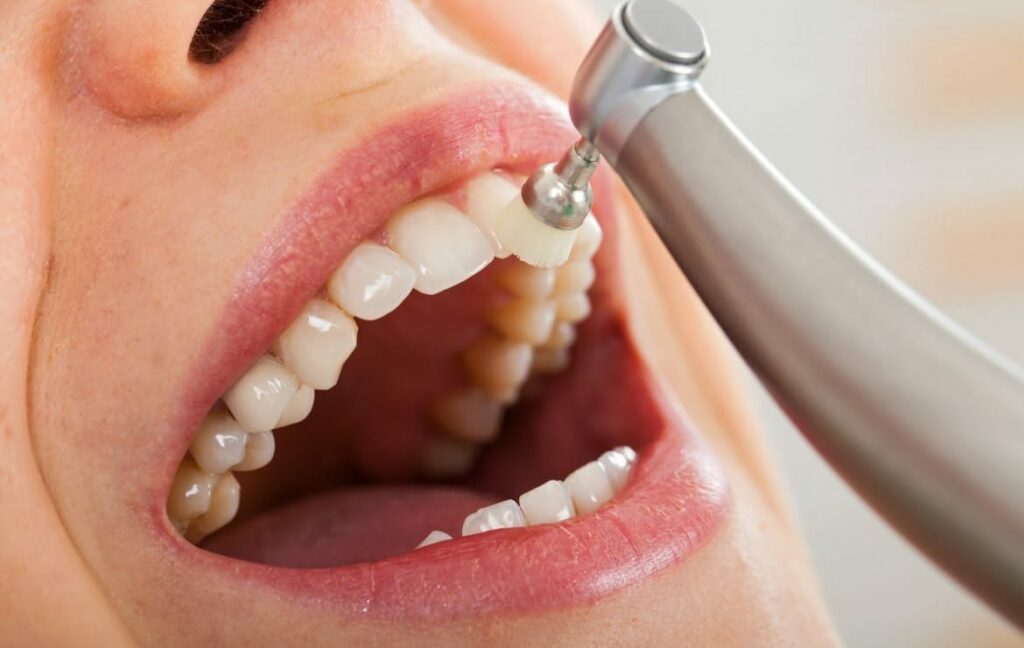
Professional teeth cleaning is a preventive dental procedure performed to remove plaque, tartar, and surface stains from the teeth. Even with excellent brushing habits, certain areas of the mouth are difficult to clean thoroughly, allowing plaque to build up over time.
During a routine cleaning, the dentist or dental hygienist uses specialized instruments to gently remove deposits from the surface of the teeth and around the gum line. The teeth are then polished to create a smooth surface that helps reduce future plaque accumulation.
Routine cleaning is generally recommended every six months, although some patients may require more frequent visits depending on their oral health.
What Is Deep Scaling?
Deep scaling, also known as scaling and root planing, is a more advanced treatment designed for patients with gum disease. Unlike routine cleaning, deep scaling removes plaque, tartar, and bacteria from below the gum line where regular cleaning cannot reach.
The procedure also smooths the tooth roots, making it harder for bacteria to attach and allowing the gums to heal and reattach to the teeth.
Dentists usually recommend deep scaling when patients show signs of periodontal disease, such as:
- Bleeding gums
- Swollen or tender gums
- Persistent bad breath
- Gum recession
- Deep gum pockets
- Loose teeth
Ignoring these symptoms can lead to progressive gum disease and eventual tooth loss.
Routine Cleaning vs. Deep Scaling
Although both procedures improve oral health, they differ in several important ways.
Routine Teeth Cleaning
- Removes plaque and tartar above the gum line
- Preventive treatment
- Suitable for healthy gums
- Usually completed in one appointment
- Minimal discomfort
Deep Scaling
- Removes deposits above and below the gum line
- Treats gum disease
- Cleans infected gum pockets
- May require multiple appointments
- Local anesthesia may be used for patient comfort
Choosing the right treatment depends on a professional dental examination.
Signs You May Need Deep Scaling
Many patients delay treatment because gum disease often develops without significant pain. However, early warning signs should never be ignored.
You may require deep scaling if you experience:
- Bleeding while brushing or flossing
- Red, swollen, or inflamed gums
- Persistent bad breath
- Sensitivity near the gums
- Loose teeth
- Gum recession
- Visible tartar deposits
A timely dental evaluation can prevent minor gum issues from becoming serious periodontal problems.
Benefits of Professional Teeth Cleaning and Scaling
Choosing professional teeth cleaning and scaling offers several long-term benefits for your oral health.
Helps Prevent Gum Disease
Professional cleaning removes harmful bacteria before they cause inflammation and infection.
Reduces Bad Breath
Persistent bad breath is often caused by plaque buildup and bacteria hiding below the gum line. Cleaning and scaling eliminate these deposits.
Protects Teeth from Decay
Removing plaque reduces the risk of cavities and protects your natural teeth.
Improves Gum Health
Healthy gums provide strong support for your teeth and reduce the risk of tooth loss.
Enhances Your Smile
Professional polishing removes many surface stains caused by tea, coffee, and certain foods, leaving your smile brighter and cleaner.
What Happens During the Procedure?
Your dentist first examines your gums and teeth to determine whether routine cleaning or deep scaling is required.
For routine cleaning:
- Plaque and tartar are removed.
- Teeth are polished.
- Oral hygiene advice is provided.
For deep scaling:
- Local anesthesia may be used.
- Tartar and bacteria are removed from below the gums.
- Tooth roots are smoothed.
- Follow-up appointments may be scheduled to monitor healing.
The exact treatment depends on the severity of gum disease.
How to Maintain Healthy Teeth After Cleaning
Professional treatment is only one part of maintaining healthy teeth. Daily oral care plays an equally important role.
To maintain healthy gums:
- Brush twice daily using fluoride toothpaste.
- Floss every day.
- Use an antibacterial mouthwash if recommended.
- Avoid tobacco products.
- Limit sugary foods and beverages.
- Visit your dentist regularly for preventive check-ups.
Regular maintenance reduces the likelihood of needing extensive periodontal treatment in the future.
If you are looking for a trusted dental clinic in Navi Mumbai, choosing a practice that focuses on preventive care and personalized treatment can help maintain your oral health for years to come.
Consulting an experienced dentist near Navi Mumbai ensures that any signs of gum disease are detected early and treated effectively.
You can also explore our related services:
- Dental Checkup in Navi Mumbai
- Gum Disease Treatment
- Professional Teeth Whitening
- Root Canal Treatment
Conclusion
Professional teeth cleaning and scaling in Navi Mumbai is one of the most effective ways to maintain healthy teeth and gums. While routine cleaning is ideal for preventing dental problems, deep scaling is essential for treating gum disease before it progresses.
Understanding the difference between these procedures helps you seek the right treatment at the right time.
Scheduling regular dental visits, maintaining proper oral hygiene, and addressing early symptoms can significantly reduce the risk of serious oral health issues.
Whether you need preventive cleaning or advanced gum care, timely professional treatment helps preserve your smile and overall health.
Frequently Asked Questions (FAQs)
1. Is teeth cleaning and scaling painful?
Routine teeth cleaning is generally painless. Deep scaling may cause mild discomfort, but local anesthesia is often used to ensure a comfortable experience.
2. How often should I get professional teeth cleaning?
Most people should have professional cleaning every six months. Your dentist may recommend more frequent visits if you have gum disease or excessive plaque buildup.
3. How do I know if I need deep scaling?
If you have bleeding gums, swollen gums, persistent bad breath, or gum recession, your dentist may recommend deep scaling after a thorough examination.
4. Can scaling damage my teeth?
No. Professional scaling safely removes plaque and tartar without harming healthy tooth structure when performed by a qualified dental professional.
5. How long does deep scaling take?
The treatment usually takes one or two appointments, depending on the severity of gum disease and the number of areas being treated.
6. Can teeth cleaning whiten my teeth?
Professional cleaning removes surface stains and makes teeth appear brighter, but it does not change the natural shade of your teeth. Teeth whitening treatments are required for significant whitening.