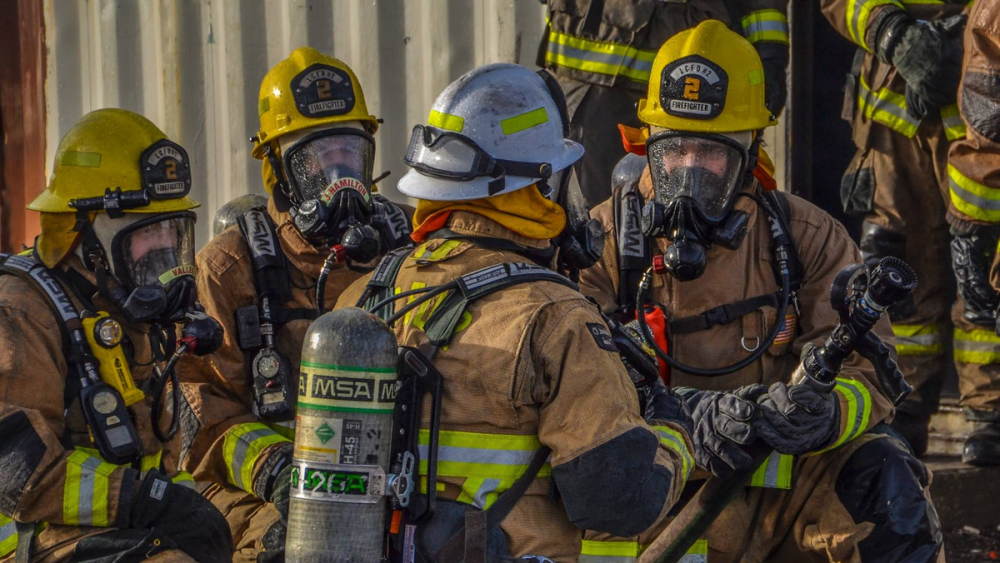

Fire departments rely on dedicated safety leadership to maintain controlled, structured, and secure emergency operations during high-risk incidents. Strong safety oversight improves firefighter awareness while ensuring tactical decisions align with real-time hazard conditions on scene. Many professionals build their expertise through an incident safety officer pathway because it develops essential skills for monitoring risks, guiding operational safety, and supporting command decisions during complex emergencies.
The Growing Importance of Safety Leadership in Fire Operations
Modern fireground environments continue evolving due to advanced building materials, unpredictable fire behavior, and expanding urban infrastructure. Safety officers play a central role by observing operational conditions and identifying risks before they escalate into critical hazards. Their presence ensures firefighters operate within established safety parameters while maintaining effective tactical progress. Command teams rely on safety officers for real-time updates that support informed decision-making. Strong safety leadership reduces confusion during fast-moving incidents. Communities benefit when emergency operations maintain structured safety oversight at all times.
Core Responsibilities of an Incident Safety Officer
Incident safety officers manage a wide range of responsibilities that directly support firefighter protection during emergency operations. They continuously evaluate environmental conditions such as smoke movement, heat intensity, and structural stability. Officers also monitor crew behavior to ensure compliance with established safety procedures and operational guidelines. Communication with command staff remains essential for reporting hazards and recommending tactical adjustments. Safety officers also track equipment performance to ensure reliable operation under demanding conditions. Their responsibilities ensure a balanced focus between tactical success and personnel safety.
Risk Monitoring and Operational Awareness
Risk monitoring represents a continuous process that helps safety officers maintain awareness of evolving fireground conditions. Officers assess building integrity, fire progression, and environmental hazards throughout the incident timeline. They also evaluate crew positioning to ensure firefighters remain within safe operational zones. Situational awareness improves when officers combine observation with communication from command staff. Experience allows safety officers to anticipate risks before they develop into critical issues. Strong risk monitoring enhances operational safety and efficiency.
Communication Between Safety Officers and Command Structure
Clear communication ensures coordination between safety officers and incident command during emergency operations. Safety officers provide real-time updates on hazards, crew safety, and environmental changes. Command teams rely on this information to adjust strategies and maintain operational control. Structured radio communication improves message clarity and reduces misunderstandings during high-pressure situations. Safety officers also communicate directly with crew leaders when immediate hazards arise. Effective communication strengthens coordination across all operational levels.
Technology Enhancing Safety Operations
Modern technology significantly improves the effectiveness of incident safety officers during emergency response operations. Thermal imaging devices help identify hidden heat sources and structural weaknesses. Digital mapping systems provide detailed layouts of buildings and hazard zones. Communication platforms enable real-time data sharing between field units and command staff. Wearable monitoring devices track firefighter location and physical conditions during operations. Technology integration increases accuracy and supports faster decision-making in dynamic environments.
Scenario-Based Training for Safety Development
Scenario-based training prepares safety officers for real-world fireground conditions through controlled simulation exercises. Training scenarios often include structure fires, hazardous material incidents, and multi-agency operations. Officers practice hazard identification and risk evaluation under realistic pressure conditions. These exercises improve decision-making skills during rapidly changing emergencies. Team coordination strengthens as officers collaborate with crews and command staff during simulations. Scenario training enhances operational confidence and situational awareness.
Decision-Making in High-Risk Environments
Safety officers must make rapid and accurate decisions during unpredictable emergency situations. Training programs teach officers how to evaluate risks, environmental conditions, and tactical operations. Structured decision-making frameworks help guide responses during high-pressure incidents. Experience combined with training improves judgment and operational confidence. Officers also reassess decisions based on updated information from the fireground. Strong decision-making ensures safer and more effective operations.
Continuous Development in Fireground Safety Leadership
Ongoing education plays a critical role in maintaining effective safety leadership within fire departments. Training programs introduce updated procedures, technologies, and operational strategies regularly. Officers strengthen hazard recognition skills through continuous learning and practical application. Departments encourage professional development to maintain high safety standards. Continuous improvement ensures officers remain prepared for evolving fireground challenges. Lifelong learning supports stronger operational performance.
Simple Overview of Incident Safety Officer Focus Areas
| Focus Area | Key Responsibility | Operational Benefit |
|---|---|---|
| Risk Assessment | Hazard identification | Improved firefighter safety |
| Communication | Incident reporting | Better coordination |
| Technology Use | Data monitoring | Enhanced awareness |
| Scenario Training | Practical exercises | Real-world readiness |
Research Insights on Fireground Safety Practices
Recent studies highlight the importance of structured safety officer training in improving firefighter safety outcomes. Research shows that proactive hazard identification reduces operational risks significantly. Scenario-based learning improves decision-making under pressure during emergency incidents. Communication systems enhance coordination between safety officers and command teams. Continuous training contributes to improved situational awareness and operational efficiency. Evidence supports the expansion of formal safety officer education programs.
Career Development in Safety Officer Roles
Incident safety officer positions provide valuable career growth opportunities within fire service organizations. Many firefighters transition into safety roles after gaining operational experience. These positions involve leadership responsibilities and advanced hazard management skills. Career pathways include training, command support, and emergency planning roles. Departments value officers with strong safety expertise and field knowledge. Professional development strengthens long-term fire service careers.
Flexible Learning Through Online Education
Modern firefighters often balance demanding schedules with professional development goals and training requirements. Flexible programs allow learners to continue education without interrupting operational duties. Many professionals choose an incident safety officer online course because it provides structured learning designed for working firefighters. Online education supports consistent skill development while improving accessibility across departments.
Frequently Asked Questions
What does an incident safety officer do?
An incident safety officer monitors fireground conditions and ensures firefighter safety during emergency operations. They identify hazards and communicate risks to command teams.
Why is safety officer training important?
Safety officer training improves hazard recognition, communication, and decision-making during emergency incidents. It strengthens operational safety and coordination.
Who should become an incident safety officer?
Experienced firefighters interested in leadership and safety management roles should pursue this position. It requires strong awareness and operational knowledge.
Are online safety officer courses effective?
Online courses provide structured learning and flexibility for working firefighters. Many include practical scenarios and leadership development modules.
Strengthening Fireground Safety Through Education
Incident safety officer training continues to improve firefighter protection, operational coordination, and emergency response effectiveness. Structured education builds strong leadership and hazard recognition skills across fire departments. Continuous learning supports safer operations and improved decision-making during emergencies. Safety leadership education ultimately enhances both firefighter safety and community protection.