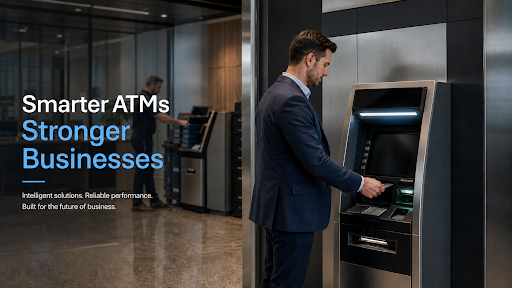

The ATM industry continues to offer opportunities for entrepreneurs seeking a business model that generates recurring income while serving a practical customer need. Although digital payments have become increasingly popular, millions of consumers still rely on cash for everyday purchases, making ATMs an important part of the financial ecosystem. Success in this industry depends on careful planning, selecting profitable locations, understanding operational requirements, and maintaining reliable ATM performance.
For individuals interested in starting an ATM machine business, understanding how the industry works is the first step toward building a sustainable operation. From securing business locations to managing cash replenishment and ensuring compliance with financial regulations, every stage plays a role in long-term profitability. Industry experts emphasize that success depends more on strategic placement, reliable processing, and operational management than simply owning ATM machines.
Understanding the ATM Business Model
An ATM business generates revenue primarily through transaction surcharge fees paid by customers using the machine. Depending on the operating model, businesses may also receive interchange income and negotiate revenue-sharing agreements with property owners.
Entrepreneurs starting ATM machine business should understand the key components involved:
- ATM machine ownership
- Payment processing services
- Cash management
- Business location agreements
- Machine maintenance
- Regulatory compliance
- Transaction monitoring
Each element contributes to the overall efficiency and profitability of the business.
Create a Business Plan
A detailed business plan provides direction before investing in equipment or securing locations.
An effective plan should include:
- Startup budget
- Target market
- Revenue projections
- Location strategy
- Cash management procedures
- Marketing approach
- Operational expenses
Businesses that begin with realistic financial planning are better prepared to manage long-term growth and unexpected operational costs.
Choose High-Traffic Locations
Location is one of the most important factors influencing ATM profitability.
Entrepreneurs starting an ATM machine business should prioritize locations where customers frequently need access to cash.
Examples include:
- Convenience stores
- Grocery stores
- Shopping centers
- Hotels
- Restaurants
- Bars
- Entertainment venues
- Tourist attractions
Higher transaction volume generally leads to greater revenue potential while improving customer accessibility. Research consistently identifies location quality as one of the strongest drivers of ATM business success.
Understand Equipment Requirements
Selecting reliable ATM equipment is essential for maintaining customer satisfaction and minimizing downtime.
Important features include:
- EMV chip compatibility
- Contactless payment support
- Secure cash vault
- Anti-skimming protection
- Remote monitoring
- Receipt printer
- User-friendly interface
Reliable equipment reduces maintenance issues while improving transaction efficiency.
Secure Payment Processing
Every ATM requires a processing network that connects transactions to financial institutions for authorization.
When starting ATM machine business, entrepreneurs should evaluate processing providers based on:
- Network reliability
- Transaction fees
- Customer support
- Reporting tools
- Security features
- Compliance standards
A dependable processing partner helps ensure smooth and secure transaction handling.
Manage Cash Efficiently
Cash management is a critical responsibility for ATM operators.
Effective cash management includes:
- Monitoring cash levels
- Scheduling replenishments
- Forecasting transaction demand
- Maintaining accurate records
- Protecting cash during transportation
Well-managed cash operations reduce service interruptions and improve customer satisfaction.
Maintain Security and Compliance
ATM businesses handle sensitive financial transactions and must prioritize security.
Essential security measures include:
- PIN encryption
- End-to-end transaction encryption
- Anti-skimming technology
- Software updates
- Routine security inspections
- Compliance with financial regulations
Strong security practices protect both operators and customers while reducing fraud risks.
Monitor Performance Regularly
Business owners starting an ATM machine business should continuously evaluate machine performance to identify opportunities for improvement.
Important performance indicators include:
- Daily transaction volume
- Machine uptime
- Cash replenishment frequency
- Maintenance costs
- Customer usage patterns
- Revenue generated
Regular monitoring allows businesses to make informed operational decisions and improve profitability over time.
Common Mistakes to Avoid
Many first-time ATM operators face avoidable challenges that affect long-term success.
Common mistakes include:
- Choosing low-traffic locations
- Underestimating operating expenses
- Delaying maintenance
- Ignoring security updates
- Poor cash forecasting
- Selecting unreliable processing partners
Avoiding these issues helps build a more stable and efficient ATM business.
Future Opportunities in the ATM Industry
Although payment technology continues to evolve, ATM services are also advancing through innovations such as cash recyclers, remote diagnostics, predictive maintenance, and enhanced fraud detection. These developments help improve operational efficiency while supporting customer demand for reliable cash access. Recent industry trends also show continued investment in smarter ATM infrastructure despite changes in payment behavior.
Conclusion
Building a successful ATM business requires more than installing machines in convenient locations. Entrepreneurs must carefully plan their operations, select high-traffic sites, maintain secure processing systems, and provide reliable customer service to achieve long-term success. For entrepreneurs who consider buy ATM machine options, evaluating equipment quality, processing services, and location potential is essential to building a profitable and scalable ATM business. With the right strategy, ongoing maintenance, and effective cash management, ATM ownership can become a sustainable business opportunity.