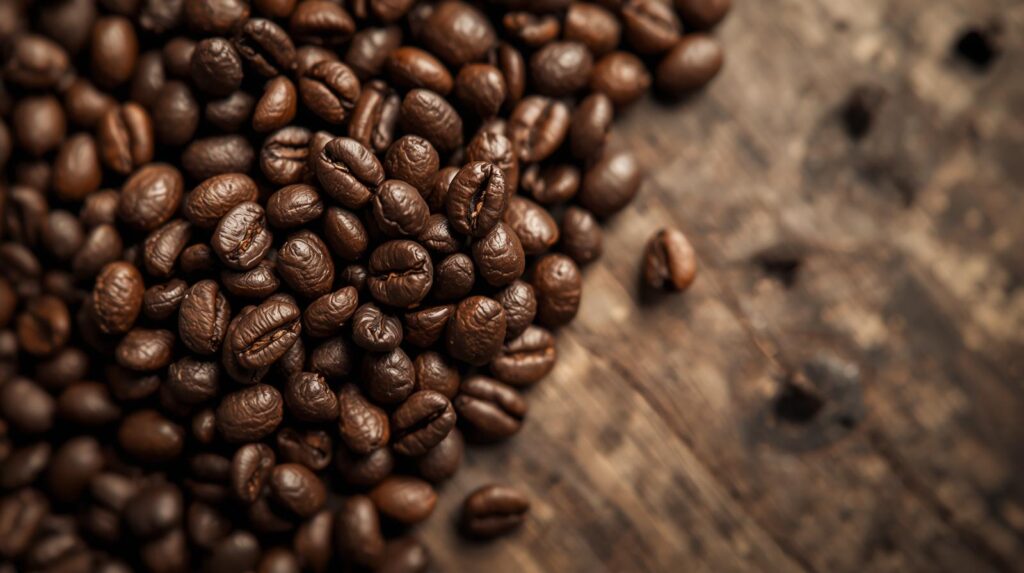

Specialty coffee beans have transformed the way people experience coffee. Unlike ordinary commercial coffee, specialty coffee focuses on quality, sustainability, and unique flavor profiles. Coffee enthusiasts and professional baristas alike prefer specialty coffee because it offers a richer and more refined taste. From careful cultivation to precise roasting, every step in the process is designed to deliver the best possible cup.
What Are Specialty Coffee Beans?
Specialty coffee beans are high-quality coffee beans that score 80 points or higher on a 100-point scale according to coffee grading standards. These beans are carefully grown in ideal climates, harvested at the right time, and processed with great attention to detail. Because of these strict standards, specialty coffee offers superior flavor, aroma, and consistency.
Unlike mass-produced coffee, specialty coffee focuses on traceability. This means the origin of the beans is known, often down to the specific farm or region where the coffee was grown. This transparency helps ensure quality and ethical sourcing.
Where Specialty Coffee Beans Come From
Specialty coffee beans are typically grown in regions known as the “Coffee Belt,” which lies between the Tropics of Cancer and Capricorn. These regions provide the ideal climate, altitude, and soil conditions required for coffee cultivation.
Some of the most popular specialty coffee origins include:
-
Ethiopia: Known for floral aromas and fruity flavors.
-
Colombia: Offers balanced coffee with caramel sweetness and mild acidity.
-
Brazil: Famous for nutty, chocolatey flavor profiles.
-
Kenya: Produces bright, vibrant coffees with berry-like acidity.
-
Guatemala: Known for complex flavors with chocolate and spice notes.
Each region produces coffee with unique characteristics influenced by its terroir, which includes climate, altitude, and soil composition.
How Specialty Coffee Beans Are Processed
The processing method used after harvesting significantly affects the final taste of the coffee. The three main processing methods include:
1. Washed (Wet Process)
In this method, the coffee cherries are pulped and washed to remove the fruit before drying. Washed coffees are known for their clean and bright flavor profiles.
2. Natural (Dry Process)
Coffee cherries are dried with the fruit still attached to the bean. This process often produces sweeter coffees with fruity and wine-like flavors.
3. Honey Process
This method is a hybrid between washed and natural processing. Some of the fruit remains on the bean during drying, creating a balanced cup with sweetness and body.
Why Specialty Coffee Beans Taste Better
Specialty coffee beans are grown, harvested, and roasted with precision. Farmers carefully select ripe cherries, ensuring that only the best beans are processed. Roasters then develop roasting profiles that highlight the natural flavors of the beans rather than masking them.
As a result, specialty coffee often features complex flavor notes, such as:
-
Chocolate
-
Caramel
-
Citrus
-
Berry
-
Floral
-
Nutty
-
Spice
These flavors make specialty coffee far more enjoyable compared to standard commercial coffee, which is often roasted darker to hide defects.
The Role of Fresh Roasting
Fresh roasting plays a crucial role in preserving the flavor and aroma of specialty coffee beans. Coffee is best consumed within two to four weeks after roasting, as this is when the beans release their optimal flavors.
Specialty coffee roasters focus on small-batch roasting, allowing them to control temperature, timing, and airflow. This careful approach ensures consistency and highlights the unique characteristics of each coffee origin.
Best Brewing Methods for Specialty Coffee Beans
To fully enjoy the flavors of specialty coffee beans, choosing the right brewing method is important. Some popular brewing methods include:
Pour-Over:
Methods like V60 or Chemex provide a clean and delicate cup that highlights subtle flavors.
French Press:
This method produces a rich and full-bodied coffee because the oils remain in the brew.
Espresso:
Espresso machines extract concentrated coffee with intense flavors and crema.
AeroPress:
A versatile brewing method that produces smooth and balanced coffee quickly.
Using freshly ground beans and high-quality filtered water can greatly improve the final cup.
Sustainability and Ethical Sourcing
Another important aspect of specialty coffee is its focus on sustainability and ethical sourcing. Many specialty coffee brands work directly with farmers to ensure fair wages and environmentally responsible farming practices.
This direct trade relationship benefits both farmers and consumers. Farmers receive better compensation for their crops, while coffee drinkers enjoy high-quality beans grown with care.
Choosing the Right Specialty Coffee Beans
When buying specialty coffee beans, consider the following factors:
-
Origin: Different regions produce unique flavor profiles.
-
Roast Level: Light roasts highlight origin flavors, while medium roasts offer balance.
-
Processing Method: Washed, natural, or honey processes affect sweetness and acidity.
-
Freshness: Always check the roast date for maximum flavor.
Many specialty coffee roasters also include tasting notes on their packaging, helping consumers select coffee that matches their preferences.
Conclusion
Specialty coffee beans represent the highest standard in coffee quality. From careful cultivation and harvesting to expert roasting and brewing, every step is focused on delivering an exceptional coffee experience. With unique flavors, ethical sourcing, and fresh roasting, specialty coffee has become a favorite choice for coffee enthusiasts around the world.
Whether you enjoy a bright Ethiopian pour-over or a rich Brazilian espresso, specialty coffee beans offer a deeper appreciation of coffee’s incredible diversity and craftsmanship. For anyone looking to elevate their daily coffee routine, specialty coffee is truly worth exploring.