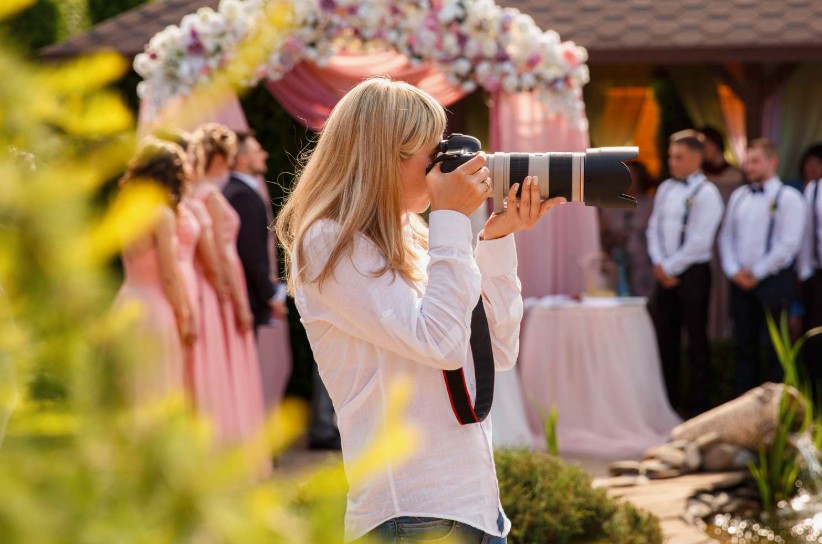

Special events photography is more than just taking pictures—it’s about preserving emotions, milestones, and unforgettable memories. Whether it’s a corporate gala, birthday celebration, wedding, concert, or charity fundraiser, professional photography ensures every important moment is captured beautifully. In today’s digital age, high-quality images are essential for personal keepsakes, marketing, and branding. Why special events photography matters, what makes it unique, and how to choose the right photographer for your occasion.
What Is Special Events Photography?
Special events photography focuses on documenting significant gatherings and occasions. Unlike studio photography, it requires adaptability, creativity, and quick thinking. Photographers must work with changing lighting conditions, spontaneous moments, and dynamic crowds. Their goal is to capture both posed portraits and candid shots that reflect the true atmosphere of the event.
Events can range from formal corporate conferences to lively birthday parties. Each event type requires a different approach. Corporate events demand professionalism and attention to branding, while social gatherings allow for more creative and emotional storytelling.
Why Special Events Photography Is Important
-
Preserves Memories
Events happen once, but photos keep them alive forever. Professional photography ensures those memories are captured in high resolution with artistic flair. -
Boosts Brand Image
For businesses, event photos are valuable marketing assets. They can be used on websites, social media, newsletters, and promotional materials to build credibility. -
Tells a Story
A skilled photographer doesn’t just snap pictures—they tell a story. From guests arriving to key highlights and emotional reactions, every image contributes to the event’s narrative. -
Professional Quality
Professionals use advanced equipment and editing tools to deliver crisp, well-composed images that stand out from smartphone photography.
Key Skills of a Special Events Photographer
-
Adaptability: Events are unpredictable. Photographers must adjust to lighting changes, weather conditions, and unexpected moments.
-
People Skills: Interacting politely with guests and organizers ensures comfort and cooperation.
-
Attention to Detail: Capturing décor, food, signage, and special touches adds depth to the photo collection.
-
Timing: Knowing when to click the shutter makes all the difference—especially during speeches, performances, and emotional moments.
Types of Special Events Photography
-
Corporate events (conferences, seminars, product launches)
-
Weddings and engagement parties
-
Birthdays and anniversaries
-
Concerts and festivals
-
Charity events and fundraisers
-
Award ceremonies
Each event has its own rhythm and energy, requiring a tailored photography style.
How to Choose the Right Photographer
-
Review Portfolio
Look for experience with similar events. Check image quality, lighting, and storytelling style. -
Check Reviews and Testimonials
Client feedback offers insight into reliability and professionalism. -
Discuss Your Expectations
Share your vision, must-have shots, and schedule to avoid misunderstandings. -
Ask About Equipment and Backup Plans
Professionals should have backup gear to handle technical issues. -
Clarify Pricing and Deliverables
Understand what’s included—edited photos, digital albums, turnaround time, and rights to use images.
Tips for a Successful Photography Experience
-
Create a shot list for key moments
-
Schedule group photos in advance
-
Ensure good lighting when possible
-
Introduce the photographer to key guests
-
Allow candid moments to happen naturally
Good communication and planning lead to better results.
Trends in Special Events Photography
Modern event photography has evolved. Some popular trends include:
-
Candid storytelling: Natural, unposed moments
-
Drone photography: Aerial views for large events
-
Instant social media sharing: Live uploads during events
-
Creative lighting effects: Using ambient light for mood
-
Short highlight videos: Perfect for promotions
These trends add excitement and enhance the visual impact of your event coverage.
FAQs
Q1: How far in advance should I book a special events photographer?
It’s best to book at least 4–8 weeks in advance, especially during peak seasons like wedding months or holidays.
Q2: How many photos will I receive after the event?
This depends on the event duration and package chosen. On average, clients receive 50–100 edited photos per hour.
Q3: Do photographers provide edited images?
Yes, professional photographers edit photos for color correction, lighting, and minor retouching.
Q4: Can I request specific shots?
Absolutely. Share your shot list with the photographer before the event.
Q5: How long does it take to receive photos?
Delivery usually takes 1–3 weeks, depending on workload and editing requirements.
Conclusion
A Wedding Photoshoot plays a crucial role in preserving memories and enhancing brand presence. A professional photographer brings experience, creativity, and technical expertise to capture every meaningful moment. Whether it’s a corporate function or a personal celebration, investing in quality photography ensures your event lives on through stunning visuals. By choosing the right photographer and planning ahead, you’ll receive timeless images that tell your story beautifully for years to come.