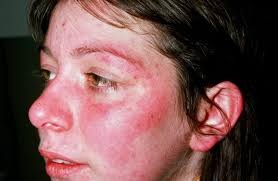

Many people experience skin rashes at some point in their lives. Often, these rashes are a reaction to allergens, irritants, or minor infections and can resolve with simple care. However, a rash can sometimes signal an underlying condition that requires more than standard allergy treatments. Recognising when a skin rash might be more than just an allergy can help you seek timely care, reduce discomfort, and prevent complications.
Common Causes of Skin Rashes
Most skin rashes are caused by allergies, irritants, or infections. Here are some common examples:
- Allergic Reactions
Allergic rashes can appear quickly after exposure to a substance. Common triggers include certain foods, medications, insect bites, or contact with plants like poison ivy. These rashes often appear red, itchy, and sometimes raised. - Irritant Contact Dermatitis
This type of rash develops when skin comes into contact with harsh chemicals, detergents, or frequent handwashing. Unlike allergic reactions, irritant rashes may not appear immediately but develop over time. - Infections
Viral, bacterial, or fungal infections can cause rashes. Chickenpox, measles, impetigo, and ringworm are examples that require prompt attention. Rashes caused by infections may spread quickly and are often accompanied by other symptoms such as fever, fatigue, or pain.
Signs That a Rash Requires Medical Attention
While most rashes are harmless, some signs indicate a more serious problem:
- Persistent or spreading rash that does not improve with home care.
- Severe itching or pain that affects daily life.
- Rash accompanied by fever, fatigue, or joint pain, which may indicate an infection or autoimmune condition.
- Changes in the skin, such as blisters, ulceration, or unusual colour changes.
- Patterned rashes, such as ring-shaped lesions or clusters of bumps, which can signal specific conditions like Granuloma Annulare Natural Treatment.
Paying attention to these signs allows you to seek professional help promptly. A dermatologist can evaluate the rash, perform tests if needed, and recommend appropriate treatment.
Skin Conditions That Mimic Allergies
Some rashes look like allergic reactions but have different causes. Understanding these conditions helps you identify when a rash might be more than just an allergy.
1. Eczema (Atopic Dermatitis)
Eczema often causes dry, itchy patches, commonly on the hands, arms, and behind the knees. Unlike a simple allergic reaction, eczema can persist for months or years and may flare up with environmental triggers, stress, or skin irritants.
Management Tips:
- Moisturise frequently with gentle, fragrance-free creams.
- Avoid harsh soaps and detergents.
- Use prescribed topical treatments when necessary.
2. Psoriasis
Psoriasis appears as red, scaly patches, often on the elbows, knees, and scalp. It results from an overactive immune response rather than an allergy. Psoriasis can vary in severity and may require prescription medications or lifestyle adjustments.
Management Tips:
- Keep the skin moisturised.
- Use medicated creams as recommended by a dermatologist.
- Light therapy can help in moderate to severe cases.
3. Granuloma Annulare
Granuloma annulare is a condition that produces small, ring-shaped bumps on the skin, often on the hands, feet, elbows, or knees. It may appear without clear triggers and usually does not cause pain or itching.
While its exact cause is unknown, some cases are linked to immune system activity. People interested in non-pharmaceutical approaches often explore Herbal Supplements for Granuloma Annulare or other Granuloma Annulare Natural Treatment methods to support skin health.
Identifying Red Flags
Knowing the warning signs of serious skin conditions ensures you do not delay care. Red flags include:
- Rapidly spreading rash with blistering or open sores.
- Rash with systemic symptoms, such as fever, headache, or joint swelling.
- Rash that recurs frequently without a clear cause.
- Skin changes in colour or texture, particularly if spots darken or lighten suddenly.
If any of these signs appear, contact a healthcare professional immediately. Early intervention improves outcomes and prevents complications.
Diagnostic Steps for Persistent Rashes
Doctors often start with a physical examination and patient history to determine potential causes. Additional diagnostic steps may include:
- Skin biopsy – a small sample of skin is taken for laboratory analysis to identify unusual patterns, infections, or immune system activity.
- Blood tests – can reveal infections, autoimmune conditions, or nutrient deficiencies that affect skin health.
- Allergy testing – identifies specific allergens that may trigger rashes.
- Patch testing – evaluates delayed allergic reactions to chemicals or cosmetics.
These diagnostic tools help pinpoint whether a rash is an allergy or a symptom of an underlying condition.
Treatment Approaches for Non-Allergic Rashes
Treatment depends on the underlying cause. Options include:
1. Topical Treatments
- Steroid creams reduce inflammation and redness.
- Moisturisers and barrier creams protect sensitive skin.
- Antifungal creams target fungal infections.
2. Oral Medications
- Antihistamines can relieve itching but do not treat the underlying cause if it is non-allergic.
- Antibiotics treat bacterial infections.
- Systemic medications may be necessary for autoimmune conditions.
3. Lifestyle and Home Care
- Keep skin clean and dry.
- Avoid irritants, including harsh soaps and scented products.
- Wear breathable fabrics to reduce friction and sweating.
4. Natural and Supplement Options
Some patients explore complementary methods to support skin health. Options may include:
- Herbal Supplements for Granuloma Annulare, which can help reduce inflammation and promote skin healing.
- Granuloma Annulare Natural Treatment options, including herbal remedies, gentle topical applications, and dietary adjustments.
- Best Vitamins and Supplements Products Online UK, such as vitamin D, vitamin E, or omega-3 supplements, which may support skin integrity and immune function.
While these options are not substitutes for medical care, they may be helpful when used alongside standard treatments. Always discuss supplements with a healthcare provider before starting.
When a Rash Signals a Systemic Condition
Some rashes may indicate systemic illnesses rather than a simple skin problem. Examples include:
- Autoimmune diseases such as lupus or rheumatoid arthritis, which may cause rashes alongside joint pain or fatigue.
- Liver or kidney disorders, which can manifest as changes in skin colour or persistent itching.
- Blood disorders, occasionally visible through unusual bruising or purplish rashes.
Recognising these connections allows early intervention and can prevent serious complications.
Preventing Skin Problems
Preventing rashes that are more than just allergies involves general skin care and lifestyle practices:
- Maintain regular skin hygiene with mild cleansers.
- Apply moisturisers daily, especially in dry or cold weather.
- Use sun protection to avoid skin damage.
- Keep nails short and clean to prevent irritation and infection.
- Monitor new medications or foods for potential reactions.
These steps reduce the likelihood of rashes becoming persistent or complicated.
When to Seek Help
If a rash shows any of the warning signs discussed, do not delay professional care. Seeking help is particularly important when:
- The rash is widespread or spreading rapidly.
- The rash is accompanied by fever, pain, or joint swelling.
- Standard allergy treatments do not relieve symptoms.
- You notice unusual skin changes such as ulcers, colour shifts, or thickened patches.
Prompt consultation with a GP or dermatologist can identify the cause, guide treatment, and offer reassurance.
Supporting Skin Health Holistically
In addition to medical care, supporting skin health through diet, lifestyle, and supplements can improve outcomes:
- Balanced diet – foods rich in vitamins A, C, D, and E help maintain skin integrity.
- Hydration – adequate water intake keeps the skin supple and resilient.
- Stress management – stress can worsen inflammatory skin conditions.
- Supplements – some patients find benefit from herbal options and vitamins. Look for Best Vitamins and Supplements Products Online UK to find reputable sources.
For conditions like Granuloma Annulare Natural Treatment, combining these approaches with guidance from a healthcare provider offers a safe and supportive strategy.
Key Takeaways
Rashes are common, but not all are caused by allergies. Recognising warning signs, understanding possible underlying conditions, and seeking professional care are essential steps.
- Persistent, spreading, or painful rashes require medical evaluation.
- Skin conditions like eczema, psoriasis, and granuloma annulare can mimic allergic reactions.
- Lifestyle practices, dietary choices, and supplements may support skin health but should complement, not replace, medical treatment.
- Exploring Herbal Supplements for Granuloma Annulare or Granuloma Annulare Natural Treatment may be beneficial for some patients.
Listening to your body and consulting a healthcare professional ensures timely intervention, reduces discomfort, and promotes long-term skin health.
A skin rash may sometimes appear minor, but knowing when it might be more than just an allergy empowers you to act. Whether the cause is an infection, an autoimmune reaction, or another underlying condition, early recognition and proper care make a real difference.