
Understanding Side Load Waste Containers
Side load waste containers are an essential component of modern commercial and municipal waste management systems. Designed to work with automated side-loading collection trucks, these containers provide a safe, efficient, and cost-effective solution for collecting and transporting solid waste and recyclable materials. Their compatibility with automated equipment reduces manual handling, improves collection speed, and enhances workplace safety.
Businesses, apartment communities, schools, healthcare facilities, and municipalities commonly use side load waste containers because they offer dependable waste storage while supporting consistent collection schedules. Available in various sizes and configurations, these containers accommodate a wide range of waste volumes and operational needs.
Side load waste containers improve waste collection efficiency by combining durable construction with automated handling technology, making them an ideal choice for commercial and municipal applications.
What Are Side Load Waste Containers?
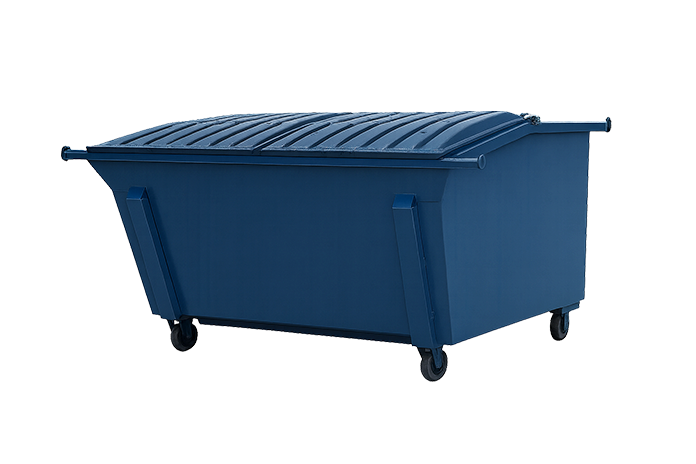
Side load waste containers are heavy-duty waste bins specifically designed to be emptied by automated side-loading garbage trucks. The collection vehicle uses a mechanical arm to lift, empty, and return the container without requiring the driver to leave the cab.
A typical side load waste management system includes:
- Durable waste container
- Automated side-loading truck
- Mechanical lifting arms
- Scheduled collection service
- Waste transportation
- Recycling and disposal processes
This automated approach helps streamline waste collection while minimizing labor requirements.
How Side Load Waste Containers Work
The collection process is straightforward and highly efficient.
- The collection truck aligns beside the container.
- A hydraulic side arm securely grips the container.
- The container is lifted and emptied into the truck.
- The container is returned to its original position.
- Waste is transported to an approved disposal or recycling facility.
This automated system allows collection crews to service more locations in less time while maintaining consistent service quality.
Benefits of Side Load Waste Containers
Increased Collection Efficiency
Automated collection significantly reduces the time required to empty each container.
Key advantages include:
- Faster collection routes
- Reduced labor requirements
- Consistent service schedules
- Improved operational efficiency
Automation allows waste management providers to optimize daily collection operations.
Improved Worker Safety
Manual waste handling can expose workers to injuries caused by heavy lifting and repetitive motions.
Side-loading systems help reduce:
- Lifting injuries
- Slip and fall accidents
- Exposure to waste materials
- Repetitive strain injuries
Keeping operators inside the collection vehicle also improves safety in high-traffic areas.
Reduced Operating Costs
Automation helps lower overall operational expenses by:
- Reducing labor demands
- Improving fuel efficiency through optimized routes
- Increasing daily collection capacity
- Minimizing equipment wear caused by inefficient operations
These savings benefit both waste service providers and customers.
Common Applications
Side load waste containers are used across numerous industries.
Commercial Properties
Businesses generate a variety of waste streams that require dependable collection.
Common commercial users include:
- Office buildings
- Shopping centers
- Restaurants
- Hotels
- Warehouses
- Manufacturing facilities
Routine collection helps maintain clean and professional environments.
Apartment Communities
Multi-family residential properties frequently rely on side load containers to manage daily household waste.
Benefits include:
- Centralized waste collection
- Cleaner common areas
- Convenient resident access
- Efficient servicing
Property managers appreciate the reliable collection schedules and reduced maintenance requirements.
Educational Facilities
Schools, colleges, and universities produce significant amounts of waste throughout the year.
Side load containers help manage:
- Cafeteria waste
- Paper recycling
- Classroom trash
- Event cleanup
- Grounds maintenance debris
Consistent waste collection contributes to a healthier learning environment.
Healthcare Facilities
Medical offices and healthcare campuses often use side load containers for non-hazardous waste generated through daily operations.
These containers help support organized waste handling while maintaining sanitary conditions.
Municipal Waste Collection
Cities and local governments frequently incorporate side load systems into residential and community waste collection programs.
Applications include:
- Neighborhood trash collection
- Public parks
- Government facilities
- Community recycling programs
Automation improves route efficiency while reducing operating costs.
Available Container Sizes
Side load waste containers are available in several capacities to match different waste volumes.
Common sizes include:
- Small containers for light commercial use
- Medium-capacity containers for offices and retail locations
- Large containers for apartment complexes
- High-capacity containers for industrial facilities
Selecting the appropriate size helps maximize collection efficiency while preventing overflow.
Materials Commonly Collected
Side load waste containers are suitable for many non-hazardous materials, including:
- General office waste
- Food packaging
- Cardboard
- Paper
- Plastic containers
- Aluminum cans
- Glass bottles
- Yard waste
- Non-hazardous commercial debris
Many organizations also use dedicated containers for recyclable materials to support sustainability initiatives.
Materials That Require Special Handling
Certain materials should not be placed in standard side load waste containers.
Examples include:
- Hazardous chemicals
- Paints and solvents
- Automotive fluids
- Medical waste
- Batteries
- Propane cylinders
- Asbestos-containing materials
- Electronic waste requiring specialized recycling
Proper disposal of these materials helps protect workers and the environment.
Following accepted waste guidelines helps maintain safe collection operations while supporting environmental compliance.
Side Load vs. Front Load vs. Rear Load Containers
Each waste container type serves different operational needs.
| Container Type | Best For | Collection Method |
|---|---|---|
| Side Load Waste Containers | Residential Communities, Commercial Properties | Automated Side Arm |
| Front Load Dumpsters | Businesses, Retail Centers, Restaurants | Front Fork Lift |
| Rear Load Dumpsters | Alleys, Small Businesses, Limited Access Areas | Rear Hopper Loading |
Choosing the right container depends on property layout, waste volume, and collection equipment.
Recycling with Side Load Containers
Many organizations pair side load waste containers with recycling programs.
Common recyclable materials include:
- Cardboard
- Office paper
- Plastic bottles
- Aluminum cans
- Steel containers
- Glass
Separate recycling containers help reduce landfill waste while supporting sustainability goals.
Factors to Consider When Choosing Side Load Waste Containers
Selecting the right container involves evaluating several factors.
Consider:
- Waste generation volume
- Available space
- Collection frequency
- Property layout
- Recycling needs
- Accessibility for collection trucks
- Business growth projections
Proper planning ensures efficient waste management over the long term.
Best Practices for Container Placement
Proper placement improves both safety and collection efficiency.
Recommended guidelines include:
- Place containers on level surfaces.
- Maintain adequate clearance for automated lifting arms.
- Keep access routes free of parked vehicles.
- Avoid overhead obstructions such as tree branches or utility lines.
- Position containers in convenient yet unobtrusive locations.
Correct placement reduces service interruptions and supports smooth collection operations.
Maintenance Tips
Although side load waste containers are designed for durability, regular maintenance helps extend their service life.
Routine maintenance includes:
- Inspecting lids and hinges
- Cleaning interior surfaces
- Checking for structural damage
- Keeping drainage areas clear
- Removing excess debris around the container
Well-maintained containers improve sanitation and enhance operational efficiency.
Environmental Benefits
Side load waste containers contribute to environmentally responsible waste management by supporting:
- Automated fuel-efficient collection routes
- Increased recycling participation
- Reduced litter around collection areas
- Proper waste containment
- Lower emissions through optimized operations
These benefits support cleaner communities and sustainable resource management.
Technology in Modern Side Load Waste Collection
Advancements in waste management technology continue to improve collection systems.
Innovations include:
- GPS route optimization
- Fleet management software
- Smart fill-level sensors
- RFID container tracking
- Automated dispatch systems
- Digital customer service platforms
These technologies improve operational efficiency while enhancing service reliability.
Choosing the Right Waste Management Partner
When selecting a waste collection provider, consider:
- A variety of container sizes
- Reliable collection schedules
- Flexible service plans
- Transparent pricing
- Strong customer support
- Recycling program options
- Commitment to environmental responsibility
A dependable provider helps ensure efficient waste collection while minimizing operational disruptions.
Future Trends in Side Load Waste Containers
The waste management industry continues to adopt innovative solutions that improve efficiency and sustainability.
Emerging trends include:
- Electric collection vehicles
- AI-assisted route planning
- Smart waste monitoring systems
- Expanded recycling initiatives
- Durable recyclable container materials
- Enhanced automation technologies
These developments will continue to improve waste collection while reducing environmental impact.
Why Side Load Waste Containers Are a Smart Investment
For businesses, municipalities, and property managers, side load waste containers offer an effective combination of convenience, safety, and efficiency. Their compatibility with automated collection equipment reduces labor requirements, improves collection speed, and supports cleaner properties.
Whether serving a retail center, apartment complex, healthcare facility, or municipal waste program, side load containers provide dependable waste management that adapts to changing operational needs.
Conclusion
Side load waste containers are a practical and efficient solution for commercial, residential, and municipal waste collection. Their automated handling capabilities, durable construction, and compatibility with modern collection vehicles make them an excellent choice for organizations seeking reliable waste management systems.
By selecting the appropriate container size, following proper placement and maintenance practices, and implementing recycling initiatives, businesses and communities can improve operational efficiency while supporting environmental sustainability. As waste collection technology continues to advance, side load waste containers will remain a key component of safe, efficient, and responsible waste management.