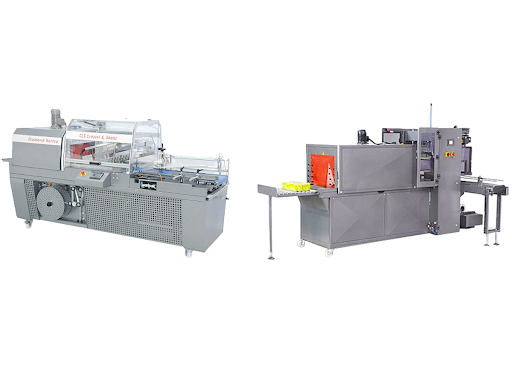

A wrapping machine is an essential asset for many packaging operations, ranging from food and beverage to manufacturing and e‑commerce. A shrink film wrapping machine helps protect and bundle products using heat-shrink film, ensuring goods are secure and shelf‑ready. Like any industrial equipment, proper maintenance is crucial to enhance performance, extend lifespan, and prevent costly downtime. This guide offers well‑researched, actionable tips to help operators maintain their shrink film wrapping machines effectively and ensure long‑term reliability.
Understand Your Machine’s Components
Before delving into routine maintenance, it’s important to understand the major components of a shrink film wrapping machine. Typical parts include the film dispenser, shrink tunnel, conveyor system, sealing jaws, heat elements, belts, motors, and control panels. Each of these parts serves a distinct function and may have individual maintenance requirements.
Referencing the manufacturer’s manual, such as those from Maripak USA, helps you identify critical maintenance points and set a structured schedule. Familiarising yourself with component layouts and functions will make inspections and servicing more efficient and accurate.
Follow Manufacturer‑Recommended Maintenance Schedules
Adhering to manufacturer guidelines is crucial for the long-term performance of a shrink film wrapping machine. Maripak USA provides manuals outlining inspection schedules, lubrication intervals, and calibration procedures. Routine tasks include cleaning, filter replacement, lubrication, and safety checks. Maintaining detailed service logs ensures accountability, tracks performance trends, and helps preempt potential issues. Ignoring scheduled maintenance can result in component wear, breakdowns, and costly downtime, highlighting the importance of consistent adherence to recommended procedures.
Keep the Machine Clean
Keeping a shrink film wrapping machine clean prevents dust, debris, and film fragments from interfering with operation. Regular cleaning of conveyor belts, rollers, sealing jaws, and heat tunnels ensures smooth movement and consistent sealing quality. Use soft brushes, compressed air, and approved cleaning agents, ensuring the machine is powered off and unplugged. Daily or weekly cleaning removes buildup before it causes mechanical or electrical issues, enhancing both safety and long-term machine reliability.
Inspect and Replace Worn Parts Promptly
Regular inspections of a shrink film wrapping machine help detect worn or damaged components early. Check belts, gears, sealing wires, and electrical connections for fraying, cracks, or looseness. Prompt replacement prevents further damage, ensures consistent packaging quality, and reduces downtime. Maintaining an inventory of common replacement parts like belts, fuses, and heating elements allows faster repairs. Proactive part management helps businesses maintain smooth operations and maximise the lifespan of the wrapping machine.
Lubricate Moving Parts Adequately
Proper lubrication is essential for a shrink film wrapping machine. Bearings, chains, rollers, and other moving parts require manufacturer-approved lubricants at specified intervals to reduce friction and wear. Correct lubrication eases motor strain, ensures smoother operation, and prolongs component life. Avoid over-lubrication, which can attract dust and debris. Cleaning excess lubricant immediately ensures optimal performance. Consistent and careful lubrication reduces the risk of breakdowns while maintaining efficiency in high-volume packaging environments.
Monitor Heat Elements and Temperature Controls
The heat tunnel and sealing components are critical in a shrink film wrapping machine. Regularly inspect heating coils and temperature controllers to ensure they operate within specified ranges. Fluctuations may indicate faulty sensors, wiring, or controllers, which can compromise shrink quality and waste film. Addressing issues early prevents product damage and maintains consistent sealing. Persistent irregularities should be handled by a qualified technician to avoid machine stress, downtime, and substandard packaging results.
Conclusion
A shrink film wrapping machine plays a vital role in modern packaging operations, and its long‑term performance depends heavily on consistent and thoughtful maintenance. By understanding machine components, following manufacturer‑recommended schedules, keeping equipment clean, monitoring wear, and training operators, businesses can avoid costly downtime and extend the useful life of their machinery. Regular inspections, adequate lubrication, and careful monitoring of heat elements contribute to consistent sealing quality and reliable throughput. Beyond basic upkeep, tracking service records and performance trends allows companies to plan proactive maintenance and make strategic equipment decisions. When paired with complementary peripheral equipment like conveyors, labelers, and inspection systems, a well‑maintained shrink film wrapping machine can deliver dependable, high‑quality packaging outcomes for years to come.