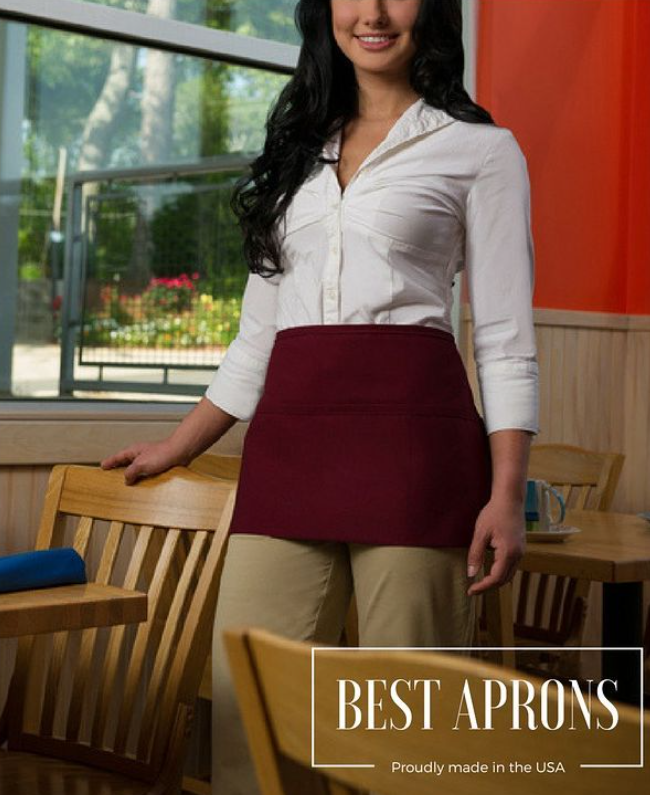

In fast-moving work environments where efficiency and accessibility matter, a waist apron stands out as a practical solution that balances comfort with utility. Unlike full-length aprons that can feel restrictive, waist aprons offer a streamlined alternative designed for people who need their tools, supplies, or essentials within easy reach without extra bulk. From hospitality and retail to crafts and home use, waist aprons quietly support productivity while maintaining a clean, professional appearance.
Understanding What a Waist Apron Really Is
A waist apron is a half-length apron worn around the waist, typically extending to mid-thigh or knee length. Its defining feature is its pocket-focused design. These pockets vary in size and configuration, allowing users to organize tools, utensils, notebooks, or personal items efficiently. The design eliminates unnecessary fabric while preserving coverage where it is most useful.
This simplicity is precisely what makes waist aprons appealing. They are not designed to shield the entire body but to provide functional support where hands naturally work. As a result, they allow greater freedom of movement, making them suitable for roles that require constant bending, walking, or quick transitions.
Why Waist Aprons Are Preferred in High-Activity Roles
One of the strongest advantages of waist aprons is mobility. In professions where speed and responsiveness are essential, bulky garments can slow down performance. Waist aprons sit securely at the hips, leaving the upper body unrestricted. This encourages better posture and reduces fatigue during long shifts.
Another key benefit is accessibility. Tools stored at waist level are easier to reach without interrupting workflow. This small ergonomic advantage can make a noticeable difference over time, especially in service-oriented roles where seconds matter.
Common Industries That Rely on Waist Aprons
Hospitality and Food Service
Servers, bartenders, and baristas frequently rely on waist aprons to carry order pads, pens, straws, bottle openers, and payment devices. The compact design keeps essentials organized without interfering with movement between tables or behind counters. Dark-colored waist aprons are especially popular in this industry due to their clean appearance and stain-masking qualities.
Retail and Customer Service
In retail environments, waist aprons support staff by holding scanners, tags, receipts, and small tools. Employees can assist customers without constantly returning to a workstation. This creates smoother interactions and improves overall efficiency on the sales floor.
Crafts, Workshops, and Creative Spaces
Artists, woodworkers, florists, and makers often choose waist aprons for their adaptability. Brushes, scissors, measuring tools, and small materials can be stored within arm’s reach. The lightweight structure makes it easier to focus on creative work without feeling weighed down.
Home and Personal Use
Waist aprons are also gaining popularity in home kitchens, gardening, and DIY projects. For people who prefer minimal coverage but maximum function, they offer a comfortable alternative to traditional aprons while still protecting clothing and keeping tools nearby.
Design Elements That Make Waist Aprons Effective
Pocket Configuration
The true value of a waist apron lies in its pockets. Multiple compartments of varying sizes help users organize items logically. Some designs include divided pockets for pens or tools, while others feature wide pouches for bulkier items.
Fabric Choice
Durability matters, especially in demanding environments. Cotton blends are breathable and comfortable, while canvas and denim provide extra strength for heavier tools. Water-resistant fabrics are also common in food and beverage settings.
Adjustability and Fit
A well-designed waist apron includes adjustable ties or straps to ensure a secure fit across different body types. This prevents shifting during movement and improves overall comfort during extended wear.
Waist Aprons and Professional Appearance
Function alone is not enough in many industries. Appearance plays an important role, particularly in customer-facing roles. Waist aprons offer a neat, understated look that complements uniforms without overpowering them. Their clean lines and minimal coverage help maintain a polished image while still serving a practical purpose.
Color coordination, stitching details, and fabric texture all contribute to how a waist apron fits into a brand’s visual identity. Many businesses choose aprons that align with their overall aesthetic to reinforce professionalism.
Sustainability and Long-Term Use
Reusable waist aprons contribute to more sustainable work practices. High-quality aprons reduce reliance on disposable alternatives such as paper pouches or single-use storage solutions. When properly cared for, a well-made waist apron can last for years, making it a cost-effective investment for both individuals and businesses.
Choosing durable materials and timeless designs further extends the lifespan of the apron, reducing waste and replacement costs over time.
Practical Benefits Beyond the Workplace
Waist aprons are not limited to professional settings. They are increasingly used for events, pop-up markets, workshops, and community activities. Their ease of use makes them suitable for temporary roles where quick setup and comfort are important.
They also appeal to people who value organization in everyday tasks. From hosting gatherings to managing home projects, waist aprons simplify small but frequent actions, allowing users to focus on the task rather than searching for tools.
The Growing Demand for Personalization
As waist aprons become more widely used, personalization has become an important consideration. Businesses and individuals alike are looking for aprons that reflect their identity, values, or brand. Custom colors, pocket layouts, and logo placements help transform a simple garment into a functional representation of purpose and style.
This shift highlights how utility products are no longer purely practical. They also communicate professionalism, creativity, and attention to detail.
Choosing the Right Waist Apron for Your Needs
Selecting the right waist apron depends on how it will be used. For fast-paced service roles, lightweight fabrics and simple pocket designs work best. For workshops or creative environments, sturdier materials and deeper pockets may be more suitable.
Comfort, durability, and organization should guide the decision-making process. When these elements come together, a waist apron becomes more than an accessory—it becomes a reliable tool that supports daily performance.
Final Thoughts on the Value of Waist Aprons
Waist aprons prove that effective design does not need to be complicated. Their popularity across industries reflects a growing preference for practical solutions that respect comfort, efficiency, and appearance. By focusing on what users actually need—mobility, accessibility, and durability—waist aprons continue to earn their place in both professional and personal spaces.
As customization and thoughtful design gain importance, the future of waist aprons lies in tailored solutions that align function with identity. This is where a well-designed custom apron truly makes a lasting difference.