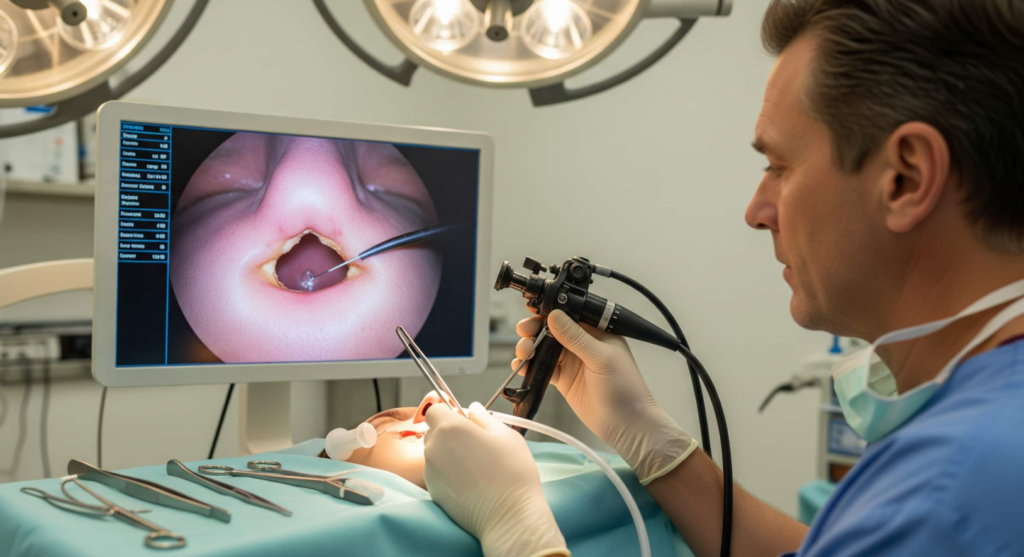

A hole in the nasal septum may sound minor at first, but it can lead to persistent discomfort and noticeable symptoms if left unaddressed. Understanding Septal perforation treatment is essential for anyone dealing with nasal dryness, crusting, or breathing issues. Whether the condition developed due to injury, prior surgery, or long-term irritation, knowing the available options can help individuals make informed decisions about their care and recovery.
What Is a Septal Perforation?
The nasal septum is the thin wall made of cartilage and bone that separates the two nostrils. When a hole forms in this structure, it is referred to as a septal perforation. The size of the perforation can vary, and symptoms often depend on its severity and underlying cause.
Some individuals may not notice any issues at first, especially if the perforation is small. However, as the condition progresses or if the opening enlarges, symptoms can become more bothersome.
Common Causes of Septal Perforation
There are several reasons why a septal perforation may develop. Identifying the root cause plays a key role in determining the most appropriate treatment plan.
- Previous nasal surgery: Procedures such as septoplasty or rhinoplasty can sometimes lead to perforations if healing is compromised.
- Trauma or injury: Accidents, nose picking, or repeated irritation can damage the septum.
- Chronic nasal sprays: Overuse of certain medications may dry out and weaken the tissue.
- Infections or inflammation: Conditions affecting the nasal lining can contribute to tissue breakdown.
- Substance exposure: Inhaling harmful substances, including certain chemicals, may damage the septum over time.
Each cause requires a slightly different approach when planning treatment, making proper evaluation essential.
Recognizing the Symptoms
Symptoms of septal perforation can range from mild inconvenience to significant discomfort. They may also worsen in dry or dusty environments.
- Frequent nasal crusting
- Nosebleeds
- Whistling sound while breathing
- Nasal congestion or blockage
- Dryness and irritation inside the nose
Larger perforations tend to cause more noticeable symptoms, while smaller ones may go unnoticed for longer periods.
Why Early Treatment Matters
Delaying treatment can lead to complications. Over time, the perforation may increase in size, making it more difficult to manage. Persistent irritation can also affect the surrounding tissue and lead to chronic discomfort.
Seeking timely medical attention helps prevent progression and allows for a broader range of treatment options, including less invasive methods.
Non-Surgical Approaches to Treatment
Not all septal perforations require surgery. In many cases, especially when symptoms are mild, non-surgical treatments can provide significant relief.
Nasal Hydration and Moisturization
Keeping the nasal passages moist is one of the simplest and most effective ways to manage symptoms. Saline sprays, gels, and humidifiers can reduce dryness and prevent crusting.
Regular hydration helps protect the delicate lining of the nose and minimizes irritation caused by airflow through the perforation.
Medicated Ointments
Doctors may recommend topical ointments to reduce inflammation and promote healing. These are particularly helpful when the perforation is associated with dryness or minor infections.
Consistent use can improve comfort and reduce the risk of further damage.
Septal Buttons
A septal button is a small, medical-grade device inserted into the perforation to close the hole temporarily. It acts as a barrier, preventing airflow from passing through the opening.
This option is suitable for individuals who are not ready for surgery or prefer a non-invasive solution. While it does not permanently fix the issue, it can significantly reduce symptoms.
Lifestyle Adjustments
Simple changes can make a noticeable difference in symptom management:
- Avoiding irritants such as smoke and dust
- Using a humidifier in dry climates
- Limiting the use of nasal sprays unless prescribed
- Practicing gentle nasal hygiene
These measures support overall nasal health and complement other treatments.
When Surgical Treatment Becomes Necessary
Surgery is often considered when non-surgical methods fail to provide adequate relief or when the perforation is large and causing significant symptoms.
The goal of surgical intervention is to close the hole and restore the normal function of the nasal septum.
Types of Surgical Techniques
Different surgical techniques are used depending on the size and location of the perforation.
Local Tissue Flaps
Surgeons may use nearby tissue to cover and close the perforation. This method works well for small to medium-sized openings.
Grafting Techniques
In cases where additional support is needed, grafts from other parts of the body, such as cartilage or connective tissue, may be used to reconstruct the septum.
Advanced Reconstruction
For larger perforations, more complex procedures may be required. These involve careful planning and expertise to ensure successful closure and long-term stability.
What to Expect During Recovery
Recovery varies depending on the type of treatment chosen. Non-surgical approaches typically require ongoing maintenance, while surgical procedures involve a healing period.
After surgery, patients may experience mild swelling, congestion, or discomfort. Proper post-operative care is essential for successful healing.
- Following the doctor’s instructions carefully
- Avoiding strenuous activities for a few weeks
- Keeping the nasal passages clean and moisturized
- Attending follow-up appointments
Healing time can range from a few weeks to a couple of months, depending on the complexity of the procedure.
Risks and Considerations
Like any medical condition, septal perforation treatment comes with certain considerations. Non-surgical methods may not provide a permanent solution, while surgical procedures carry risks such as infection, bleeding, or incomplete closure.
Choosing the right approach requires a thorough evaluation and a clear understanding of the potential outcomes. A personalized treatment plan ensures the best possible results.
Preventing Future Complications
Preventive care plays a vital role in maintaining nasal health after treatment.
- Avoid habits that may irritate the nose
- Use medications only as directed
- Protect the nose from injury
- Maintain proper hydration
Regular check-ups can help detect any changes early and prevent recurrence.
Making an Informed Decision
Selecting the appropriate treatment option depends on several factors, including the size of the perforation, severity of symptoms, and overall health. Some individuals may find relief through conservative methods, while others may benefit more from surgical intervention.
Consulting with a qualified specialist ensures that all options are carefully evaluated. Understanding the benefits and limitations of each approach allows patients to make confident decisions about their care.
Final Thoughts on Treatment Options
Managing a septal perforation requires a balanced approach that considers both symptom relief and long-term outcomes. While non-surgical methods can be effective for many individuals, surgery offers a more definitive solution in certain cases.
With advancements in medical techniques and personalized care plans, individuals now have access to a wide range of options tailored to their specific needs. Whether choosing conservative management or moving forward with a procedure, addressing the condition promptly can improve comfort and overall quality of life.
Ultimately, successful septal perforation repair depends on early diagnosis, proper treatment selection, and consistent follow-up care.