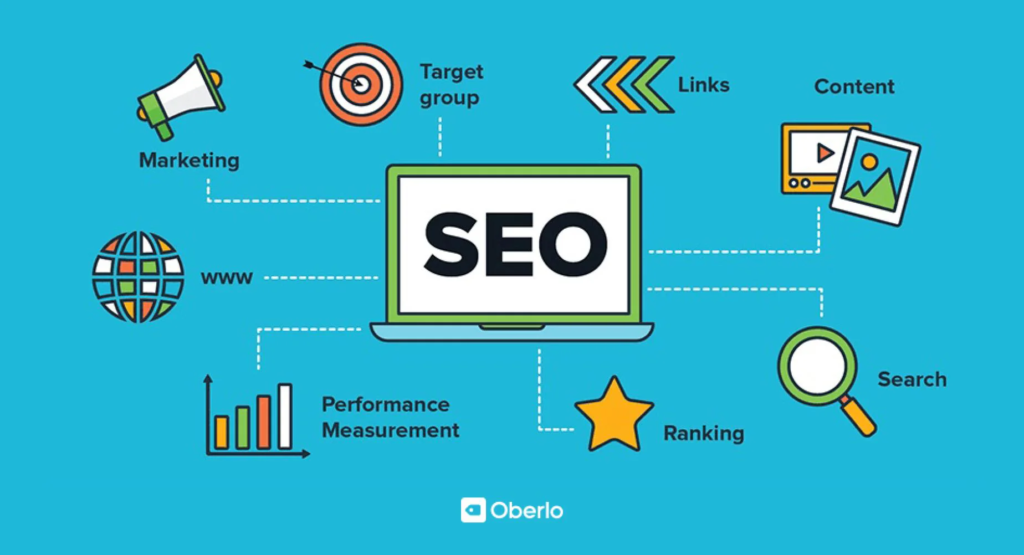

Most businesses treat marketing as an expense—something that costs money every month to keep results coming in. But some strategies don’t just spend money; they build value. Search Engine Optimization is one of those rare strategies that functions not as a cost, but as a long-term business asset.
When done right, SEO keeps delivering returns long after the initial work is completed.
SEO Is an Asset, Not a Campaign
Traditional marketing campaigns have an expiration date. Ads stop, promotions end, and visibility disappears. Search Engine Optimization works differently. Each optimized page, technical improvement, and content update adds lasting value to your website.
Over time, your site becomes stronger, more authoritative, and easier to discover. Instead of starting from zero every month, SEO builds momentum that compounds year after year.
That’s the definition of a true business asset.
Organic Visibility That Keeps Paying Back
Search Engine Optimization creates organic visibility—visibility you don’t have to pay for repeatedly. Once a page ranks well, it can continue attracting traffic without ongoing ad spend.
This steady flow of visitors provides predictable exposure and reduces dependence on paid channels. As competition increases and advertising costs rise, SEO protects your margins by delivering consistent traffic at a lower long-term cost.
SEO Strengthens Brand Authority
Visibility alone isn’t enough—credibility matters. Search Engine Optimization places your brand in trusted search results when users are actively seeking information or solutions.
Appearing consistently in top positions builds authority and familiarity. Over time, users recognize your brand as a reliable source, even before they click. This trust carries across other marketing channels and strengthens your overall brand presence.
Content Becomes a Growth Engine
With Search Engine Optimization, content isn’t disposable. Blog posts, guides, and service pages become permanent digital assets that work around the clock.
High-quality SEO content:
-
Ranks for multiple related searches
-
Attracts users at different stages of the buyer journey
-
Supports sales, branding, and customer education
Instead of short-term content bursts, SEO encourages building a content library that grows in value over time.
SEO Adapts as the Business Scales
As your business grows, Search Engine Optimization scales with it. New products, services, or locations can be supported by your existing SEO foundation.
A well-optimized website makes it easier to launch new pages, target new keywords, and enter new markets. SEO doesn’t limit growth—it enables it.
Stability During Market Changes
Markets shift. Algorithms update. Trends come and go. Businesses with weak foundations feel every change. Those with strong Search Engine Optimization are more resilient.
SEO built on quality, user experience, and trust is less vulnerable to sudden drops. This stability turns SEO into a protective asset that supports the business even during uncertainty.
SEO Delivers Measurable Long-Term Value
Unlike many branding efforts, Search Engine Optimization is measurable. Traffic growth, keyword visibility, engagement, and conversions all show clear progress over time.
This data helps businesses make smarter decisions, refine strategies, and invest confidently in future growth.
Final Thoughts
Search Engine Optimization is not just a marketing tactic—it’s a long-term business asset that grows stronger with consistency. It delivers visibility, trust, and stability that short-term strategies can’t match.
For businesses focused on lasting success, SEO isn’t an expense to manage. It’s an investment that keeps paying dividends.
Read More Read More Read More Read More Read More
Read More Read More Read More Read More Read More
Read More Read More Read More Read More Read More
Read More Read More Read More Read More Read More
Read More Read More Read More Read More Read More
Read More Read More Read More Read More Read More
Read More Read More Read More Read More Read More
Read More Read More Read More Read More Read More
Read More Read More Read More Read More Read More