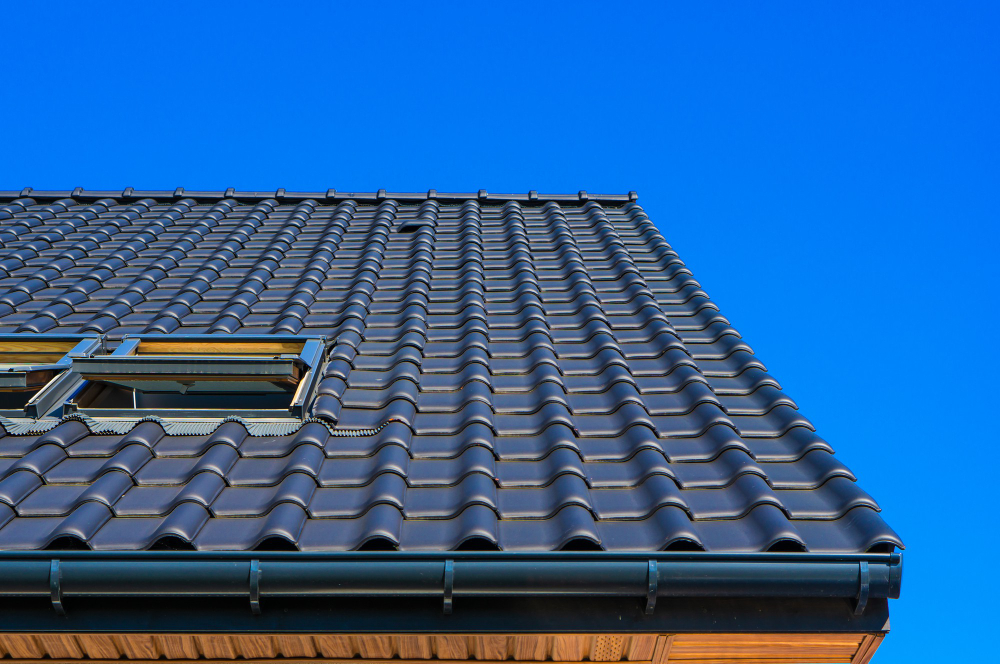

In today’s construction industry, efficiency, durability, and sustainability are top priorities. Traditional roofing materials usually fall short when it is about insulation, quick installation, and long-term performance. This is where sandwich roofing panels have emerged as a gamechanger. Combining strength, insulation, and aesthetics into a single product, these panels are increasingly used in industrial, commercial, and residential projects. Their unique design as well as versatile applications make them one of the most sought-after materials in modern architecture.
What Are Sandwich Roofing Panels?
Sandwich roofing panels are prefabricated materials made by bonding two outer metal sheets, usually steel or aluminum, with an insulating core. The core can be polyurethane foam (PUF), expanded polystyrene (EPS), rockwool, or glass wool. This layered structure resembles a sandwich, which is why it’s called a sandwich. The result is a roofing solution that offers structural strength, thermal efficiency, and weather resistance in a single product. Unlike conventional roofing sheets, sandwich panels are engineered to meet multiple needs simultaneously, making them both practical and costeffective.
Features and Benefits
One of the most significant advantages of sandwich roofing panels is their thermal insulation. The insulating core reduces heat transfer, keeping interiors cooler in summer and warmer in winter. This directly translates into energy savings, as less electricity is required for heating and cooling.
Another key benefit is their lightweight yet strong design. Despite being lighter than traditional materials, sandwich panels offer high loadbearing capacity, making them very suitable for large industrial structures. Their quick installation is also a major advantage. Since they are prefabricated, construction time is reduced significantly, lowering labour costs and project timelines.
Durability is another hallmark of sandwich roofing panels. They are resistant to corrosion, moisture, as well as pests, ensuring a long lifespan with minimal maintenance. Fire resistance is an added benefit, especially when rockwool or glass wool cores are used. Finally, their aesthetic appeal cannot be overlooked. Available in various colors, finishes, and profiles, they enhance the visual appeal of modern buildings.
Applications in Different Sectors
Sandwich roofing panels are versatile and widely used across industries. In industrial buildings, they are popularly installed in warehouses, factories, and cold storage units where insulation and durability are critical. In commercial spaces, shopping malls, office complexes, and exhibition centers benefit from their sleek design and energy efficiency.
Residential projects also make use of sandwich panels, particularly in modular homes, farmhouses, and terrace roofing. Their ability to provide insulation and weather resistance makes them ideal for modern housing solutions. Specialized structures such as clean rooms, prefab schools, railway shelters, and sports facilities also rely on sandwich roofing panels for their unique combination of strength and insulation.
Types of Sandwich Roofing Panels
The choice of core material determines the properties of the panel. PUF panels are lightweight and provide excellent thermal insulation, making them ideal for cold storage and industrial sheds. EPS panels are cost-effective and offer moderate insulation, suitable for affordable housing and site offices. Rockwool panels excel in fire resistance and soundproofing, making them perfect for industrial plants and fire sensitive areas. Glass wool panels provide both thermal and acoustic insulation, often used in clean rooms and commercial buildings.
This variety allows builders to select panels based on specific project requirements, ensuring optimal performance.
Advantages over Traditional Roofing
Compared to conventional roofing sheets, sandwich roofing panels offer several advantages. Their energy efficiency reduces electricity costs by minimizing heating and cooling needs. They require low maintenance, thanks to their durability and resistance to environmental factors. Many panels are ecofriendly, as they are recyclable and contribute to reducing carbon footprints.
Perhaps the most compelling advantage is cost savings. While the initial investment may be higher than traditional materials, the longterm benefits such as reduced energy bills, faster installation, and minimal maintenance make sandwich panels more economical in the long run.
Challenges and Considerations
Despite their many benefits, sandwich roofing panels are not without challenges. The initial cost can be higher compared to conventional roofing sheets, which may deter budget conscious projects. Prefabricated panels also come with customization limits, restricting design flexibility in certain architectural styles. Additionally, proper installation requires skilled labor to ensure effective sealing and insulation. Without expertise, the performance of the panels may be compromised.
Conclusion
Sandwich roofing panels represent a modern solution for efficient, durable, and sustainable construction. By combining insulation, strength, and aesthetics, they outperform traditional roofing materials in both functionality and long-term cost savings. Whether for industrial warehouses, commercial complexes, or residential projects, understanding sandwich roofing panels helps builders and homeowners make smarter choices for energy efficiency and structural reliability.
As construction trends continue to evolve, sandwich panels are set to play an even greater role in shaping the future of architecture. Their ability to deliver performance, sustainability, and style makes them an indispensable part of modern building design.