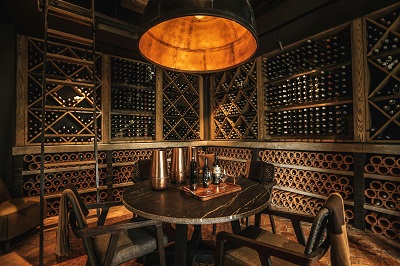

A thoughtfully planned restaurant wine cellar design can significantly enhance both operational efficiency and customer experience. As wine programs become increasingly important in the hospitality industry, restaurants are investing in dedicated wine storage spaces that combine functionality, aesthetics, and proper preservation.
Wine is often a high-value inventory asset for restaurants. Maintaining ideal storage conditions is essential for protecting quality and ensuring customers enjoy every bottle at its best. A professionally designed wine cellar provides stable temperature and humidity levels while making inventory management easier for staff.
The design process begins with understanding the restaurant’s wine program. Factors such as collection size, wine varieties, service style, and available space all influence the final layout. Restaurants with extensive wine lists may require large-capacity storage systems, while smaller venues often prioritize display-oriented designs that showcase premium selections.
Visibility plays a major role in modern restaurant wine cellar design. Glass-enclosed cellars, illuminated displays, and architectural wine walls can serve as focal points that attract customer attention and elevate the dining atmosphere. These features transform wine storage into a visual experience that reinforces the restaurant’s identity and enhances guest engagement.
Storage efficiency is equally important. Custom racking systems allow restaurants to organize wines by region, varietal, vintage, or price category. This organization simplifies inventory management and helps staff locate bottles quickly during service. Efficient layouts also maximize storage capacity without sacrificing accessibility.
Climate control systems are essential components of any restaurant wine cellar. Proper temperature regulation prevents spoilage, while humidity management protects cork integrity and wine quality. Advanced systems often include automated controls and remote monitoring features to maintain optimal conditions around the clock.
Materials and finishes contribute significantly to the overall aesthetic. Designers frequently use hardwoods, metal accents, stone features, and decorative lighting to create sophisticated environments that complement the restaurant’s interior design. These elements can help establish a premium atmosphere that appeals to wine enthusiasts.
A well-designed wine cellar can also support business growth. Restaurants with impressive wine storage facilities often attract customers seeking unique dining experiences, private events, and wine tastings. The cellar becomes both a practical storage solution and a valuable marketing asset.
As competition in the hospitality industry continues to increase, restaurants are looking for innovative ways to differentiate themselves. Investing in professional restaurant wine cellar design allows businesses to protect their wine inventory while creating memorable experiences that encourage repeat visits and customer loyalty.
For retailers specializing in wine sales, a professionally designed wine cellar for wine stores is essential for preserving product quality and enhancing customer confidence. Proper storage conditions help protect inventory while creating an attractive shopping environment that encourages sales.
Wine stores often carry a diverse selection of products from various regions, vintages, and producers. Managing this inventory requires organized storage systems that support both accessibility and preservation. A dedicated wine cellar provides the controlled environment needed to maintain optimal wine quality throughout the storage period.
Temperature consistency is one of the most critical aspects of wine storage. Fluctuations can negatively affect flavor, aroma, and aging potential. Professional wine cellars use specialized cooling systems to maintain stable conditions, ensuring customers receive products in excellent condition.
Humidity control is equally important. Proper humidity levels help prevent cork shrinkage and oxidation, preserving the integrity of bottled wines. By maintaining ideal environmental conditions, wine retailers can reduce product loss and protect valuable inventory investments.
Modern wine stores increasingly use cellar designs as part of their branding strategy. Attractive displays, premium materials, and strategic lighting can transform storage spaces into engaging retail features. Customers are often drawn to visually appealing wine displays that communicate quality, expertise, and professionalism.
Efficient organization improves both customer experience and operational productivity. Custom racking systems allow wines to be categorized by country, varietal, producer, or price point. This organization helps staff assist customers more effectively and simplifies inventory management processes.
Security is another important consideration for wine retailers. High-value collections may require access controls, surveillance systems, and secure storage areas. Professional wine cellar designers can integrate these features without compromising aesthetics or functionality.
Scalability also plays a role in successful retail wine storage. As businesses expand their product offerings, storage requirements often increase. Flexible cellar designs allow retailers to add capacity while maintaining organization and visual appeal.
Investing in a professional wine cellar demonstrates a commitment to quality and customer satisfaction. It protects inventory, enhances store presentation, and supports long-term business growth. For retailers looking to strengthen their market position and improve operational efficiency, a dedicated wine cellar for wine stores is a valuable asset.