
Racing safety equipment is an essential aspect of motorsports, designed to protect drivers and minimize the risks associated with high-speed competition. Whether on a professional track or during amateur events, safety gear plays a critical role in reducing injuries and saving lives. As racing technology advances, so does the quality and effectiveness of protective equipment, making it more reliable and accessible for drivers at all levels.
Importance of Racing Helmets
One of the most important pieces of racing safety equipment is the helmet. A high-quality racing helmet is engineered to protect the driver’s head from impact and fire hazards. Modern helmets are made from advanced materials such as carbon fiber and fiberglass composites, offering both strength and lightweight comfort. They are also designed with fire-resistant linings and enhanced ventilation systems, ensuring safety without compromising performance.
Fire-Resistant Racing Suits and Gear
Another vital component is the racing suit, typically made from fire-retardant materials like Nomex. These suits are specifically designed to protect drivers from extreme heat and flames in the event of a fire. Multi-layer suits provide increased protection while maintaining flexibility and comfort. Along with suits, gloves, shoes, and underwear made from similar fire-resistant materials add an extra layer of safety.
Harness Systems and Racing Seats
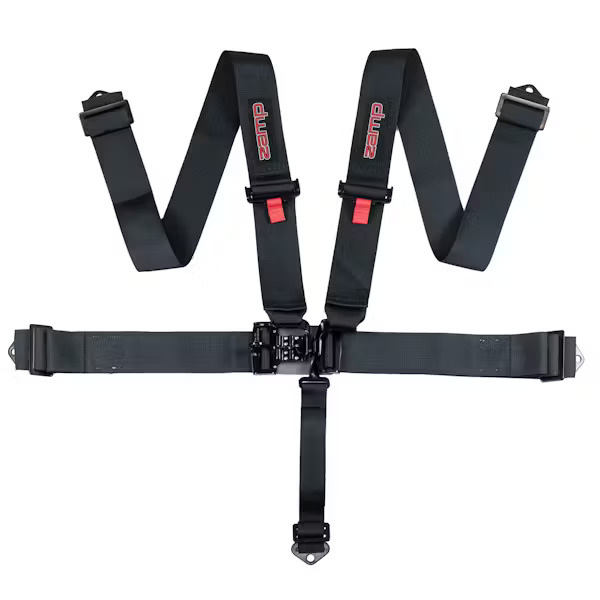
Harness systems are equally critical in racing environments. Unlike standard seat belts, racing harnesses are designed to secure the driver firmly in place, reducing movement during sudden stops or collisions. A properly installed five-point or six-point harness distributes force evenly across the body, minimizing the risk of injury. These harnesses work in conjunction with racing seats, which are designed to support the driver’s body and improve overall safety.
Head and Neck Restraint Systems
Head and neck restraint systems have become increasingly important in modern racing. These devices are designed to prevent severe neck injuries during high-impact crashes by limiting the movement of the head relative to the body. They are now widely used across various racing disciplines and have significantly improved driver safety standards.
Role of Roll Cages in Vehicle Safety
Roll cages are another key safety feature, particularly in cars used for competitive racing. A roll cage is a metal framework built into the vehicle to protect occupants during rollovers or crashes. It reinforces the structural integrity of the car and helps maintain a survival space for the driver. Combined with proper padding, roll cages greatly reduce the likelihood of serious injury.
Fire Suppression Systems
Fire suppression systems are also an essential part of racing safety. These systems are designed to quickly extinguish fires within the vehicle, providing crucial seconds for the driver to escape. Many racing organizations require onboard fire extinguishers or automatic fire suppression systems as part of their safety regulations.
Communication Equipment for Safety
In addition to personal gear and vehicle modifications, communication equipment plays a role in safety. Radios and intercom systems allow drivers to stay connected with their pit crew, ensuring quick responses to any issues on the track. Clear communication can prevent accidents and improve overall race management.
Maintenance and Inspection of Safety Gear
Regular inspection and maintenance of safety equipment are just as important as having the equipment itself. Worn-out or damaged gear can compromise safety and increase the risk of injury. Drivers and teams must ensure that all equipment meets current safety standards and is replaced when necessary.
Conclusion
Ultimately, racing safety equipment is not just about compliance with regulations—it is about protecting lives. Investing in high-quality gear and maintaining it properly can make a significant difference in the outcome of an accident. As motorsports continue to evolve, the focus on safety remains stronger than ever, ensuring that drivers can pursue their passion with confidence and protection.