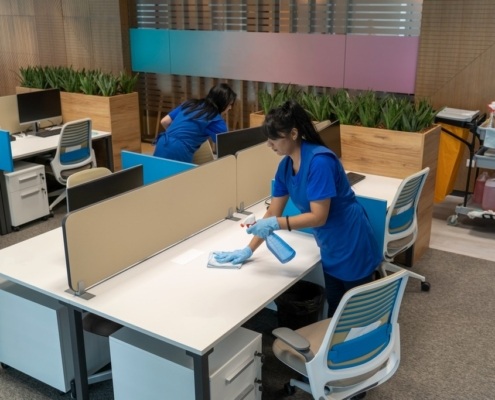

As an AV integration specialist, my job is to design and install the sophisticated technology that powers high-level corporate communication. Modern executive boardrooms are outfitted with incredibly sensitive equipment: seamless video walls, omnidirectional ceiling microphone arrays, and complex environmental control systems. Companies invest hundreds of thousands of dollars into this infrastructure to ensure flawless presentations and global teleconferencing. However, this massive investment is frequently jeopardized by the very people hired to maintain the room. Standard janitorial crews, armed with feather dusters and spray cleaners, are the natural enemies of delicate AV technology. Protecting these assets requires a complete paradigm shift, moving towards highly specialised corporate office cleaning NYC protocols that prioritize aggressive dust suppression and zero-disturbance procedures around sensitive electronics.
The Destructive Impact of Particulate Matter on AV Gear
To the naked eye, a thin layer of dust on a conference table is an aesthetic annoyance. To a high-definition projector or a sensitive cooling fan within an AV rack, that same dust is a highly destructive abrasive. Particulate matter is drawn into the venting of digital displays and processing units, insulating the internal components and causing rapid thermal overheating. This leads to dropped video signals, distorted audio, and premature hardware failure. Sweeping or traditional dry dusting is strictly forbidden in these environments, as it merely launches the dust into the air, guaranteeing it will settle into the equipment. Maintenance must be executed using advanced HEPA-filtered vacuums to safely capture and remove particulate matter from the room without ever agitating it into the breathable atmosphere.
Navigating the Perils of Liquid Cleaners and Screens
The most common, and often most expensive, maintenance error I witness is the improper cleaning of large-format video walls and touch-interactive displays. Standard glass cleaners contain ammonia or harsh solvents that instantly strip the specialized anti-glare and oleophobic coatings from these screens, permanently ruining the image quality. Furthermore, spraying any liquid directly onto a display risks moisture seeping into the ultra-thin bezels, short-circuiting the entire panel. A specialized technical cleaning crew understands that screens must only be treated with approved, pH-neutral optical cleaners applied to a highly specific, lint-free microfibre cloth—never directly to the glass. This meticulous approach preserves the visual fidelity of the displays and protects the massive capital investment they represent.
Executing Zero-Disturbance Protocols Around Microphones
Modern boardroom audio relies on highly sensitive microphone arrays, often flush-mounted into the conference table or discreetly suspended from the ceiling. These microphones are calibrated to pick up the nuanced frequencies of human speech. When untrained cleaning staff aggressively wipe down a conference table, they frequently snag the delicate microphone grilles or accidentally force cleaning chemicals into the acoustic mesh. This instantly degrades the audio quality, causing frustrating echoes or muffled sound during crucial executive calls. Maintenance crews operating in these rooms must be trained in strict zero-disturbance protocols. They must possess the spatial awareness to meticulously clean the expensive wood veneers of the table while completely avoiding any physical or chemical contact with the embedded audio technology.
Maintaining the Hidden Infrastructure: The AV Rack
While the screens and microphones are the visible elements, the true brain of the boardroom is the AV equipment rack, typically hidden in a credenza or an adjacent closet. This rack houses the amplifiers, video matrix switchers, and control processors that generate immense heat and require constant, unobstructed airflow to function. Over time, these enclosed spaces become massive dust traps. A comprehensive facility maintenance strategy must include the periodic, highly supervised cleaning of these critical infrastructure zones. This requires the use of specialized, non-conductive vacuums and anti-static tools to gently extract dust from the cooling vents and cable bundles, ensuring the thermal management of the system remains optimal and preventing catastrophic system crashes during important meetings.
Conclusion
The modern corporate boardroom is a highly sensitive technological environment, not merely a room with a large table. Allowing standard, untrained cleaning crews to operate within this space is a significant operational risk. By demanding rigorous dust suppression, specific optical cleaning techniques, and strict zero-disturbance protocols, facilities managers can protect their expensive AV investments, ensuring that executive communication remains flawless and uninterrupted.
Call to Action
Don’t let improper maintenance destroy your expensive boardroom technology. Secure your AV investments with highly specialized, tech-aware facility cleaning protocols designed for the modern enterprise.