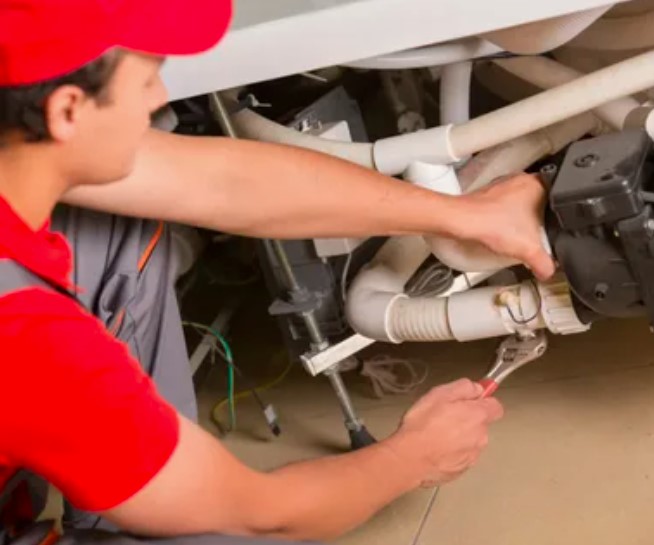

Installing plumbing fixtures is one of the most effective ways to improve the comfort, functionality, and value of a home. Whether you are upgrading a bathroom sink, replacing an outdated faucet, or installing a new showerhead, proper plumbing fixture installation ensures efficient water flow, prevents leaks, and extends the lifespan of your plumbing system.
Many homeowners attempt fixture installation as a DIY project, but understanding the basics can help avoid costly mistakes. In this guide, we’ll cover everything you need to know about plumbing fixture installation, including preparation, common fixture types, installation tips, and maintenance practices.
What Is Plumbing Fixture Installation?
Plumbing fixture installation refers to the process of fitting and connecting water-using devices within a plumbing system. These fixtures include sinks, faucets, toilets, bathtubs, showers, garbage disposals, and water filtration systems.
Each fixture must be correctly connected to both the water supply and drainage system to function efficiently. Poor installation can lead to leaks, water damage, reduced water pressure, and higher utility bills.
Common Types of Plumbing Fixtures
Understanding the different types of fixtures helps homeowners choose the best options for their needs.
1. Faucets
Faucets are among the most frequently replaced plumbing fixtures. Modern faucets come in various styles, including single-handle, double-handle, pull-down, and touchless designs. Proper faucet installation improves water efficiency and enhances kitchen or bathroom aesthetics.
2. Toilets
Toilet installation requires careful alignment with the drain flange and proper sealing to prevent leaks. Newer toilets often include water-saving technology that helps reduce monthly water consumption.
3. Sinks
Kitchen and bathroom sinks are available in several styles such as undermount, drop-in, pedestal, and vessel sinks. Correct sink installation ensures proper drainage and long-term durability.
4. Showerheads and Bathtubs
Upgrading showerheads and bathtubs can significantly improve comfort and water efficiency. Leak-free connections are essential to prevent moisture damage behind walls and floors.
5. Garbage Disposals
Garbage disposal installation involves both plumbing and electrical connections. Proper installation helps maintain smooth kitchen drainage and prevents clogging.
Steps for Successful Plumbing Fixture Installation
Gather the Necessary Tools
Before beginning any plumbing fixture installation project, gather the required tools and materials. Common tools include:
- Adjustable wrench
- Pipe wrench
- Plumber’s tape
- Screwdrivers
- Plunger
- Pipe sealant
- Bucket and towels
Having everything ready reduces delays during installation.
Turn Off the Water Supply
Always shut off the water supply before removing or installing any fixture. This prevents accidental flooding and water damage.
For sinks and toilets, local shut-off valves are usually located underneath or behind the fixture. If local valves are unavailable, turn off the main water supply to the home.
Remove the Old Fixture
Carefully disconnect the existing fixture from the plumbing lines. Remove any old caulk, sealant, or mounting hardware. Inspect the pipes for signs of corrosion or damage before proceeding with the new installation.
Install the New Fixture
Follow the manufacturer’s instructions closely during installation. Ensure all fittings are tight but avoid over-tightening, which can crack components or damage threads.
Apply plumber’s tape to threaded connections to prevent leaks. Align fixtures properly to maintain stability and appearance.
Test for Leaks
After installation, turn the water supply back on slowly and inspect all connections for leaks. Run water through the fixture and check drainage performance.
Address any drips or loose fittings immediately to avoid future plumbing problems.
Benefits of Professional Plumbing Fixture Installation
While some homeowners choose DIY installation, hiring a professional plumber offers several advantages.
Expertise and Accuracy
Professional plumbers understand local plumbing codes and industry best practices. They ensure fixtures are installed safely and correctly the first time.
Time Savings
Experienced plumbers complete installations more quickly and efficiently, minimizing disruption to your daily routine.
Reduced Risk of Damage
Improper installation can lead to water leaks, mold growth, and structural damage. Professional installation reduces these risks significantly.
Warranty Protection
Some fixture manufacturers require professional installation to maintain warranty coverage. Hiring a licensed plumber can help protect your investment.
Common Plumbing Fixture Installation Mistakes
Avoiding common mistakes can save time and money.
Incorrect Measurements
Failing to measure fixture dimensions properly can result in poor fit and alignment issues.
Overtightening Connections
Excessive force may crack porcelain fixtures or damage pipe threads, leading to leaks.
Ignoring Small Leaks
Even minor drips can waste water and cause long-term damage if left untreated.
Using Incompatible Parts
Always verify compatibility between fixtures, valves, and plumbing connections before installation.
Tips for Maintaining Plumbing Fixtures
Proper maintenance helps extend the life of your plumbing fixtures and prevents costly repairs.
- Clean fixtures regularly to prevent mineral buildup
- Inspect for leaks periodically
- Avoid harsh chemical drain cleaners
- Replace worn washers and seals promptly
- Monitor water pressure levels
Routine maintenance ensures optimal performance and water efficiency.
Choosing the Right Plumbing Fixtures
When selecting plumbing fixtures, consider the following factors:
Water Efficiency
Look for fixtures with WaterSense certification to reduce water usage without sacrificing performance.
Durability
Choose fixtures made from high-quality materials such as stainless steel, brass, or ceramic.
Design and Style
Modern plumbing fixtures come in a wide range of finishes and designs to complement any interior décor.
Budget
Balance quality and affordability by comparing features, warranties, and installation costs.
FAQs About Plumbing Fixture Installation
How long does plumbing fixture installation take?
Most basic fixture installations take between one and three hours, depending on the complexity of the project.
Can I install plumbing fixtures myself?
Simple fixtures like faucets and showerheads can often be installed by homeowners with basic tools. However, complex installations may require professional assistance.
How do I know if a fixture is leaking?
Signs of leaks include dripping water, water stains, mold growth, reduced water pressure, or increased water bills.
What is the average cost of plumbing fixture installation?
Costs vary based on the fixture type, labor rates, and installation complexity. Simple installations may cost less, while larger projects can be more expensive.
Why is professional installation important?
Professional plumbers help ensure proper installation, code compliance, and long-term reliability while reducing the risk of leaks and water damage.
Conclusion
Plumbing fixture installation plays a critical role in maintaining a safe, efficient, and comfortable home. Whether you are replacing an outdated faucet, upgrading a bathroom sink, or installing a modern toilet, proper installation ensures long-lasting performance and water efficiency. Although some projects can be handled independently, professional Furniture assembly service offers added reliability and peace of mind. By choosing quality fixtures, following correct installation practices, and performing regular maintenance, homeowners can enjoy improved functionality and avoid costly plumbing issues for years to come.