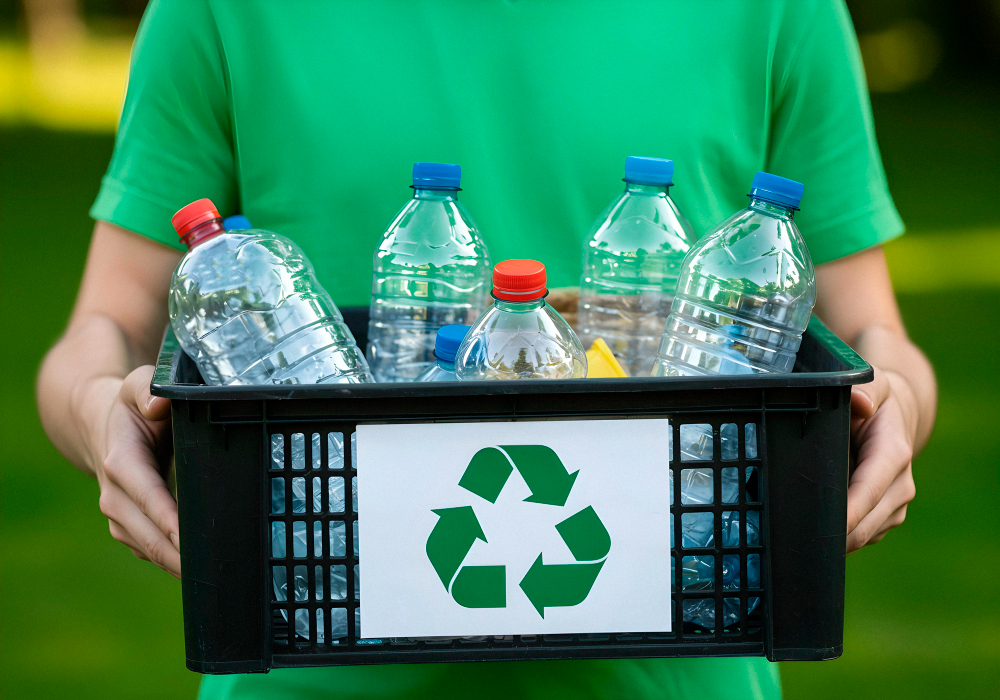

Plastic bottles are everywhere used for water, soft drinks, juices, and countless other products. While their convenience is undeniable, their environmental footprint is significant. Millions of bottles end up in landfills or oceans each year, contributing to pollution and harming ecosystems. However, there is a powerful solution: recycling these bottles into PET (Polyethylene Terephthalate) flakes. PET bottle flakes are small, processed pieces of plastic that serve as the foundation for a wide range of sustainable products.

What Are PET Bottle Flakes?
PET bottle flakes are produced by collecting, cleaning, and shredding used PET bottles. These flakes are then further processed to remove impurities such as labels, caps, and adhesives. The result is a clean, high-quality raw material that can be reused in manufacturing. PET flakes are versatile and can be transformed into fibers, sheets, films, and even new bottles.
The Production Process
The journey from discarded bottle to PET flakes involves several steps:
- Collection and Sorting: Used bottles are gathered from households, businesses, and recycling centers. They are sorted by color and type to ensure consistency.
- Cleaning: Bottles are washed to remove dirt, labels, and residues. This step is crucial for producing high-quality flakes.
- Shredding: Clean bottles are shredded into small flakes using specialized machinery.
- Separation and Purification: Advanced techniques remove contaminants such as caps (often made of HDPE) and leftover adhesives.
- Drying and Packaging: The flakes are dried and packaged, ready for sale as raw material for various industries.
This process not only reduces waste but also creates a valuable resource that can be used repeatedly.
Applications of PET Bottle Flakes
PET flakes are widely used across industries:
- Textiles: Flakes are spun into polyester fibers used in clothing, upholstery, and carpets.
- Packaging: Recycled PET (rPET) is used to produce new bottles, containers, and films.
- Construction: PET flakes can be incorporated into building materials such as insulation and roofing sheets.
- Automotive: Polyester fibers derived from PET flakes are used in car interiors and seat fabrics.
- Consumer Goods: Items like bags, shoes, and household products often contain recycled PET.
By repurposing PET flakes, industries reduce reliance on virgin plastic and contribute to sustainability.
Environmental Benefits
The recycling of PET bottles into flakes offers significant environmental advantages:
- Waste Reduction: Diverts millions of bottles from landfills and oceans.
- Energy Savings: Producing rPET requires less energy compared to virgin PET.
- Lower Carbon Footprint: Recycling reduces greenhouse gas emissions associated with plastic production.
- Resource Conservation: Minimizes the need for petroleum, the raw material used in virgin plastic.
In essence, PET flakes help close the loop on plastic production, supporting a circular economy where materials are reused rather than discarded.
Economic Opportunities
Beyond environmental benefits, PET flakes create economic value:
- Job Creation: Recycling facilities and processing plants provide employment opportunities.
- Cost Efficiency: rPET is often cheaper than virgin PET, making it attractive for manufacturers.
- Global Trade: PET flakes are traded internationally, serving as a valuable commodity in the recycling market.
- Innovation: Companies are developing new technologies to improve flake quality and expand applications.
For developing countries, PET recycling can be a source of income and industrial growth.
Challenges in PET Flake Production
Despite its benefits, PET flake production faces challenges:
- Contamination: Improper sorting or cleaning can reduce flake quality.
- Infrastructure Gaps: Not all regions have efficient recycling systems.
- Consumer Awareness: Many people still fail to properly recycle bottles.
- Market Fluctuations: The price of rPET can vary with demand and oil prices.
Addressing these challenges requires investment in technology, public education, and supportive policies.
Future of PET Flakes
The future of PET flakes looks promising. With increasing global emphasis on sustainability, demand for rPET is rising. Innovations such as advanced sorting systems, chemical recycling, and biodegradable additives are enhancing the quality and usability of PET flakes. Governments and corporations are also setting ambitious targets for recycled content in packaging, further driving growth.
Conclusion
PET bottle flakes represent a powerful solution to the global plastic waste crisis. By transforming discarded bottles into valuable raw materials, they support environmental sustainability, economic growth, and innovation. From textiles to packaging, PET flakes are shaping industries and helping build a cleaner, greener future.
As consumers, businesses, and policymakers continue to embrace recycling, PET flakes will play a key role in creating a circular economy where the waste becomes opportunity.