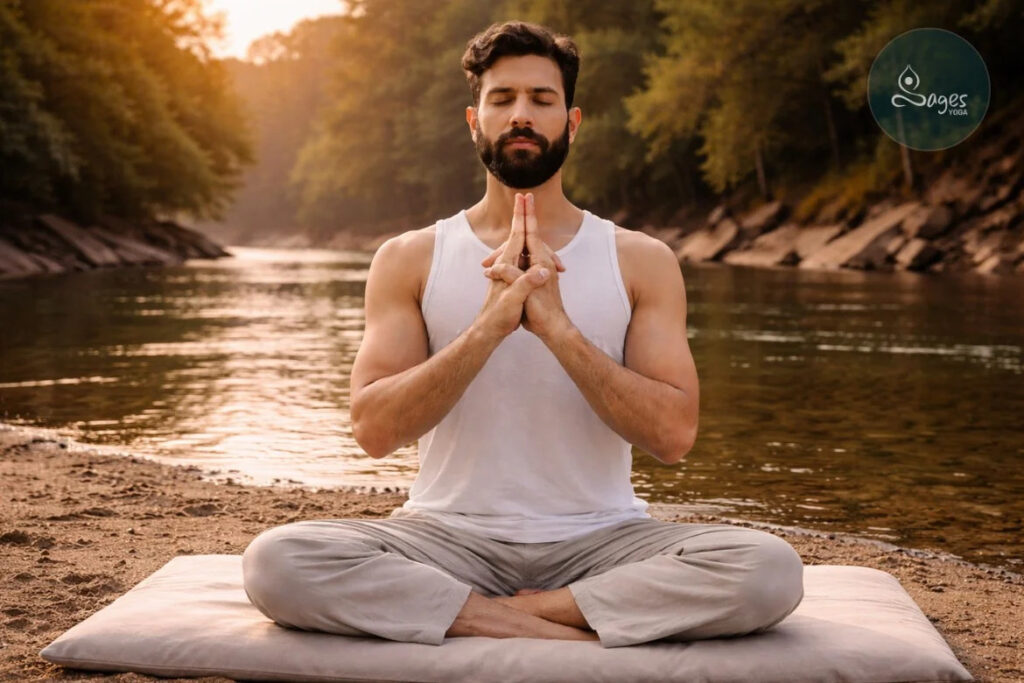

In the vast world of yoga, certain postures stand out for their depth, intensity, and transformative effects. One such advanced practice is Pashinee Mudra, a powerful combination of flexibility, strength, and internal awareness. Known for its deep spinal stretch and compact body positioning, this mudra is often practiced by experienced yogis seeking to elevate their physical and mental discipline.
In this comprehensive guide, we will explore everything about pashinee mudra, including its meaning, how to perform it, its benefits, precautions, and tips for mastering it safely.
What is Pashinee Mudra?
The term pashinee mudra comes from Sanskrit, where “Pashinee” refers to “binding” or “noose-like,” symbolizing the body being tightly wrapped or bound in the posture. In this mudra, the legs are placed behind the head or neck, and the arms wrap around the body, creating a compact and enclosed shape.
This posture is often considered a variation or progression from advanced poses like Halasana (Plow Pose) and requires significant flexibility in the hips, hamstrings, spine, and shoulders. Because of its complexity, pashinee mudra is typically practiced after mastering foundational yoga poses.
How to Perform Pashinee Mudra
Before attempting pashinee mudra, it is essential to warm up the body thoroughly. Here is a step-by-step guide:
- Start with a Supine Position
Lie flat on your back with your arms resting beside your body. - Move into Halasana (Plow Pose)
Lift your legs overhead and bring your toes toward or onto the floor behind your head. - Position the Legs
Bend your knees and carefully place them near your shoulders or behind the neck. - Wrap the Arms
Bring your arms around your legs and clasp your hands behind your back or around your thighs. - Hold the Pose
Maintain steady breathing while holding the posture for a few seconds to a minute, depending on your comfort level. - Release Gently
Slowly release the arms and legs, and carefully roll your spine back down to the floor.
Practicing pashinee mudra requires patience and control. Never rush into the final position.
Physical Benefits of Pashinee Mudra
One of the key reasons practitioners explore pashinee mudra is its wide range of physical benefits.
1. Improves Flexibility
This mudra deeply stretches the spine, hips, and hamstrings. Over time, it enhances overall body flexibility and mobility.
2. Strengthens Core Muscles
Holding the compact position engages the abdominal muscles, helping to build core strength and stability.
3. Stimulates Internal Organs
The compression of the abdomen in pashinee mudra stimulates digestive organs, potentially improving digestion and metabolism.
4. Enhances Spinal Health
The posture promotes spinal elongation and flexibility, which can help relieve stiffness and improve posture.
5. Boosts Circulation
By reversing the body’s position and compressing certain areas, this mudra encourages better blood flow throughout the body.
Mental and Emotional Benefits
Beyond physical advantages, pashinee mudra also contributes to mental and emotional well-being.
1. Improves Concentration
Maintaining balance and control in this pose requires focus, which helps sharpen concentration.
2. Reduces Stress
The inward, compact nature of the posture promotes introspection and calmness, reducing stress and anxiety.
3. Encourages Mind-Body Connection
Practicing pashinee mudra enhances awareness of the body and breath, strengthening the mind-body connection.
4. Promotes Inner Stillness
The pose encourages a sense of withdrawal from external distractions, supporting meditation and inner peace.
Spiritual Significance of Pashinee Mudra
In yogic philosophy, pashinee mudra is not just a physical posture but also a symbolic gesture.
1. Represents Withdrawal (Pratyahara)
The compact position symbolizes turning inward, away from external stimuli, which is an important step in deeper yoga practices.
2. Activates Energy Flow
It is believed to stimulate energy channels (nadis) and balance the flow of prana within the body.
3. Supports Chakra Activation
The compression in the abdominal region may help activate the Manipura (solar plexus) chakra, associated with power and transformation.
Who Should Practice Pashinee Mudra?
Pashinee mudra is best suited for:
- Advanced yoga practitioners
- Individuals with good flexibility and strength
- Those experienced in inversions and deep stretches
Beginners should avoid attempting this pose without proper preparation and guidance.
Precautions and Contraindications
While pashinee mudra offers many benefits, it also comes with certain risks if not practiced carefully.
1. Avoid if You Have Injuries
Do not practice this mudra if you have neck, back, or shoulder injuries.
2. Not Suitable for Beginners
This is an advanced pose that requires prior experience in yoga.
3. Practice Under Guidance
Always learn pashinee mudra under the supervision of a qualified yoga instructor.
4. Avoid During Pregnancy
Pregnant individuals should not attempt this posture due to abdominal compression.
5. Do Not Force the Body
Never push your body into the pose. Respect your limits to prevent strain or injury.
Tips for Mastering Pashinee Mudra
If you are working toward mastering pashinee mudra, consider these helpful tips:
1. Build Flexibility Gradually
Practice preparatory poses like:
- Halasana (Plow Pose)
- Sarvangasana (Shoulder Stand)
- Paschimottanasana (Seated Forward Bend)
2. Strengthen the Core
Core strength is essential for maintaining balance and control in the pose.
3. Focus on Breathing
Deep, steady breathing helps maintain stability and reduces tension.
4. Use Props if Needed
Yoga props like cushions or bolsters can provide support during practice.
5. Stay Consistent
Regular practice is key to improving flexibility and mastering advanced poses.
Common Mistakes to Avoid
When practicing pashinee mudra, be mindful of these common mistakes:
- Forcing the legs behind the neck
- Holding the breath instead of breathing steadily
- Rushing into the final posture
- Ignoring pain or discomfort
- Skipping warm-up exercises
Avoiding these mistakes will help ensure a safe and effective practice.
Integrating Pashinee Mudra into Your Routine
To fully experience the benefits of pashinee mudra, include it as part of a balanced yoga routine:
- Begin with warm-up stretches
- Practice foundational poses
- Attempt pashinee mudra toward the end of your session
- Follow with relaxation or meditation
This approach helps prepare the body and prevent injury.
Conclusion
Pashinee Mudra is a powerful and advanced yogic practice that offers a unique blend of physical, mental, and spiritual benefits. From improving flexibility and strengthening the core to enhancing focus and promoting inner calm, the advantages of pashinee mudra are extensive.
However, it is important to approach this mudra with patience, preparation, and proper guidance. It is not a pose to be rushed or forced but one to be gradually mastered over time.
By practicing mindfully and respecting your body’s limits, you can safely explore the depth and potential of pashinee mudra, making it a valuable addition to your yoga journey.