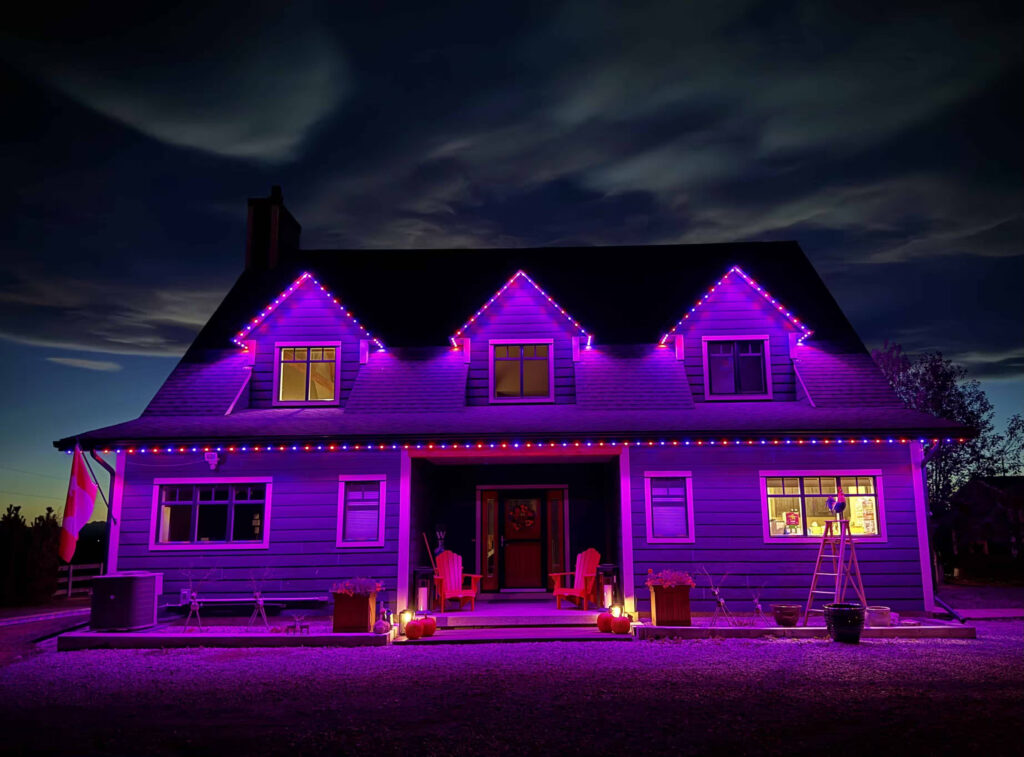

For many homeowners, the search for outdoor lighting near me starts with a simple goal—improving visibility or enhancing the look of a property. But in practice, the process is rarely that straightforward. Lighting that looks good in photos doesn’t always perform well in real environments. Uneven brightness, glare, and poorly placed fixtures are common issues seen across both residential and small commercial projects.
Professionals working in this field often notice that the biggest challenge isn’t the availability of products—it’s the lack of planning behind how those products are used. Outdoor lighting, when approached without a clear strategy, tends to create more problems than it solves.
Why Local Context Matters More Than Most People Expect
Searching for outdoor lighting near me usually brings up a wide range of options, from basic fixtures to full-service installations. However, what sets effective solutions apart is an understanding of local conditions.
Climate, property layout, and seasonal changes all influence how outdoor lighting performs. In regions with snow, for example, ground-level fixtures can become obstructed, while in areas with heavy rain, water resistance becomes a priority rather than an afterthought.
Experienced installers typically evaluate:
- Exposure to weather and temperature changes
- Surface materials (wood, stucco, brick)
- Existing electrical infrastructure
- How the space is used during different times of the year
Without this context, even high-quality lighting systems can fall short in real-world conditions.
Common Problems Seen in Outdoor Lighting Setups
After years of working with different properties, certain patterns tend to repeat. Many outdoor lighting setups fail not because of poor products, but because of avoidable design mistakes.
Some of the most frequent issues include:
- Over-lighting areas, creating harsh and uncomfortable environments
- Dark zones around pathways or entrances, reducing safety
- Improper fixture angles, leading to glare or light spill
- Inconsistent color temperatures, making the space feel unbalanced
These problems often arise when lighting is added gradually without a cohesive plan. Addressing them usually requires rethinking placement rather than simply adding more fixtures.
Practical Applications That Actually Improve Outdoor Spaces
Well-designed outdoor lighting serves multiple purposes beyond aesthetics. Professionals often approach projects by focusing on how the space functions rather than how it looks alone.
Pathway and Entry Lighting
Proper illumination along walkways and entrances improves safety and usability, especially during winter months or low-light conditions.
Architectural Lighting
Highlighting structural elements such as rooflines or textures can add depth without overwhelming the property.
Landscape Lighting
Used carefully, it enhances gardens and outdoor features while maintaining a natural appearance.
Security Lighting
Strategic placement around darker areas increases visibility without creating excessive brightness.
In each case, the goal is balance—ensuring that lighting supports the space without dominating it.
Choosing Fixtures Based on Function, Not Trends
A common mistake when searching for outdoor lighting near me is selecting fixtures based on appearance alone. While design matters, functionality should always come first.
Professionals typically recommend:
- Weather-rated fixtures suitable for local conditions
- LED systems for energy efficiency and longevity
- Shielded designs to reduce glare
- Adjustable fixtures for flexibility over time
For example, a decorative fixture may look appealing during the day but produce uneven light at night. Testing or reviewing light output before installation can prevent this issue.
The Role of Lighting Design in Long-Term Results
One of the less obvious aspects of outdoor lighting is how much the initial design influences long-term satisfaction. A well-planned layout reduces the need for adjustments and ensures consistent performance.
Experienced providers of outdoor lighting near me often begin with a site assessment, mapping out where light is needed and how it should be distributed. This process may seem time-consuming, but it typically prevents costly changes later.
Design considerations often include:
- Spacing between fixtures
- Beam angles and light spread
- Interaction with surrounding surfaces
- Integration with existing structures
These details are rarely visible in the final result, but they make a significant difference in how the lighting feels.
Limitations and Realistic Expectations
Outdoor lighting is not without its constraints. Structural limitations, budget considerations, and environmental factors all play a role in what can be achieved.
For example:
- Older properties may require electrical upgrades
- Certain surfaces may limit mounting options
- Brightness levels may need adjustment to avoid light pollution
Professionals with real-world experience tend to address these limitations early in the process. Clear communication about what is possible—and what isn’t—helps avoid unrealistic expectations.
Maintenance and Ongoing Adjustments
Even well-installed systems require occasional attention. Over time, fixtures may shift, landscaping may grow, and lighting needs may change.
Routine maintenance typically involves:
- Checking connections and wiring
- Cleaning fixtures for optimal performance
- Adjusting angles as needed
- Replacing components when necessary
LED systems reduce maintenance compared to traditional lighting, but they do not eliminate it entirely.
Finding the Right Approach with Prairie Lighting
Choosing the right outdoor lighting near me is less about finding the nearest provider and more about selecting an approach that aligns with the property’s needs. Effective lighting is the result of planning, experience, and attention to detail rather than quick installation.
Professionals working with Prairie Lighting often focus on practical solutions—designing systems that integrate with the property, perform reliably in local conditions, and support both functional and visual goals. The emphasis remains on creating balanced lighting that works consistently over time rather than delivering short-term visual impact.
FAQs
- What should I look for when searching for outdoor lighting near me?
Focus on providers who offer design, installation, and an understanding of local conditions rather than just selling fixtures. - Is professional installation necessary?
Not always, but it helps ensure proper placement, wiring, and long-term performance. - How long do outdoor LED lights last?
Most LED systems last several years, though components may require occasional replacement. - Can outdoor lighting improve security?
Yes, when placed strategically, it increases visibility and reduces dark areas around the property. - Does outdoor lighting require maintenance?
Minimal maintenance is needed, including cleaning fixtures and checking connections periodically.