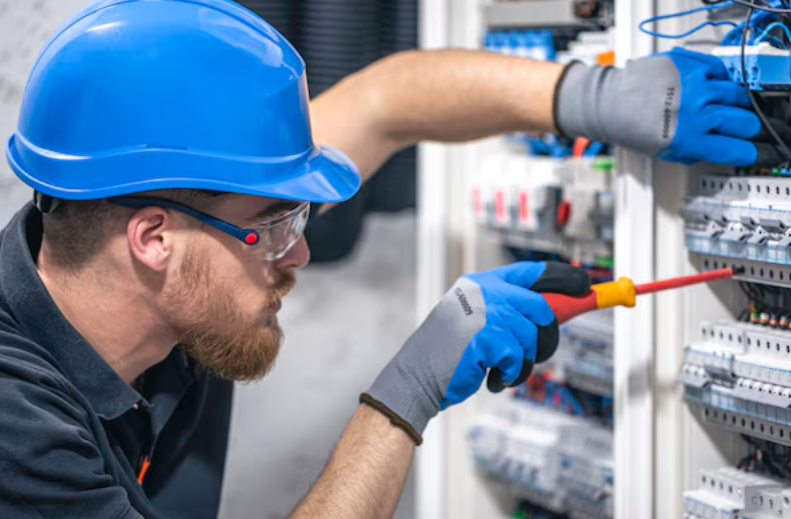

No Compromise on Safety: DEWA Approved Electrical Repairs
In the modern landscape of Dubai, electricity is the invisible lifeblood that powers our comfort, our connectivity, and our safety. From the soaring heights of the Burj Khalifa to the quiet suburban villas of Mirdif, the reliability of our electrical systems is something we often take for granted until something goes wrong. When it does, the stakes are remarkably high. In a region where air conditioning is a necessity and smart home integration is the standard, settling for substandard fixes isn’t just an inconvenience; it’s a hazard. Choosing Dewa Approved Electrical Repairs ensures that your property remains compliant with the highest safety benchmarks in the world.
The Gold Standard of Electrical Safety in Dubai
Dubai’s rapid growth has been matched by equally stringent safety regulations. The Dubai Electricity and Water Authority (DEWA) has established a rigorous framework designed to protect residents from the risks of electrical fires, equipment failure, and power surges. These regulations are updated frequently to reflect advancements in technology and changes in the global electrotechnical landscape.
By prioritizing authorized repairs, property owners are doing more than just fixing a flickering light; they are reinforcing the structural integrity of their electrical infrastructure. These standards ensure that every wire, breaker, and earthing point is installed and maintained to withstand the unique environmental challenges of the UAE, including extreme heat and high salinity.
Key Safety Indicators for Dubai Properties
| Technical Component | Standard Requirement | Impact on Safety |
| Circuit Breakers | IEC 60898-1 Certified | Prevents fire from short circuits |
| Residual Current Devices | 30mA Sensitivity | Protects humans from electric shock |
| Wiring Material | LSZH (Low Smoke Zero Halogen) | Prevents toxic fumes during overheating |
| Earthing System | Resistance < 1 Ohm | Safely diverts fault currents to ground |
Why “Handyman” Solutions Pose a Risk
It can be tempting to call a general maintenance service for a quick electrical fix. However, electricity is an area where a little knowledge can be a dangerous thing. Unlicensed technicians often bypass safety protocols to save time or use materials that are not rated for the specific load requirements of modern UAE homes.
The Danger of Improper Load Balancing
Dubai homes are heavy consumers of power. If a technician adds new outlets or appliances without re-balancing the load on the distribution board, it can lead to “phase imbalance.” This not only causes frequent tripping but can also damage the motors in your expensive AC units and kitchen appliances.
Non-Compliant Material Usage
Authorized repairs mandate the use of high-quality components from brands that meet DEWA’s strict approval list. Using sub-standard wiring or counterfeit breakers might save money in the short term, but it significantly increases the risk of “arcing” a phenomenon where electricity jumps across gaps, creating temperatures hot enough to melt metal and ignite insulation.
Navigating the Dewa Approved Contractors List
When your property requires significant electrical work, from a full rewiring to a main distribution board upgrade, the first step should always be due diligence. DEWA maintains a comprehensive DEWA-approved contractors list to help property owners identify firms that have undergone rigorous technical evaluations and background checks.
Working with an approved contractor provides several layers of protection:
- Accountability: These firms are legally responsible for the safety of their work.
- Technical Expertise: Their engineers are trained in the specific “DEWA Regulations for Electrical Installations.”
- Regulatory Ease: For tasks requiring a No Objection Certificate (NOC) or a load enhancement, an approved contractor can navigate the online portal efficiently, ensuring your project isn’t delayed by paperwork errors.
The Technical Lifecycle of a Professional Repair
A professional electrical repair is a structured process that relies on data rather than guesswork. When you engage a specialist for Dewa Approved Electrical Repairs, you should expect a systematic approach to your home’s health.
1. The Initial Load Audit
Before a single wire is touched, engineers perform a load audit. This involves checking the current consumption against the original design of the building. With the influx of high-wattage devices like air fryers, gaming PCs, and EV chargers, many older homes are operating near their safety limit.
2. Thermal Imaging Inspections
Modern electrical safety involves seeing the invisible. Using infrared thermography, technicians can identify “hot spots” within your walls or panels. These hot spots indicate loose connections or overloaded wires that are generating excessive heat long before they cause a fire.
3. Systematic Replacement and Testing
During the repair phase, every connection is tightened to specific torque settings. Once the work is complete, a series of tests are performed:
- Insulation Resistance Test: Ensuring the wire coating is intact.
- Polarity Test: Verifying that live and neutral wires are in their correct positions.
- RCD Trip Test: Confirming that your life-saving safety switches actually trip within the required milliseconds.
Enhancing Property Value Through Compliance
In the competitive Dubai real estate market of 2026, transparency is a currency. Whether you are a landlord or a homeowner, maintaining a “Compliance Folder” for your property is highly beneficial. This folder should contain the certificates of work performed by companies found on the Dewa approved contractors list.
Prospective buyers and tenants are increasingly savvy about building safety. Showing that your electrical system has been maintained by authorized professionals provides a level of reassurance that can justify higher rental yields or sale prices. It proves that the property is “future-proofed” and free from the hidden liabilities of amateur electrical work.
Understanding RCDs: The Life-Savers Behind Your Walls
One of the most critical aspects of DEWA-compliant repairs is the installation and maintenance of Residual Current Devices (RCDs). In many older properties, these devices are either outdated or non-functional. An RCD is designed to monitor the balance of electricity. If it detects even a tiny amount of current “leaking” (perhaps through a person’s body), it cuts the power instantly.
Professional repairs ensure that your home is “split” across multiple RCDs. This means that a fault in the kitchen won’t plunge your entire home into darkness, allowing you to maintain safety in other areas of the house while the specific issue is addressed.
Conclusion: Making the Safe Choice
Electricity is not an area where “good enough” is acceptable. The risks of fire, shock, and equipment damage are too significant to ignore. By choosing authorized professionals and adhering to the standards set by the Dubai Electricity and Water Authority, you are making a long-term investment in your family’s safety and your property’s longevity.
Whether you are dealing with a minor socket issue or a major system overhaul, remember that the quality of the repair is directly linked to the quality of the technician. Always verify credentials, demand a testing report, and never compromise on the safety standards that keep Dubai one of the most advanced and secure cities in the world. Your peace of mind is worth far more than the cost of a compliant repair.