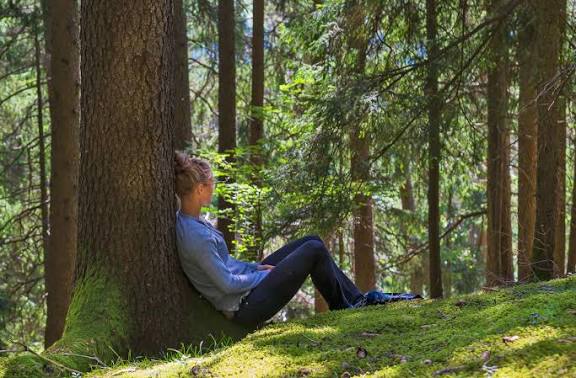

Emotional healing is not always confined to the walls of a therapy office. Many people discover that spending time outdoors helps them feel calmer, more present, and better able to process difficult emotions. Nature-based therapy programs combine professional mental health support with the restorative qualities of the natural environment, offering a thoughtful approach for individuals seeking healing, self-discovery, and personal growth.
Why Nature Can Be Part of the Healing Process
Nature has a unique way of encouraging people to slow down. The sounds of birds, the movement of leaves, and the rhythm of a peaceful walk can gently shift attention away from daily pressures. While nature itself is not a replacement for therapy, it can create an environment that supports reflection and emotional awareness.
Many people find it easier to express themselves when they are walking through a park or sitting beneath trees instead of remaining indoors. The outdoor setting often feels less formal, allowing conversations to unfold naturally while encouraging a greater connection with the present moment.
What Are Nature-Based Therapy Programs?
Nature-based therapy programs are structured counseling experiences that intentionally incorporate outdoor settings into the therapeutic process. These programs are guided by qualified mental health professionals who use the natural environment to complement evidence-based therapeutic techniques.
Sessions may involve walking conversations, mindfulness exercises, grounding practices, or quiet reflection in nature. Every experience is adapted to the individual’s comfort level, emotional needs, and personal goals. The emphasis remains on emotional healing rather than outdoor adventure or physical performance.
Supporting Emotional Healing Through Nature
Stress, anxiety, grief, and trauma often affect both the mind and body. When emotional challenges become overwhelming, people may feel disconnected from themselves or stuck in patterns of worry and self-criticism.
Nature-based therapy creates opportunities to pause and notice these experiences with greater curiosity instead of judgment. The peaceful surroundings can help reduce distractions, making it easier to recognize emotions, identify personal needs, and develop healthier coping strategies. Over time, this increased awareness can support emotional resilience and a stronger sense of balance.
A Trauma-Informed and Personalized Approach
Healing looks different for everyone. A trauma-informed therapist understands that every person’s experiences, boundaries, and comfort levels are unique. Rather than following a fixed program, nature-based therapy is adjusted to meet each individual’s needs.
Some people may feel comfortable walking throughout a session, while others may prefer sitting quietly in one location. The therapist works collaboratively with the client, ensuring that the pace always feels manageable and emotionally safe. This flexibility allows clients to build trust while exploring difficult emotions without feeling overwhelmed.
Growth Beyond Symptom Management
Although many individuals seek therapy because of anxiety, depression, trauma, or life stress, healing often extends beyond symptom relief. Nature-based therapy encourages self-awareness, resilience, and personal growth by helping individuals reconnect with their values, strengths, and sense of purpose.
Clients frequently discover healthier ways to respond to challenges, communicate more openly, establish stronger boundaries, and become more compassionate toward themselves. These changes often develop gradually through consistent therapeutic support rather than immediate transformation.
Who Can Benefit From Nature-Based Therapy?
Nature-based therapy programs can support individuals facing a wide variety of emotional challenges, including stress, anxiety, trauma, grief, burnout, relationship concerns, and major life transitions. They may also appeal to people who simply feel more comfortable outdoors and want an alternative to traditional office-based counseling.
Because each person’s situation is different, a therapist can help determine whether this approach aligns with their goals and preferences. The focus is always on providing meaningful support that respects the client’s unique experiences.
Conclusion
Healing is a personal journey, and the most effective support often reflects the individual’s needs, values, and environment. Nature-based therapy programs offer a gentle, compassionate approach that combines professional counseling with the calming presence of the natural world. At Evolve In Nature, trauma-informed, nature-centered care helps individuals build resilience, strengthen emotional well-being, and move toward lasting personal growth with confidence and hope.
Frequently Asked Questions
What are nature-based therapy programs?
Nature-based therapy programs are therapist-guided counseling experiences that incorporate natural outdoor settings into the healing process while using evidence-based therapeutic approaches.
Who can benefit from nature-based therapy?
People experiencing anxiety, stress, trauma, grief, burnout, relationship challenges, or life transitions may benefit from this approach. It can also be valuable for individuals who feel more connected and relaxed in outdoor environments.
Do I need outdoor experience to participate?
No. Nature-based therapy is designed to be accessible and is adapted to each person’s comfort level, physical abilities, and therapeutic goals.
Is nature-based therapy suitable for trauma recovery?
Yes. When guided by a trauma-informed therapist, nature-based therapy emphasizes emotional safety, personal choice, and gradual healing at a pace that feels comfortable for the client.
How is nature-based therapy different from traditional counseling?
The therapeutic goals remain the same, but sessions take place in natural settings rather than exclusively in an office. The outdoor environment becomes an additional resource that supports emotional awareness, mindfulness, and personal growth.