

Shifting the house is in itself a tough task, and getting this done in the winter is something that can be an extremely stressful situation. In the UK, an average winter consists of not merely cold temperatures but is also accompanied by rain, frost, and shorter days. Inappropriate preparation for shifting all your household items can all put your belongings at risk. These days there are various kinds of packaging supplies in the UK that are available, ranging from the cardboard boxes to all other kinds of packaging supplies.
However, if you do not properly package all your items, even the strongest cardboard boxes can weaken, leading to fragile items being affected by temperature changes, and a single slip on icy ground can completely damage your belongings, even with minimal mishandling.
But do not worry. Every problem has a solution, and so is the case here. There are a few things that you need to take care of before placing the order for your packaging materials. All you need to do is be sincere and follow the suggestions below, which will help you buy the right packaging materials and ship them in the best possible manner.
Why do winter moves require extra packing care?
Winter months require extra precaution and sincere packaging, and there can be several reasons behind it. This is not something that one needs to think of in the summer months, but thanks to the winters, you are supposed to stay extra conscious.
- Moisture from rain or snow
- Cold temperatures affecting electronics and glass
- Slippery surfaces leading to dropped boxes
- Damp air damaging cardboard and fabrics
Start with the Right Boxes for Moving House
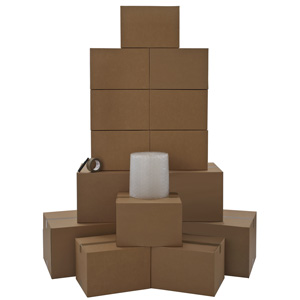
Choosing the right boxes for moving house is the first and most important step toward ensuring that you are shipping the items in the most secure manner. While many factors need consideration, prioritising strength is crucial. Selecting thinner boxes increases their susceptibility to damage from dampness or even minor handling. High-quality boxes such as the double-walled cardboard boxes can be used for ensuring that they form a strong layering, and these features can help in ensuring that the items do not get damaged. These boxes are especially designed for:
- Handle heavier loads without splitting
- Stack securely in vans and storage areas
- Protect contents even during longer transport times
For winter moves, double-wall boxes are especially useful for heavier items like books, kitchenware, and tools, as they offer extra strength and insulation.
Winter packing tip: Avoid placing boxes directly on wet ground. Use pallets, tarps, or blankets to keep them dry during loading.
Use a Bubble Wrap Roll to Guard Against Cold and Impact
There are a few materials that are quite fragile in nature, and additionally, in the winter, they become even more brittle and hence more vulnerable and worthy of damage. That means fragile items are at a higher risk of cracking or breaking during winter moves.
A bubble wrap roll is essential for:
- Glassware and mirrors
- Electronics and screens
- Ceramics and ornaments
- Picture frames and artwork
Bubble wrap doesn’t just cushion against knocks—it also provides a layer of insulation from sudden temperature changes.
How to wrap fragile items in winter
- Wrap each item individually
- Use multiple layers for extra protection
- Secure with tape so the wrap doesn’t loosen in transit
- Fill empty box spaces to prevent movement
Using enough bubble wrap might feel excessive—but it’s far cheaper than replacing damaged items.
Pack Electronics with Temperature Changes in Mind
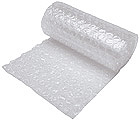
Condensation is a major problem when it comes to the electronics, especially when shipped in the winters. Sudden temperature shifts can cause damage to the internal parts, potentially leading to the entire gadget.
Here’s how to protect them:
- Wrap items securely using a Bubble Wrap Roll.
- Pack them in sturdy boxes with no space.
- Avoid leaving electronics in cold vans overnight.
- Let devices reach room temperature before plugging them in.
Protect Clothes, Bedding, and Soft Furnishings from Damp
Dampness and moisture are two common things that you will necessarily find in the winter air, and this in reality is the enemy of fabrics. Always ensure that you pack clothes and other belongings tightly, as loose packing can cause them to become damp.
Best practices include:
- Packing clothes in strong boxes or wardrobe boxes
- Using protective wrapping to keep moisture out
- Avoiding plastic bags that trap condensation
Summing Up
To sum up, winters call for extra protection, and here all you need to do is strategically plan and buy the most durable and strong packaging to ensure that all your stuff gets transported safely and securely even amidst harsh weather conditions.