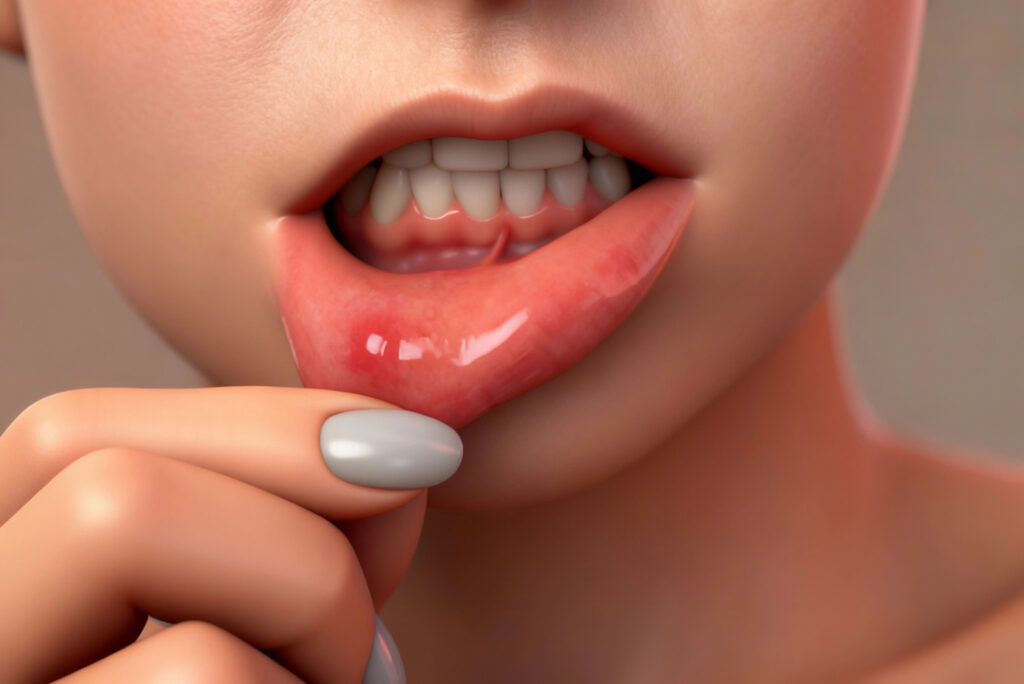

Oral health is deeply interconnected with overall systemic wellness, yet recurring mouth sores are often treated as minor, isolated nuisances. For residents across Surat who enjoy rich regional cuisine, an active mouth sore can severely disrupt daily eating and social interactions. When raw lesions appear frequently or refuse to heal within typical timeframe windows, consulting a qualified Mouth Ulcer Specialist in Surat provides the necessary diagnostic clarity to understand why your oral mucosa is struggling.
The lining of the mouth serves as a sensitive window into internal physiological health. Changes in tissue texture, persistent burning sensations, and non-healing raw spots frequently point to underlying nutritional deficits, systemic inflammation, or localized tissue reactions. Recognizing these underlying connections helps individuals move past temporary pain relief towards long-term mucosal health.
The Biological Function of Oral Mucosa
The oral mucosa acts as a specialized epithelial barrier protecting delicate underlying nerve endings and blood vessels from physical injury, temperature extremes, and chemical irritants. When healthy, these surface cells rapidly regenerate, replacing damaged tissue within a week. However, when systemic balance is disrupted by stress, nutritional gaps, or immune responses, this natural cellular turnover slows down, creating open sores that persist and cause ongoing pain.
Environmental and Habit Factors in Mucosal Health
Daily habits, diet choices, and environmental exposures significantly impact mucosal sensitivity. Frequently consuming extremely hot tea, eating sharp fried snacks, or using harsh oral hygiene products can wear down protective tissue barriers. Furthermore, habit patterns like biting cheek linings during high-stress periods create micro-injuries that easily develop into persistent ulcers when cellular repair mechanisms are slow.
Distinguishing Temporary Sores from Chronic Mucosal Lesions
Not all mouth ulcers originate from the same cause, and distinguishing between simple minor sores and complex tissue changes is crucial for proper care:
- Minor Aphthous Ulcers: Shallow, small lesions that usually develop on soft moveable tissue like cheeks or tongue and resolve within ten to fourteen days.
- Major Aphthous Ulcers: Larger, deeper lesions with irregular borders that take several weeks to heal and may leave minor tissue scarring.
- Herpetiform Ulcers: Clusters of multiple pinpoint sores that merge into larger raw areas, causing significant localized discomfort.
- Chronic Non-Healing Lesions: Sores that persist beyond fourteen days without shrinking, often linked to systemic factors or tissue alterations.
The Systemic Connection Behind Recurring Sores
When mouth sores recur frequently, localized remedies like soothing gels only address surface symptoms temporarily. Finding the Best Doctor for Persistent Mouth Ulcers involves investigating internal physiological factors that compromise mucosal resilience:
- Vitamin and Mineral Deficiencies: Insufficient levels of vitamin B12, iron, ferritin, zinc, or folate directly impair cell renewal rates.
- Gastrointestinal Disorders: Malabsorption issues and chronic gut inflammation often express early clinical symptoms through mucosal ulcerations.
- Immune System Variability: Autoimmune responses can mistakenly target healthy oral mucosal cells, leading to chronic localized inflammation.
- Chronic Local Irritation: Continuous physical wear from sharp tooth cusps, broken fillings, or rough dental prosthetics creates non-healing wounds.
Diagnostic Evaluation and Microscopic Assessment
When an oral sore remains unhealed past two weeks, detailed diagnostic evaluation becomes necessary to evaluate cellular structures precisely. A thorough clinical assessment includes visual mucosal checks, detailed dietary history reviews, and specialized blood panels to evaluate overall nutritional status, blood counts, and metabolic parameters.
In cases where lesions show thickened edges, persistent discoloration, or unusual growth, an oral tissue biopsy is performed. A small tissue sample is gathered safely under local anesthetic and analyzed microscopically by mucosal specialists. This straightforward diagnostic step provides definitive clarity, ruling out complex conditions early and guiding appropriate care strategies.
Lifestyle Habits That Support Mucosal Recovery
Alongside clinical diagnostics, daily habits significantly influence how quickly oral tissues heal during active sore outbreaks:
Dietary Guidelines for Delicate Mucosa
- Eat soft, non-irritating foods like boiled rice, lentils, dal khichdi, mashed potatoes, and cold yogurt.
- Avoid excessively spiced, deep-fried, acidic, or heavily salted foods that irritate raw nerve endings.
- Stay hydrated by sipping room-temperature water steadily throughout the day to support protective saliva production.
Hygiene Precautions
- Use a soft-bristled toothbrush and clean gently around raw sore areas without scrubbing tender tissues.
- Avoid mouthwashes containing high alcohol content, which can dry out mucosal surfaces and increase stinging.
Conclusion: Prioritizing Your Mucosal Wellbeing
Persistent mouth ulcers should never be overlooked when self-care methods fail to bring relief. Seeking thorough evaluation from an established Oral Health Diagnosis Centre in Surat ensures accurate diagnostic insights, protecting mucosal integrity, supporting general health, and restoring everyday oral comfort and long-term wellness.
Frequently Asked Questions
Why do mouth ulcers cause severe burning sensations during meals?
Ulcers strip away protective epithelial layers, leaving delicate underlying nerve fibers directly exposed to food chemicals and salt.
How long can a person safely wait before getting a sore evaluated?
If a sore shows no visible signs of healing after fourteen days, professional diagnostic evaluation should be arranged promptly.
Can low hemoglobin levels cause frequent mouth sores?
Yes, anemia reduces oxygen delivery to mucosal tissues, impairing natural cellular repair and increasing susceptibility to ulcerations.
Are non-healing mouth ulcers always serious medical conditions?
Not always; many persistent ulcers stem from simple sharp teeth friction or nutrient deficiencies, but diagnostic evaluation provides complete certainty.
Can stress reduction exercises help prevent recurring mouth ulcers?
Yes, managing chronic stress helps stabilize immune function and reduces localized inflammatory responses that trigger recurrent aphthae.
Is oral tissue biopsy a painful procedure?
Biopsies are performed under local numbing, making the procedure quick and comfortable with minimal post-procedure tenderness.
What role does gut health play in oral sore development?
Gut imbalances can impair nutrient absorption and trigger systemic immune responses that manifest as raw oral mucosal lesions.
Source: medium.com