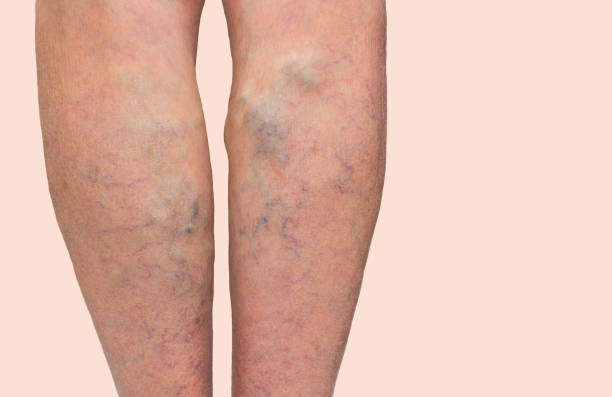

The evolution of vascular medicine has shifted the focus from invasive surgery to high-precision, office-based interventions. For those seeking a modern varicose veins treatment in Dubai, the goal is to achieve permanent vessel closure with minimal disruption to daily life. In 2026, “Expert Care” is defined by the move toward non-thermal techniques that preserve surrounding nerves and tissue. By utilizing advanced medical adhesives and specialized laser fibers, practitioners can now treat complex venous reflux without the need for multiple anesthetic injections. This guide explores the sophisticated technologies that have modernized the patient experience, offering a roadmap to healthier legs through the lens of clinical innovation and evidence-based results.
Modernizing your venous health involves addressing the root cause of pressure while prioritizing the biological integrity of the leg’s circulatory network.
The Rise of Non-Thermal Vein Closure
In the past, heat was the only way to close a vein, but modern “cold” techniques are revolutionizing the recovery timeline.
How Does Medical Adhesive (VenaSeal) Differ from Laser Treatment?
VenaSeal uses a proprietary medical-grade “glue” to physically seal the vein walls together. Unlike laser therapy, it requires no heat and usually only one numbing injection at the entry site. We observe that because there is no thermal risk, patients often do not need to wear compression stockings after the procedure, making it an ideal choice for the Dubai climate.
What Is Mechano-Chemical Ablation (MOCA)?
MOCA, often performed with the Clarivein system, uses a rotating catheter tip to irritate the vein lining while simultaneously infusing a sclerosing agent. This dual-action approach causes the vein to collapse instantly without the use of heat or tumescent anesthesia. Based on post-procedure follow-ups, MOCA is particularly effective for patients with a high sensitivity to heat or needles.
Step-by-Step Patient Sensations During Modern Procedures
The physical experience of modern vein care is designed to be low-stress, with most sensations described as “unusual” rather than painful.
What Does the Insertion of the Micro-Catheter Feel Like?
The insertion begins with a small “nicking” of the skin under local anesthesia. You may feel a slight “sliding” or “tugging” sensation as the micro-catheter is guided toward the top of the diseased vein using ultrasound. We observe that most patients find this phase surprisingly easy, often comparing the sensation to having an IV line started.
What Is the Sensation of the “Medical Glue” Being Applied?
During a VenaSeal procedure, as the adhesive is dispensed, the specialist applies light manual pressure to the leg to bond the vein walls. You may feel a localized “firmness” or a slight “pulling” sensation during these 30-second intervals. Patients typically report that the feeling is similar to a deep-tissue massage or a firm rhythmic squeeze along the thigh.
How Do Patients Describe the “Cooling” Sensation of MOCA?
Because MOCA does not use heat, there is no “burning” sensation. Instead, as the rotating tip works, you may feel a light “buzzing” or “vibration” inside the leg. Based on clinical observations, this sensation is entirely tolerable and is often described as a “tickling” or “fizzing” feeling that moves slowly down the leg as the catheter is withdrawn.
Recovery Milestones and Biological Healing
Modern treatments are designed for “walk-in, walk-out” convenience, but the internal biological closure follows a specific timeline.
-
Immediate Post-Op: You are encouraged to walk for 15 minutes to ensure deep-vein circulation is optimized.
-
The First 48 Hours: Any minor “tightness” or “cramping” is easily managed with over-the-counter anti-inflammatories.
-
Week 2–4: The body begins the process of “fibrosis,” where the treated vein is converted into a thin string of connective tissue.
-
Month 3: The inflammatory response subsides, and the vein is no longer visible on ultrasound or to the naked eye.
Why Is Walking Immediately After Modern Procedures Encouraged?
Walking stimulates the “calf-muscle pump,” which is responsible for pushing blood from the lower legs back toward the heart. We observe that movement prevents blood from pooling in the healthy deep veins while the treated superficial vein is settling. This immediate mobility is the most effective safeguard against rare complications like deep vein thrombosis (DVT).
What Are the “Signs of Success” During the First Month?
A successful treatment is indicated by the resolution of “night cramps” and the disappearance of the heavy, “dragging” feeling in the legs. You may also notice that any localized swelling around the ankles begins to subside as the circulatory pressure is relieved. Based on post-procedure follow-ups, these functional improvements often precede the full cosmetic disappearance of the vein.
Suitability and Specialist Insights
Selecting the right modern modality depends on the diameter, depth, and “tortuosity” of the diseased vessels.
Who Is the Best Candidate for “Glue-Based” Vein Closure?
VenaSeal is an excellent option for patients who want to avoid compression stockings or those with veins located very close to the skin surface where heat could cause a burn. We observe that it is highly effective for primary varicose veins but may not be suitable for very large, “aneurysmal” vein segments where thermal energy provides a more robust seal.
How Does a Specialist Choose Between Laser and Adhesive?
The decision is based on a “venous map” created via Doppler ultrasound. If the vein is very deep and straight, laser (EVLT) remains the gold standard for its long-term durability. If the vein is superficial or if the patient has a high risk of nerve injury, a non-thermal adhesive or MOCA is often the safer, more modern choice.
Social Proof: Real Patient Perspectives
-
“I had the ‘vein glue’ procedure on a Tuesday and was back at the gym doing light cardio by Thursday. I didn’t have to wear the heavy stockings, which was a huge relief in the Dubai heat. My legs feel so much lighter now.” — Amira
-
“The vibrating feeling of the Clarivein was a bit strange at first, but it didn’t hurt at all. I was amazed that I could drive myself home right after the appointment. The bulging vein on my calf was flat by the next week.” — Faisal
Why Trust Tajmeels Clinic for Modern Vein Solutions?
Leading-edge vascular care requires a specialist who stays at the forefront of non-thermal and minimally invasive technologies. At Tajmeels Clinic, we offer the most advanced varicose veins treatment in Dubai, specializing in 2026-standard techniques like VenaSeal and MOCA. Our expert surgeons prioritize a “patient-first” philosophy, selecting the modality that offers the fastest recovery and the most discreet results for your specific anatomy. We provide a professional and empathetic environment where your diagnostic ultrasound and treatment plan are handled with clinical precision and grounded medical advice. By choosing our specialized team, you are ensuring that your venous health is restored using the latest global innovations in a safe and supportive setting. We invite you to experience the future of painless vein restoration at Tajmeels Clinic.
FAQs
Is the “medical glue” safe for long-term use?
Yes, the adhesive used in VenaSeal is a specialized version of cyanoacrylate, which has been used in medical procedures (such as brain and heart surgeries) for decades. Once it seals the vein, it is designed to remain in place permanently while the body naturally builds scar tissue around it, eventually reabsorbing the defunct vessel.
Can modern treatments fix “spider veins” too?
Modern large-vein treatments fix the “source” of the pressure, which often causes many spider veins to fade on their own. For those that remain, a session of microsclerotherapy can be performed as a finishing touch. Combining these modern modalities ensures both the functional health and the aesthetic beauty of your legs.
Will I be able to exercise after a modern vein procedure?
You can resume light walking and daily activities immediately. However, we recommend avoiding high-impact running or heavy weightlifting for at least 7 to 10 days. This allows the internal “seal”—whether created by laser or glue—to become fully stable before being subjected to intense circulatory pressure.
Does the “glue” cause any allergic reactions?
Allergic reactions to medical adhesives are extremely rare, occurring in less than 1% of patients. During your consultation, your specialist will review your medical history and may perform a small patch test if you have a history of severe sensitivities. For most people, the adhesive is perfectly biocompatible.
How long does a “modern” vein appointment take?
A typical modern vein procedure, including the ultrasound prep and the treatment itself, takes between 45 and 60 minutes. Because there is no need for extensive local anesthesia (tumescent fluid) in many of these new techniques, you spend less time in the clinic and more time enjoying your day.
Why is an ultrasound “mapping” so important?
Ultrasound is the “eyes” of the vascular specialist. It allows us to see beneath the skin and identify the specific valves that are leaking. A modern treatment without an ultrasound map would be like trying to fix plumbing without knowing where the leak is; mapping ensures we treat the cause, not just the symptom.