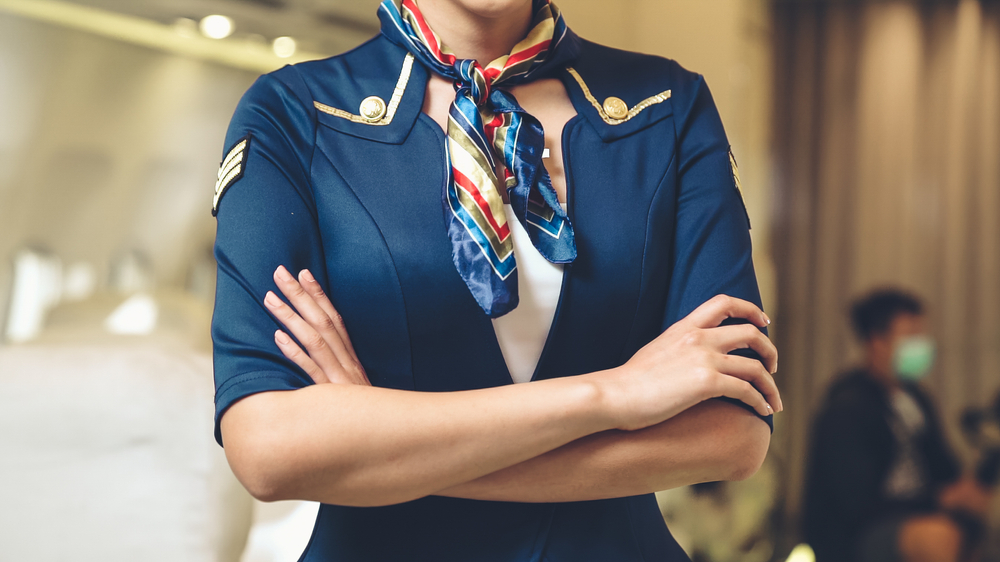

Aviation training does not look the way it did ten or fifteen years ago. The industry has changed too much for that. Airlines today expect far more than polished uniforms and memorised announcements. Cabin crew professionals now represent safety, communication, customer experience, emotional intelligence, and international service standards all at once.
That shift has changed how students prepare for aviation careers.
Earlier, many aspiring cabin crew candidates focused mainly on appearance and spoken English. Those things still matter, of course. But modern aviation training now goes much deeper. Personality development, crisis handling, digital communication, behavioural training, cultural adaptability, and practical simulation exercises have become essential parts of the learning process.
This is exactly why students exploring an air hostess course in Delhi today are entering a far more advanced and industry-focused training environment than previous generations experienced.
The training is no longer only about looking professional. It is about functioning professionally under pressure.
The Aviation Industry Is Becoming More Experience-Focused
Airlines compete heavily on passenger experience now. Customers notice everything:
- Communication tone
- Professional behaviour
- Service speed
- Calmness during delays
- Passenger handling during stressful situations
Cabin crew members often become the face passengers remember after a flight. That creates huge responsibility.
Modern training programs understand this reality. Institutes now focus strongly on real-world preparedness rather than textbook learning alone.
Students are trained to handle:
- Difficult passenger interactions
- Emergency procedures
- Cultural sensitivity
- In-flight communication
- Team coordination
- Personal presentation standards
The industry expects confidence, not rehearsed perfection.
Practical Training Has Become Far More Important
One major change in aviation education is the increased focus on practical exposure. Students today are expected to experience realistic scenarios before entering professional environments.
A modern air hostess training centre in Delhi often includes:
- Mock aircraft cabin setups
- Grooming workshops
- Roleplay-based passenger interaction
- Safety demonstrations
- Emergency response simulations
- Interview preparation sessions
This practical style of learning helps students become more comfortable with real operational situations.
Reading about passenger handling is different from facing an emotional or frustrated traveller during a simulation exercise. Real confidence develops through repeated practical exposure.
Grooming Training Has Evolved Beyond Appearance
There is a common misunderstanding that aviation grooming training focuses only on makeup or uniforms. In reality, modern grooming education is much broader.
Professional presentation now includes:
- Body language
- Eye contact
- Posture
- Communication etiquette
- Professional movement
- Voice clarity
- Confidence during interaction
Airlines look for people who appear approachable, composed, and attentive rather than overly scripted.
Training institutes now spend more time helping students build natural professional presence instead of mechanical behaviour.
And honestly, passengers notice authenticity quickly.
Communication Skills Are Now a Core Requirement
Strong communication has become one of the most valuable skills in aviation careers. Cabin crew members constantly interact with people from different regions, age groups, cultures, and emotional states.
Modern training programs now place serious emphasis on:
- Spoken English fluency
- Conversational confidence
- Situational communication
- Listening skills
- Conflict management
- Public interaction etiquette
A good air hostess training centre in Delhi usually integrates communication exercises into daily training rather than teaching them as isolated classroom subjects.
Because in aviation, communication affects both service quality and passenger safety.
Personality Development Is No Longer Optional
Airlines increasingly prefer candidates with adaptable personalities rather than overly rehearsed responses. Interviews today often evaluate emotional intelligence and behavioural confidence more than memorised answers.
This has changed training methods significantly.
Students are now encouraged to develop:
- Confidence under pressure
- Positive interaction habits
- Emotional control
- Team cooperation
- Problem-solving ability
Personality development sessions have become more interactive and realistic compared to older classroom-style approaches.
Many institutes now use group activities, mock interviews, and real-time feedback systems to help students improve naturally.
Digital Learning Is Changing Aviation Education
Technology has also influenced modern aviation training in noticeable ways.
Today’s students often learn through:
- Interactive aviation modules
- Virtual safety demonstrations
- Video-based communication reviews
- Digital grooming assessments
- Online interview practice platforms
This hybrid learning approach makes training more flexible and visually engaging.
At the same time, practical in-person training still remains essential because aviation is fundamentally a people-oriented profession.
Technology supports training. It cannot replace human interaction skills.
Soft Skills Are Becoming Industry Priorities
Aviation professionals spend most of their workday interacting with people. Because of that, soft skills now hold enormous value during recruitment.
Airlines increasingly prioritise candidates who demonstrate:
- Patience
- Calmness
- Professional tone
- Adaptability
- Empathy
- Quick thinking
Technical knowledge can be taught relatively quickly. Behavioural maturity takes more time to develop.
Modern aviation training therefore focuses heavily on creating emotionally balanced professionals rather than simply polished candidates.
Career Preparation Has Become More Structured
Another noticeable trend is stronger placement-oriented preparation.
Many modern training institutes now help students understand:
- Airline interview formats
- Resume presentation
- Group discussion techniques
- Industry expectations
- Professional networking etiquette
Students entering aviation today face competitive hiring environments. Structured preparation gives them better clarity before recruitment stages begin.
Common Areas Covered During Modern Aviation Training
| Training Area | Purpose |
| Grooming & Presentation | Professional appearance standards |
| Communication Skills | Passenger interaction confidence |
| Safety Procedures | Emergency preparedness |
| Personality Development | Confidence building |
| Aviation Etiquette | Industry professionalism |
| Interview Preparation | Recruitment readiness |
The training environment itself has become far more industry-oriented than before.
Hospitality and Aviation Training Are Becoming Connected
One interesting trend is the growing overlap between hospitality and aviation education. Both industries revolve around service quality, customer interaction, presentation standards, and operational discipline.
Because of this connection, many aviation students also gain exposure to hospitality concepts such as:
- Guest handling
- Service etiquette
- Professional conduct
- Luxury customer experience
This crossover learning helps students adapt more smoothly across customer-facing industries later.
Why Students Are Looking for Industry-Relevant Training
Today’s students are more informed than earlier generations. They research institutes carefully. They ask practical questions:
- Will the training include simulations?
- Are communication sessions interactive?
- Is interview preparation included?
- Will grooming training feel realistic?
- Are trainers industry-aware?
Students no longer want purely theoretical programs. They want career-focused preparation that reflects real aviation expectations.
That shift has pushed institutes to modernise their training methods significantly.
The Future of Aviation Training
The aviation sector continues evolving rapidly. Passenger expectations are changing. Airlines are becoming more service-oriented. International travel is expanding again. All of this increases demand for well-trained professionals who can handle both operational responsibility and customer interaction smoothly.
Future aviation training will likely become even more focused on:
- Emotional intelligence
- Digital adaptability
- Passenger psychology
- Multicultural communication
- Real-world simulation learning
The role of cabin crew professionals is becoming broader, not narrower.
Conclusion
The modern air hostess course in Delhi is no longer limited to traditional classroom teaching or appearance-focused preparation. Today’s aviation training combines communication skills, personality development, practical simulations, safety awareness, and real-world passenger interaction to prepare students for highly dynamic careers.
As airlines continue prioritising service quality and professional adaptability, institutes like Fly Wings remain connected to the broader evolution of aviation education, alongside growing interest in related career-focused programs often associated with a hotel management training centre in Delhi.