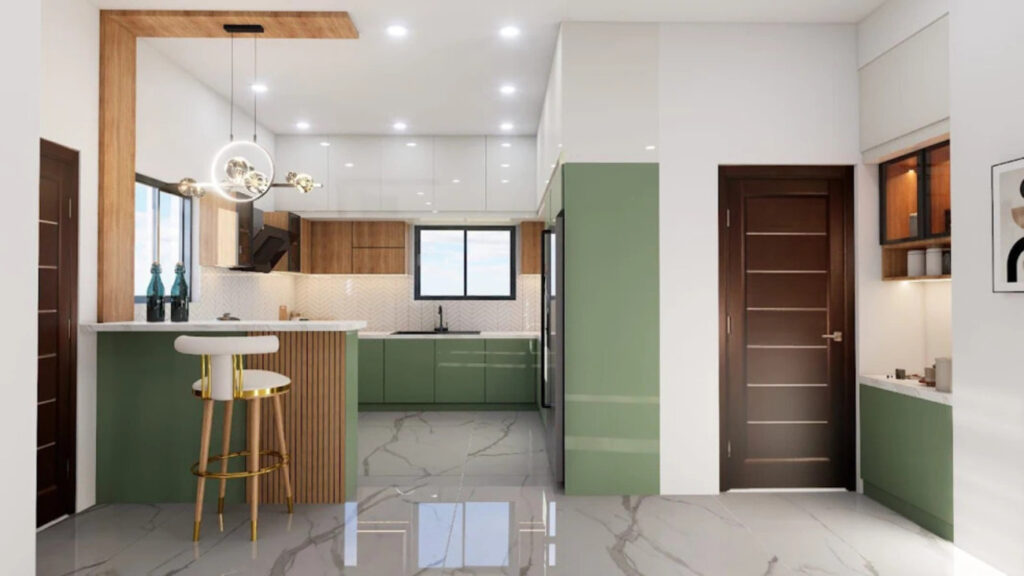

Minimalist interior design is one of the most recognized design approaches in modern homes. Characterized by simplicity, functionality, and thoughtful use of space, minimalism focuses on reducing visual clutter while maintaining comfort and practicality. Although often associated with contemporary interiors, the principles of minimalism can be applied to homes of different sizes and architectural styles.
This guide explains the core concepts of minimalist interior design, its key characteristics, common misconceptions, and practical ways to incorporate it into different areas of a home.
What Is Minimalist Interior Design?
Minimalist interior design is a style that emphasizes essential elements and removes unnecessary visual distractions. The concept is often summarized by the phrase “less is more,” which refers to prioritizing purpose and simplicity over excess decoration.
In a minimalist space, furniture, colors, materials, and decorative objects are selected carefully. Rather than filling a room with multiple design elements, the focus is on creating a balanced environment where each item serves a function or contributes to the overall design.
Common features of minimalist interiors include:
- Clean lines and simple forms
- Limited color palettes
- Functional furniture
- Open floor layouts
- Reduced decorative accessories
- Emphasis on natural light
Why Minimalist Design Has Become Popular
Several factors have contributed to the popularity of minimalist interior design. Urban living has led to smaller apartments and homes, increasing the need for efficient use of space. At the same time, many homeowners prefer interiors that are easier to organize and maintain.
Minimalism is also influenced by Scandinavian and Japanese design philosophies, both of which emphasize simplicity, functionality, and craftsmanship.
However, minimalist design is not suitable for every lifestyle. People who enjoy collecting decorative objects, displaying personal memorabilia, or using bold colors may prefer adapting minimalist principles rather than adopting the style completely.
Core Principles of Minimalist Interior Design
Simplicity
Simplicity is the foundation of minimalist design. Rooms typically contain only necessary furniture and decor, reducing visual distractions and creating a more organized appearance.
Functionality
Every item should have a purpose. Furniture is often selected based on usability rather than decoration alone. Storage solutions are commonly integrated into the design to help maintain organization.
Visual Balance
Minimalist interiors rely on balanced layouts rather than large numbers of decorative elements. Empty space is treated as an important design component and helps prevent rooms from feeling overcrowded.
Consistency
Colors, materials, and furniture styles are generally kept consistent throughout a space. This creates a cohesive appearance and reduces visual clutter.
Color Palettes in Minimalist Interiors
Minimalist interiors often use neutral colors because they create a calm and uniform appearance.
Common choices include:
- White
- Off-white
- Beige
- Gray
- Taupe
- Greige
- Soft earth tones
Neutral colors can also make smaller rooms appear larger by reflecting light more effectively. While bright accent colors are less common, they can still be incorporated through artwork, textiles, or furniture pieces.
Furniture Selection
Furniture in minimalist interiors is typically characterized by simple shapes and practical functionality.
Examples include:
- Low-profile sofas
- Platform beds
- Floating shelves
- Storage benches
- Modular seating
- Simple dining tables
The goal is not necessarily to own fewer pieces of furniture but to avoid unnecessary duplication and choose items that fit the available space.
Room-by-Room Applications
Living Room
A minimalist living room often includes essential furniture such as seating, a coffee table, and lighting. Decorative objects are usually limited, allowing architectural features and materials to become more noticeable.
Bedroom
Minimalist bedrooms prioritize functionality and comfort. Storage solutions are often used to reduce visible clutter, while bedding and furniture typically follow a restrained color palette.
Kitchen
Minimalist kitchens focus on organization and efficiency. Clear countertops, concealed storage, and streamlined cabinetry contribute to a clean appearance.
Home Office
A minimalist workspace aims to reduce distractions. Essential equipment is kept accessible, while unnecessary items are removed or stored out of sight.
Common Misconceptions About Minimalism
One common misconception is that minimalist interiors must be entirely white or empty. In reality, many minimalist homes incorporate natural materials, textures, and personal items to create warmth and visual interest while maintaining a clean and uncluttered appearance.
Another misconception is that minimalism automatically reduces costs. While fewer items may be purchased, homeowners often invest in durable furniture, quality materials, and long-lasting finishes, which can increase initial expenses. This is a factor frequently considered by homeowners and Interior Designers in Coimbatore when planning minimalist residential spaces.
Minimalism should also not be confused with the absence of personality. Personal preferences can still be expressed through artwork, books, textiles, indoor plants, or carefully selected decorative objects. The goal is not to remove character from a home but to ensure that every element serves a purpose and contributes to a balanced living environment.
Advantages and Limitations
Potential Advantages
- Easier organization
- Reduced visual clutter
- Simplified cleaning and maintenance
- Efficient use of space
- Timeless design characteristics
Potential Limitations
- May feel too restrained for some individuals
- Requires ongoing organization
- High-quality furnishings can be expensive
- Limited decorative elements may not suit every preference
Popular Variations of Minimalist Design
Scandinavian Minimalism
Focuses on light colors, natural materials, and functional furniture while maintaining a comfortable atmosphere.
Japandi Style
Combines Japanese and Scandinavian influences, emphasizing craftsmanship, natural textures, and practical design.
Modern Minimalism
Often incorporates sleek furniture, simple architectural details, and a monochromatic color palette.
Organic Minimalism
Uses natural materials such as wood, stone, linen, and plants to introduce texture while maintaining simplicity.
Conclusion
Minimalist interior design is centered on simplicity, functionality, and intentional use of space. Rather than following strict rules, the approach encourages homeowners to evaluate what is necessary and create environments that support their daily needs.
Whether applied to a single room or an entire home, minimalist principles can help improve organization, simplify maintenance, and create a more balanced living environment. The most effective minimalist interiors are not defined by how little they contain, but by how thoughtfully their elements are selected and arranged.