
For years, conversations about health have tended to separate people into categories. Physical symptoms belonged to one specialist. Emotional struggles belonged to another. Questions about purpose, values, or meaning were often left for private reflection. Today, that division feels increasingly incomplete. More people are looking for care that recognizes how closely these parts of life influence one another, especially during periods of stress, loss, or major life transition.
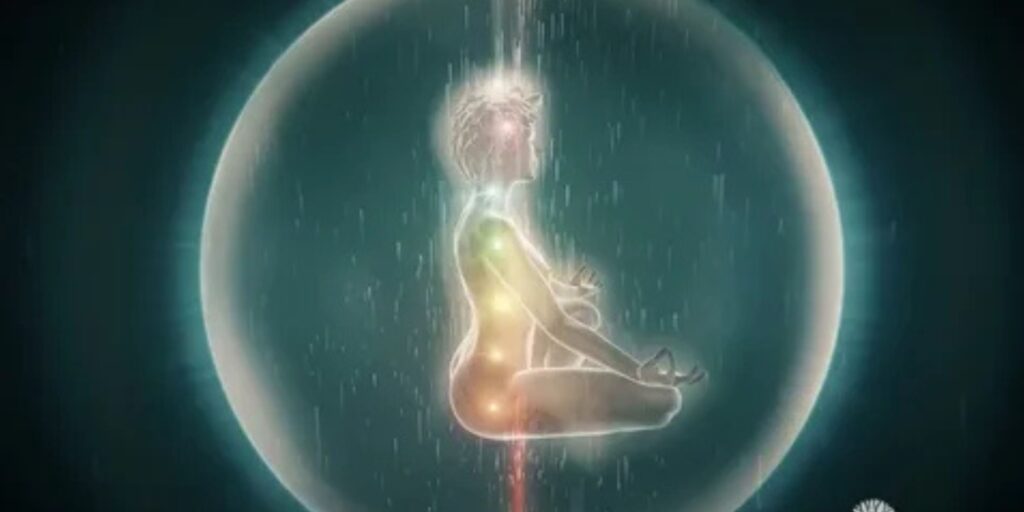
This shift helps explain the growing interest in mind body spirit healing. Rather than viewing well-being as a collection of separate systems, this perspective recognizes that our thoughts, emotions, physical experiences, relationships, and sense of meaning continuously interact. For many people, healing becomes less about fixing one part of themselves and more about cultivating greater awareness, connection, and authenticity across the whole of their lives.
Whole-Person Care Is Becoming the New Expectation
Healthcare is gradually moving toward more integrated models of care. Mental health professionals increasingly collaborate with primary care providers, physical therapists, and other specialists, reflecting a broader understanding that emotional and physical well-being rarely exist in isolation.
At the same time, people are asking different questions than they did a decade ago. They are not only looking for symptom relief. They also want to understand how stress affects the nervous system, why familiar patterns continue to appear, and what it means to feel genuinely connected to themselves again.
This evolution represents more than a passing trend. It reflects changing expectations about what meaningful care can look like.
What Mind-Body-Spirit Healing Really Means
The phrase mind-body-spirit healing can sometimes create confusion because it means different things to different people. In a therapeutic setting, it does not require a particular belief system or religious tradition.
Instead, it acknowledges that emotional well-being is influenced by multiple dimensions of human experience. Thoughts shape emotions. Physical sensations influence perception. Relationships affect our sense of safety and belonging. Personal values often guide how we make meaning of difficult experiences.
Exploring these connections allows therapy to address the person as a whole rather than focusing on isolated symptoms.
Where Trauma and Spirituality Intersect
One area receiving growing attention is the relationship between trauma and spirituality. For some people, trauma deepens spiritual questions about identity, purpose, or belonging. Others may find that difficult experiences challenge long-held beliefs or alter the ways they understand themselves and the world around them.
Therapy does not seek to answer those questions on behalf of clients. Instead, it creates space to explore them with curiosity and respect.
For individuals whose spirituality plays an important role in their lives, that aspect of identity can become a valuable resource for resilience, hope, and meaning. For others, the therapeutic process may simply involve discovering new ways to relate to themselves with greater compassion and presence.
Healing Often Begins with Awareness
Modern culture encourages people to solve problems quickly. Yet many meaningful changes begin by slowing down enough to notice experiences that have long remained outside awareness.
This might involve recognizing how stress is held within the body, observing emotional responses without immediate judgment, or becoming curious about patterns that once felt automatic.
These moments rarely appear dramatic. Over time, however, they can expand a person’s capacity to respond with greater agency rather than simply reacting from familiar survival strategies.
The Future of Well-Being Is More Connected
As conversations around mental health continue to evolve, people increasingly expect therapy to honor the complexity of being human. They want approaches that recognize the importance of relationships, nervous system regulation, emotional awareness, and personal meaning without reducing healing to a single technique or philosophy.
That is why interest in mind-body-spirit healing continues to grow. It reflects a broader cultural movement toward integration instead of separation, curiosity instead of judgment, and connection instead of performance. As understanding of trauma and spirituality continues to deepen, one idea remains especially relevant: healing is rarely about becoming someone new. More often, it is about rediscovering the capacity for presence, resilience, and authentic connection that has been there all along, waiting to be experienced with greater awareness and compassion.