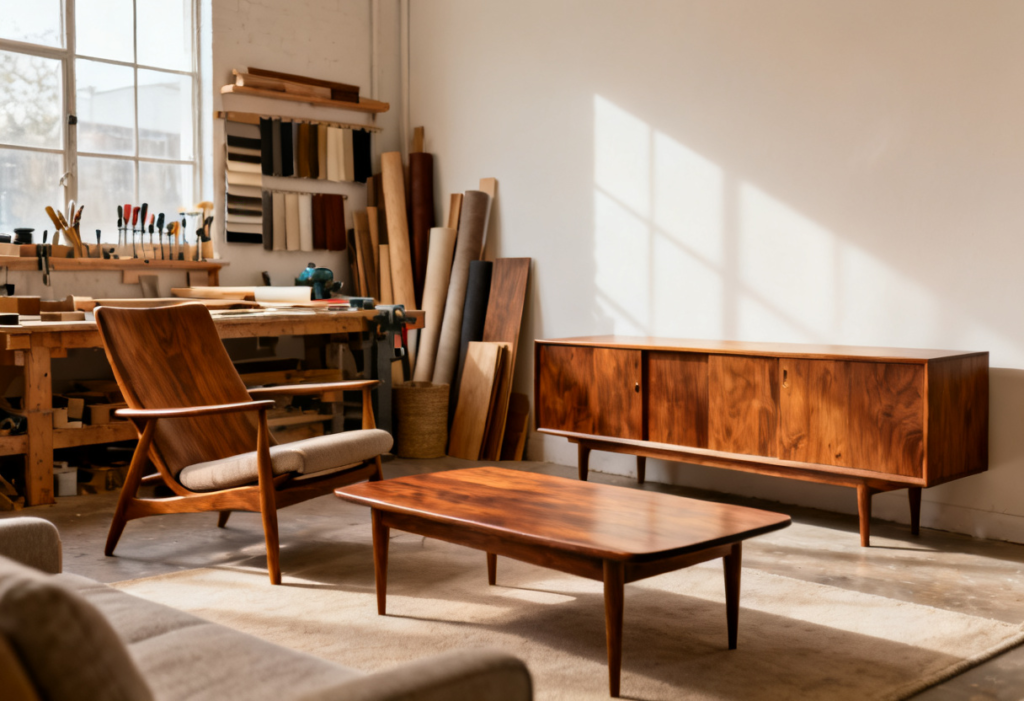

Teak furniture has a reputation for being timeless, durable, and naturally beautiful. Whether it’s a Danish-inspired sideboard or a classic dining table, well-made teak pieces are central to many collections of midcentury modern furniture. However, restoring these pieces requires a careful balance—too much intervention and you risk losing the warmth, patina, and authenticity that make them valuable in the first place.
For anyone interested in mcm furniture restoration or working within the field of furniture restoration Melbourne, understanding how to preserve original character is just as important as repairing damage. This guide walks you through the correct approach to restoring teak while respecting its design heritage.
1. Why Teak Furniture Is Worth Restoring
Teak has long been a preferred material in mid-century design because of its strength, natural oils, and rich golden-brown tone. Unlike many other woods, it resists warping and decay, which is why so many vintage pieces still survive today.
But the true value of teak furniture isn’t just durability—it’s character. Over time, teak develops a soft patina that reflects years of use. This aging process adds depth and authenticity that modern reproductions often struggle to replicate.
Restoring teak furniture is not about making it look brand new. Instead, it’s about revealing its original craftsmanship while preserving the subtle marks of history. A well-restored piece maintains its place in the world of midcentury modern furniture, where authenticity matters more than perfection.
2. Understanding Original Mid-Century Finishes
Before touching any surface, it’s essential to understand how teak furniture was originally finished. Most mid-century designers used either oil finishes or a very light lacquer, allowing the wood to breathe and age naturally.
This is where many restoration mistakes happen. Over-sanding or stripping away too much of the original surface removes the soft glow that defines authentic mcm furniture. Instead of enhancing value, it can actually reduce it.
Key characteristics of original finishes include:
- A natural matte or satin appearance
- Visible grain patterns with depth
- Slight color variation due to aging
- A smooth but not overly polished surface
When assessing a piece, always ask: does it need restoration, or just gentle rejuvenation? In many cases, a deep clean is more appropriate than a full refinish.
3. Step-by-Step Cleaning and Preparation
Proper preparation is the foundation of any successful teak restoration. The goal is to remove dirt, grease, and old wax buildup without damaging the original surface.
Start with a mild cleaning solution made from warm water and a small amount of natural soap. Use a soft cloth and gently wipe the surface. Avoid soaking the wood, as teak can still absorb moisture in vulnerable areas.
For older pieces often seen in furniture restoration Melbourne projects, you may encounter layers of wax or polish buildup. In these cases, mineral spirits applied lightly with a cloth can help break down residues without stripping the wood.
Once cleaned:
- Let the piece dry fully for at least 24 hours
- Inspect for cracks, stains, or loose joints
- Avoid sanding unless absolutely necessary
Preparation should always be minimal and controlled. The more original surface you preserve here, the better the final result will reflect the piece’s heritage.
4. Repairing Damage Without Over-Restoring
One of the biggest challenges in teak restoration is deciding how far to go with repairs. While structural issues should always be addressed, cosmetic “flaws” often contribute to the charm of midcentury modern furniture.
Common issues include:
- Small surface scratches
- Minor veneer chips
- Loose joints
- Water rings or heat marks
For scratches, a light application of teak oil can often reduce visibility without sanding. Deeper marks may require careful filling using a wood-compatible filler that matches the grain.
Loose joints should be reglued using high-quality wood adhesive, but avoid replacing original components unless absolutely necessary. The goal is stability, not replacement.
It’s important to resist the temptation to make everything flawless. In authentic mcm furniture, subtle imperfections often tell the story of the piece and contribute to its value.
5. Refinishing Techniques That Preserve Character
Refinishing is where most restorations either succeed or lose authenticity. The key principle is restraint. Teak should never look plastic, overly glossy, or artificially uniform.
There are three common approaches:
Light Oil Restoration
Using teak oil is one of the safest methods. It enhances the natural grain while preserving the original tone. Apply sparingly, allow absorption, and buff gently.
Wax Finishing
A beeswax-based finish adds a soft sheen and protects the surface. It is ideal for maintaining a vintage look while providing light protection.
Minimal Sand-and-Refinish
Only used when the surface is heavily damaged. If sanding is required, it should be extremely light and always follow the grain. Over-sanding removes decades of patina in minutes.
Professionals working in furniture restoration Melbourne often combine oil and wax finishes to strike a balance between protection and authenticity. The goal is always to enhance, not transform.
6. Long-Term Care for Restored Teak
Once your teak furniture has been restored, ongoing care becomes essential to preserve its condition and character. Fortunately, teak is relatively low-maintenance compared to other hardwoods.
To maintain restored pieces:
- Dust regularly with a soft, dry cloth
- Avoid harsh chemical cleaners
- Keep away from direct sunlight for long periods
- Reapply teak oil or wax sparingly every 6–12 months
Environmental stability is also important. Excess humidity or dryness can affect wood movement over time. Keeping furniture in a consistent indoor environment helps preserve both structure and finish.
For collectors of midcentury modern furniture, maintenance is not just upkeep—it’s part of protecting long-term value. A well-cared-for piece will continue to age gracefully, gaining character rather than losing it.
Final Thoughts
Restoring teak furniture is as much about understanding design philosophy as it is about technical skill. The beauty of mcm furniture lies in its balance between simplicity and warmth, and any restoration should respect that balance.
Whether you are working on a personal heirloom or involved in professional furniture restoration Melbourne projects, the guiding principle remains the same: preserve what makes the piece authentic.
Teak does not need to be perfected—it needs to be respected. When restored thoughtfully, it continues to tell its story for generations to come.