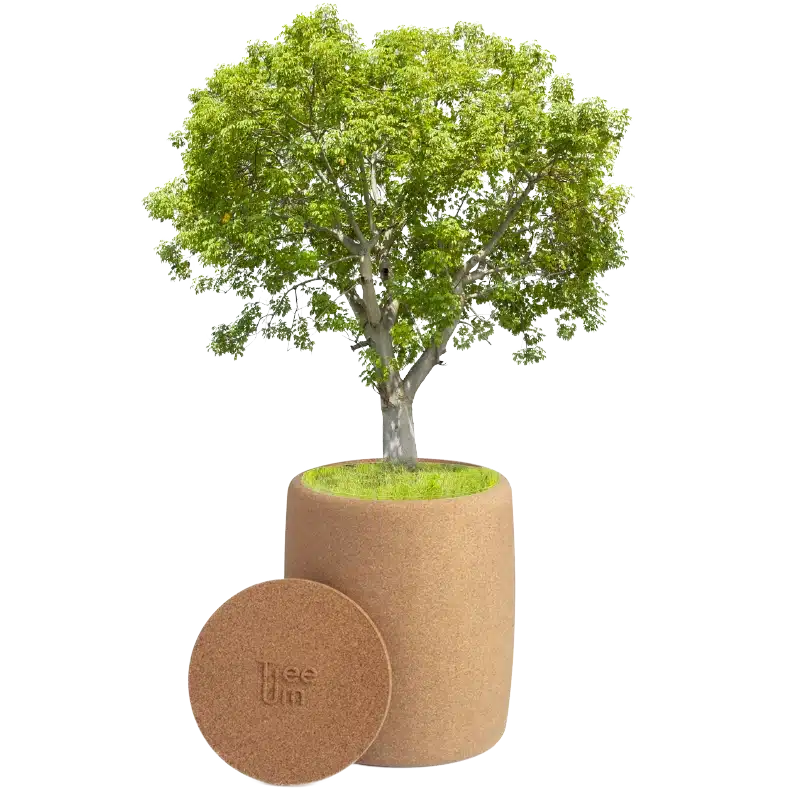

The selection of a final resting vessel is a highly individual matter. However, many families nowadays prefer to choose the options which will respect their deceased one and the planet. The biodegradable urn for human ashes has thus become a significant replacement for traditional urns.
These urns allow the ashes to be returned to nature in a gradual manner. They will eventually decompose without any harmful chemical residue. The easiest way to come to terms with their nature of being completely eco-friendly is to analyze the input materials in detail.
This very guide will reveal the most frequently used materials for biodegradable urns for human ashes, their respective functioning and what makes them appropriate for eco-conscious burial.
What Really Qualifies an Urn to be Biodegradable?
The natural substances derived from which a biodegradable urn is made will undergo the decomposition process by soil, water or natural environmental happenings. Moreover, these materials are non-toxic and will not last long as waste in the environment.
The urn should either dissolve or break down in a safe way while the ashes get intermixed with the earth or water. This quality renders the biodegradable urn for human ashes perfect for green burials, tree memorials and water ceremonies.
Recycled Paper and Paper Pulp:
Recycled paper remains one of the most common materials employed in the making of biodegradable urns. This material is light, natural and easily moldable.
The process for crafting these urns involves compressing recycled paper fibers into a solid form. Natural binding agents are responsible for keeping the structure intact without the use of chemicals.
Paper urns, once disposed of in soil, will undergo decomposition within a short period of time. These urns also dissolve quite gently in water, thus making them fitting for water ceremonies.
They are often chosen for their simplicity and affordability. Their natural appearance can also be customised with eco-friendly paints or engravings.
Salt-Based Materials
Salt urns are crafted from compressed natural salt. This material is especially popular for water burials.
Salt dissolves completely in water. It leaves no trace behind and blends seamlessly with natural aquatic environments.
A biodegradable urn for human ashes made from salt remains solid until it comes into contact with water. Once submerged, it begins dissolving almost immediately.
Salt urns are strong, dignified and visually elegant. They are ideal for ocean, river or lake memorials.
Sand and Natural Minerals
Sand-based urns are created using a mixture of sand and biodegradable binding agents. The result is a study structure with a natural stone-like appearance.
These urns are suitable for both burial and water ceremonies. Over time, they erode and return to their basic mineral form.
Sand urns symbolise returning to the earth. Their organic look appeals to families who want something natural but refined.
They also resist moisture for a short period, allowing time for ceremonial handling.
Cornstarch and Plant Starch
Cornstarch is a renewable, plant-based material that biodegrades efficiently. When used in urns, it creates a smooth and durable form.
Cornstarch urns break down naturally when buried in soil. Microorganisms convert the material into water and carbon dioxide.
This type of biodegradable urn for human ashes is often used for land burials and memorial gardens. It aligns well with eco-friendly values and sustainable living principles.
Plant starch urns are also lightweight, making transportation and handling easier.
Bamboo Fiber
Bamboo is a fast growing and highly sustainable resource. Bamboo fiber urns combine strength with natural beauty.
These urns are created using bamboo pulp or fibers pressed into shape. No harmful chemicals are involved in the process.
Bamboo fiber urns decompose naturally when buried. They enrich the soil rather than polluting it.
Their smooth texture and natural grain make them visually appealing. Many families choose bamboo for its symbolism of peace and renewal.
Coconut Shell and Husk
Coconut shells and husks are another natural option used in biodegradable urns. These materials are agricultural by-products, making them highly sustainable.
Coconut-based urns are sturdy and have a distinctive organic appearance. They biodegrade gradually, making them ideal for soil burials.
Over time, the shell breaks down and becomes part of the earth. This slow process appeals to families who prefer gentle transition back to nature.
A biodegradable urn for human ashes made from coconut materials often represents life cycles and natural continuity.
Clay and Natural Earth
Unfired clay is sometimes used in biodegradable urns. Unlike glazed ceramic, natural clay dissolves back into soil over time.
These urns are shaped by hand or molded using traditional techniques. They contain no synthetic finishes.
Clay urns are ideal for burial in natural grounds. Rain and soil moisture gradually soften the structure.
They offer a timeless and earthly aesthetic. Many people find comfort in the simplicity of clay as a return to the elements.
Wood and Sawdust Composites
Some biodegradable urns are made from compressed sawdust or untreated softwood fibers. These materials come from renewable or recycled wood sources.
They are bound together using natural resins. This keeps the urn intact without slowing decomposition.
Wood-based urns biodegradable naturally when buried. They are best suited for land memorials rather than water ceremonies.
Their warm appearance and natural grain provide a traditional yet eco-friendly option.
Plant -Integrated Urns
Certain biodegradable urns are designed to support new life. These urns include compartments for seeds or saplings.
The materials used are usually paper coconut fiber or cornstarch. As the urn decomposes, it nourishes the soil.
This type of biodegradable urn for human ashes is often chosen for tree memorials. It symbolises renewal, growth and remembrance.
Families find comfort in knowing that life continues through nature.
Conclusion
Understanding the materials used in a biodegradable urn for human ashes helps families make informed decisions. Each material offers a unique balance of durability, symbolism and environmental harmony.