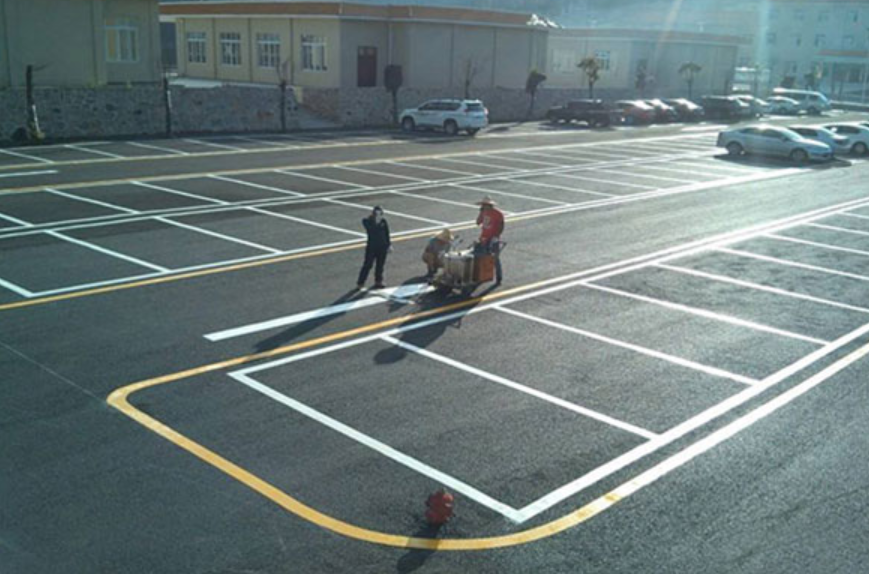

Keeping your parking lot tidy, safe, and visually appealing is essential for property owners, business managers, and contractors. A well-striped parking lot does more than just look good—it improves traffic flow, enhances safety, and ensures accessibility compliance. The process of painting stripes on parking lots plays a crucial role in maximizing space and creating a positive first impression for visitors. In this guide, we’ll break down why striping matters and how to do it effectively.
Understanding the Importance of Parking Lot Striping
Safety
Clear and visible parking lines help drivers understand where to park and how to navigate the space. This reduces confusion and significantly lowers the chances of accidents. Proper markings also guide pedestrians, making the environment safer for everyone using the lot.
Accessibility Compliance
Parking lot striping is essential for meeting ADA (Americans with Disabilities Act) requirements. This includes clearly marked accessible parking spaces, appropriate signage, and designated pathways. Failing to comply can lead to penalties and inconvenience for users who rely on accessible facilities.
Enhanced Curb Appeal
A freshly striped parking lot creates a neat and professional look. Since parking areas are often the first point of contact for customers, a clean and organized lot reflects positively on your business and builds trust.
Optimal Space Utilization
Efficient striping ensures maximum use of available space. With proper planning, you can accommodate more vehicles without compromising safety or accessibility, which is especially important for high-traffic areas.
Steps to Effectively Paint Stripes on a Parking Lot
Preparation and Planning
Before starting, it’s important to create a clear layout plan. Determine the size and number of parking spaces, traffic direction, and special zones such as loading areas or accessible spots. Inspect the pavement for cracks, potholes, or damage and repair them beforehand. Cleaning the surface thoroughly ensures that the paint adheres properly and lasts longer.
Selecting the Right Materials
Using high-quality materials is key to durability and visibility. Choose weather-resistant paint specifically designed for asphalt or concrete surfaces. Water-based and oil-based paints are both common, depending on your needs. Stencils are helpful for consistent markings such as arrows, numbers, and symbols. Investing in a reliable striping machine ensures straight lines and a professional finish.
Execution: Painting the Stripes
Start by marking guidelines with chalk or temporary paint to ensure accuracy. This step helps prevent mistakes and keeps lines straight. Once marked, use a striping machine to apply paint evenly along the guidelines. Apply steady pressure for consistent thickness, and consider multiple coats for better durability and visibility, especially in high-traffic areas.
Ensuring Compliance and Quality Control
After painting, review the entire parking lot to ensure it meets all regulatory standards. Check that accessible spaces are properly marked and spaced according to ADA guidelines. Inspect the lines for straightness, uniform spacing, and clarity. Allow sufficient drying time before reopening the lot to traffic to avoid smudging or damage.
Maintenance and Re-striping
Parking lot stripes fade over time due to weather conditions, vehicle traffic, and general wear and tear. Regular maintenance is necessary to keep markings visible and effective. Schedule periodic inspections to identify areas that need touch-ups or complete re-striping. Typically, parking lots should be restriped every 1–2 years, depending on usage. Prompt maintenance not only preserves safety but also saves money in the long run by preventing larger repairs.
Future Trends in Parking Lot Striping
Sustainable Materials
Eco-friendly paints with low environmental impact are becoming more popular. These options reduce harmful emissions while still providing durability and visibility.
Reflective Striping
Reflective paints and materials improve visibility at night and during poor weather conditions, enhancing safety for both drivers and pedestrians.
Smart Parking Solutions
Technology is transforming parking management. Sensors, automated systems, and digital signage are being integrated into parking lots to optimize space usage and guide drivers efficiently.
Conclusion
Painting stripes on parking lots is a vital aspect of property maintenance that goes far beyond aesthetics. It directly impacts safety, accessibility, and efficiency while also enhancing the overall appearance of your property. By following proper planning, using quality materials, and maintaining regular upkeep, you can ensure your parking lot remains functional and visually appealing for years to come. Investing in professional striping services or adopting best practices will help you create a safer and more organized environment for everyone.