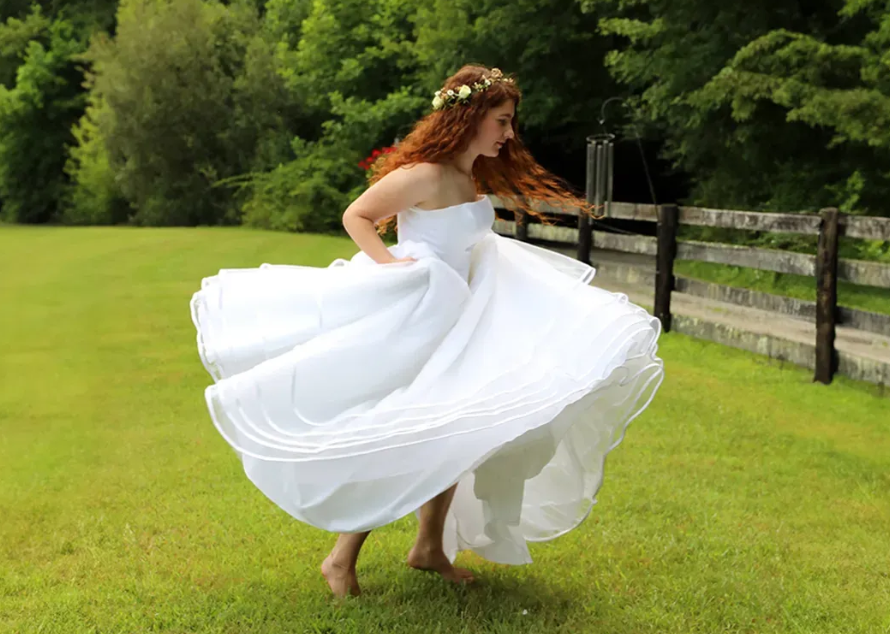

Planning a wedding is a big deal, filled with excitement but also often accompanied by the stress of staying within a budget. These days, more couples are embracing DIY wedding planning as a fun and budget-friendly way to make their special day truly their own. Whether you’re just kicking off your planning journey or looking for ways to refine your approach, this guide is packed with essential tips and practical ideas to help you create a beautiful wedding without stretching your finances.
Why Choose DIY Wedding Planning?
Opting for DIY wedding planning gives couples the chance to add their personality into every detail, resulting in a celebration that feels intimate and one-of-a-kind. Instead of following a standard package offered by vendors, you have full creative control over décor, themes, music, food presentation, and even the ceremony structure.
Another major benefit is cost savings. Weddings can quickly become expensive, especially when hiring planners and premium vendors. By handling certain elements yourself—like décor, invitations, and favors—you can significantly reduce expenses. Beyond money, there’s also a deep sense of satisfaction that comes from seeing your vision come to life through your own efforts.
Essential DIY Wedding Planning Tips
1. Start with a Clear Vision
Before diving into bookings and purchases, sit down together and discuss your wedding vision. Do you imagine a rustic outdoor ceremony, a minimalist modern celebration, or a romantic garden theme? Decide on colors, mood, and overall style early on. Having clarity from the beginning prevents impulse spending and keeps every decision aligned with your theme.
2. Create a Realistic Budget
Establishing a detailed budget is one of the most important steps in the planning process. Break down expenses into categories such as venue, catering, attire, décor, photography, and entertainment. Always set aside a small emergency fund for unexpected costs.
You can use spreadsheets or budget-tracking apps to monitor expenses in real time. Staying organized financially ensures that you don’t overspend in one area and struggle in another.
3. Prioritize Your Must-Haves
Not everything needs to be extravagant. Identify the elements that matter most to you. For some couples, photography is non-negotiable. For others, it may be live music or gourmet catering. When you clearly define your priorities, it becomes easier to allocate funds wisely and cut back on less important details.
Effective Budget Management Strategies
DIY Decorations
Handmade decorations can dramatically reduce costs. From centerpieces made with seasonal flowers to custom signage and table numbers, there are countless tutorials available online. Craft stores often provide affordable materials, and bulk purchasing helps save even more.
Second-Hand Finds
Consider buying pre-loved wedding items such as dresses, décor pieces, or furniture accents. Many couples sell their gently used items after their big day at a fraction of the original price. This approach not only saves money but also adds unique character to your wedding.
Digital Invitations
Printing and mailing invitations can be surprisingly expensive. Digital invitations are stylish, customizable, and eco-friendly. Many online platforms offer elegant templates that match different themes while helping you save on printing and postage.
Creating a Personalized Wedding Experience
One of the biggest advantages of DIY wedding planning is personalization. Writing your own vows adds emotional depth to your ceremony. Designing custom wedding favors—such as handmade candles or personalized thank-you notes—creates meaningful memories for guests.
You can also include elements that represent your journey as a couple, such as a photo timeline display or a signature drink inspired by your first date. These thoughtful details make your wedding feel authentic and heartfelt.
Stress Reduction Techniques During Planning
Wedding planning can feel overwhelming, especially when balancing work and personal life. Managing stress is just as important as managing your budget.
Delegate Tasks
You don’t have to do everything alone. Assign responsibilities to trusted friends and family members. Whether it’s coordinating décor setup or managing guest check-ins, sharing the workload makes the process smoother.
Create a Timeline
Break the planning process into monthly goals. Clear deadlines prevent last-minute panic and ensure everything progresses steadily.
Practice Self-Care
Incorporate stress-relief habits like meditation, light exercise, or short breaks from wedding talk. Maintaining mental well-being helps you enjoy the journey rather than feeling pressured by it.
Essential Wedding Planning Checklist
A structured checklist keeps everything organized:
-
12 Months Before: Set a budget, choose a date, and book your venue.
-
9 Months Before: Finalize the guest list, send save-the-dates, and shop for attire.
-
6 Months Before: Order the cake, book accommodations, and confirm ceremony details.
-
3 Months Before: Send invitations, finalize the menu, and reconfirm vendor bookings.
-
1 Month Before: Obtain your marriage license, attend final fittings, and confirm RSVPs.
Conclusion
DIY wedding planning empowers couples to design a celebration that reflects their love story while staying financially responsible. With thoughtful budgeting, creativity, and proper organization, you can create a meaningful and memorable event without overspending. Remember, the true essence of your wedding lies in your commitment to each other. With careful planning and personal touches, your dream wedding is absolutely within reach.