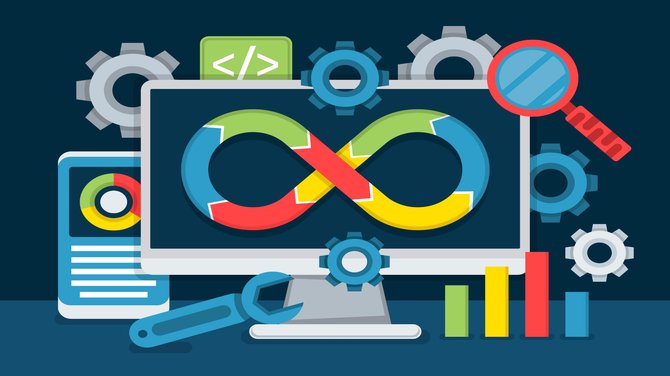

DevOps continues to be one of the most sought-after career paths in tech. In 2026, the role has evolved, the toolchain has expanded, and expectations are higher than ever. If you’re wondering whether it’s possible to learn DevOps in three months, the short answer is yes — but with some important conditions on goals, commitment, and learning strategy.
What “Learn DevOps” Really Means
DevOps isn’t a single technology. It’s a set of practices, culture, and tools that help teams build, test, deploy, and monitor software efficiently. A full DevOps engineer role touches on cloud platforms, automation, system administration, continuous integration and delivery, containers, monitoring, security and more.
Because of that scope, three months isn’t enough to master everything. What is realistic in that timeframe is gaining a strong foundation, understanding core concepts, and completing a few key hands-on projects that show you know how to apply what you learned.
What You Can Achieve in 90 Days
With a structured plan and daily effort, you can complete the basics that most employers expect for entry-level or junior roles. That includes:
- Core Concepts
Start with understanding what DevOps is, why it matters, and how development and operations teams work together. Learn the mindset of automation, collaboration, and continuous improvement.
- Version Control
Git and platforms like GitHub or GitLab are essential. You need to be fluent with commits, branches, merges, pull requests and basic collaboration workflows.
- Linux and Scripting
Most DevOps tasks run on Linux servers. Knowing basic Linux commands, shell scripting, and terminal skills sets you up for automation and troubleshooting.
- Containers
Docker is typically the first container platform you learn. It’s critical for packaging applications in a way that makes deployment predictable.
- CI/CD Basics
Learn how to automate software builds and deployments with tools like Jenkins, GitHub Actions, or GitLab CI. Understanding pipelines is a core skill in DevOps.
- Cloud Introduction
Start with one cloud provider (AWS, Azure or Google Cloud). Focus on compute, storage, identity and networking basics.
- A Capstone Project
In the final weeks, put everything together. Build a simple application, containerize it, set up a CI/CD pipeline, deploy on cloud, and add basic monitoring. This project becomes your portfolio piece when applying for jobs.
What Comes After 3 Months
Once you finish your initial learning path, you’ll be ready for junior DevOps or cloud-focused roles, internships, or part of cross-functional teams. But growth doesn’t stop there. True mastery in areas like Kubernetes, advanced automation, infrastructure as code (Terraform), security, and large-scale systems comes with ongoing learning and real-world experience.
DevOps continues to be one of the most in-demand technology skill sets in 2026, driven by rapid cloud adoption, automation-first development, and the need for faster, more reliable software delivery. As companies increasingly rely on CI/CD pipelines, containerization, and cloud infrastructure, many learners are asking a very practical question:
Can you really learn DevOps in 3 months?
This question is especially common among freshers, final-year students, and working professionals exploring structured training options such as a DevOps Course in Pune to switch into high-growth tech roles without spending years retraining.
Ready to start your DevOps journey?
Get hands-on training, real projects, and career support with industry-focused DevOps courses.
Call : 7498992609 | 7058987273
Take the first step toward a future-ready DevOps career today.
In 2026, DevOps has become a core requirement across industries, not just in large tech companies. Organizations now expect faster deployments, stable systems, and automated workflows as a standard part of software delivery. This has increased demand for DevOps-ready professionals at the entry and junior level, especially among freshers, final-year students, and working professionals looking to transition into cloud and automation roles.
At the same time, learners are under pressure to upskill quickly. With countless online tutorials and short-term programs promising fast results, many people want to know whether 3 months is genuinely enough to start a DevOps career. Understanding what the industry realistically expects in 2026 – and how much of that can be learned in a focused timeframe – helps learners make informed decisions and avoid unrealistic expectations.