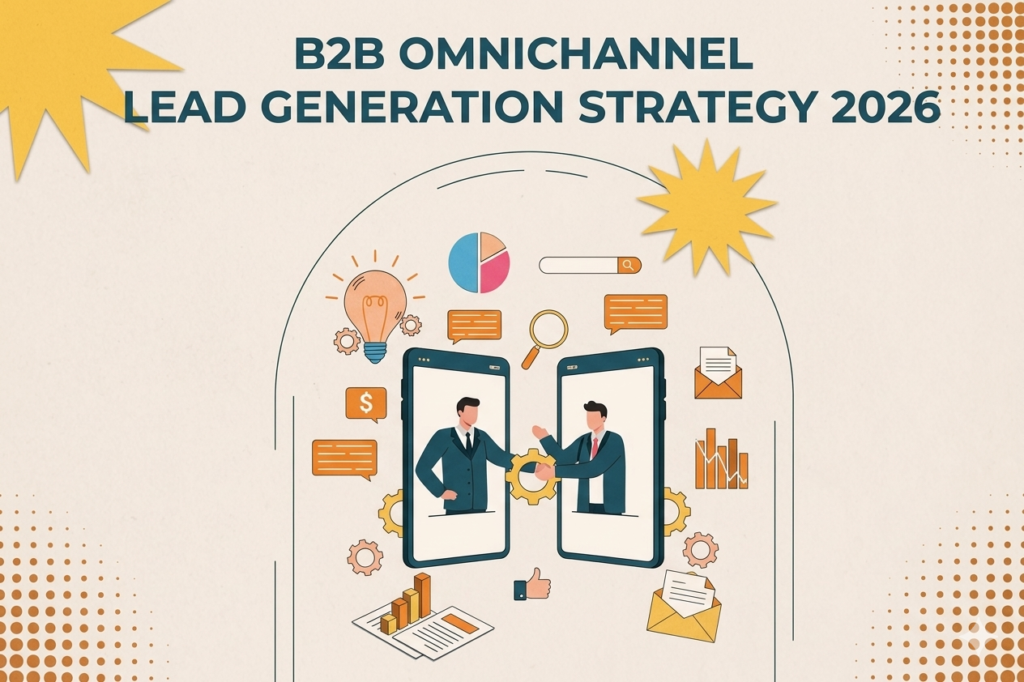

In the rapidly evolving world of B2B marketing, lead generation is no longer confined to a single channel or strategy. By 2026, businesses must adopt a truly omnichannel approach—integrating online and offline touchpoints—to engage prospects effectively and drive conversions. The key lies in combining data-driven insights, personalized messaging, and seamless customer experiences across all channels.
Why Omnichannel Lead Generation Matters
The modern B2B buyer interacts with brands across multiple platforms before making a purchasing decision. From LinkedIn messages to email campaigns, webinars, live events, and even AI-powered chatbots, each touchpoint plays a crucial role in shaping buyer behavior. Companies that fail to provide a consistent and personalized experience across channels risk losing potential leads to competitors who can.
Omnichannel lead generation ensures that your brand stays visible, relevant, and engaging at every stage of the buyer’s journey. It’s not just about presence—it’s about coordinated messaging, unified data, and strategic follow-ups. The more seamless the experience, the stronger the trust and engagement with potential buyers.
Tactics That Work in 2026
- Leverage AI-Powered Personalization
By 2026, AI-driven marketing tools will dominate B2B lead generation. These tools analyze buyer behavior across channels, enabling marketers to deliver hyper-personalized content. For instance, AI can suggest which case studies, whitepapers, or product demos a prospect is most likely to engage with, increasing the chances of conversion. Additionally, predictive analytics can anticipate which leads are most likely to convert, helping teams prioritize efforts effectively. - Integrate Social Media with Sales Outreach
LinkedIn, X (formerly Twitter), and industry-specific platforms remain essential for B2B networking. Successful campaigns coordinate social media engagement with email and direct outreach, ensuring prospects receive relevant content on multiple fronts. Using social listening tools can also uncover pain points and trending topics to inform messaging. Interactive content, such as polls or live Q&A sessions, can further boost engagement and make your brand more approachable. - Hybrid Events and Webinars
Virtual events are here to stay, but 2026 favors hybrid models that combine in-person and online experiences. Hybrid webinars allow brands to capture leads from a wider audience while providing personalized interactions. Follow-ups using tailored content or one-on-one consultations can nurture these leads effectively. Adding gamification elements or exclusive offers during these events can also improve participation and lead quality. - Account-Based Marketing (ABM) with Omnichannel Touchpoints
ABM continues to gain traction as a highly targeted lead generation strategy. By identifying high-value accounts and orchestrating coordinated campaigns across email, social media, paid ads, and direct outreach, B2B marketers can create a more meaningful impact. ABM strategies that leverage omnichannel insights often see higher engagement and conversion rates. The integration of AI can also help dynamically adjust campaigns based on engagement data, ensuring messaging stays relevant. - Automated Lead Scoring and Nurturing
Automation tools help prioritize leads based on their engagement across channels. By tracking interactions—website visits, content downloads, email opens, and social engagement—marketing teams can score leads accurately and send them down the appropriate nurturing paths. This ensures sales teams focus on the most promising prospects, improving efficiency and ROI. Furthermore, automated workflows can trigger personalized follow-ups, reducing response times and enhancing the prospect’s experience.
Measuring Success
In 2026, omnichannel lead generation success depends on data integration and analytics. Consolidating data from multiple touchpoints into a single dashboard allows teams to understand which channels, content types, and campaigns generate the highest-quality leads. Key metrics to monitor include lead conversion rate, engagement score, cost per lead, and pipeline velocity. Additionally, tracking customer journey touchpoints can reveal gaps in the experience and help refine messaging for even higher engagement.
Final Thoughts
B2B lead generation in 2026 is not about spreading efforts thin across every available channel. It’s about strategically orchestrating touchpoints, personalizing interactions, and leveraging AI and automation to deliver consistent and meaningful experiences. Companies that master these tactics will not only generate more leads but also foster stronger relationships, better conversions, and long-term growth. By keeping an eye on emerging channels, adopting AI-driven insights, and continuously refining their omnichannel approach, businesses can stay ahead in a competitive B2B landscape.
Read More: https://intentamplify.com/blog/b2b-omnichannel-lead-generation-a-practical-guide-for-2025/