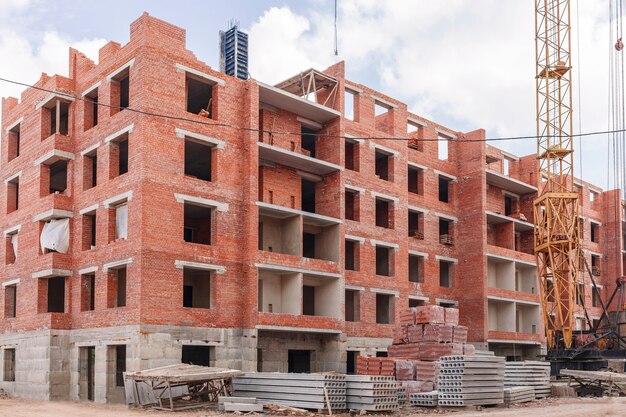

In construction projects, accurate cost planning is essential for successful project execution. Masonry estimating plays a critical role in determining the exact quantities and costs of materials used in masonry work such as bricks, concrete blocks, stones, and mortar. A precise masonry estimate helps contractors prepare competitive bids, control project budgets, and avoid costly material shortages or waste.
Whether it is a residential home, commercial building, or industrial structure, professional masonry estimating ensures that construction projects are completed efficiently and within budget.
What is Masonry Estimating?
Masonry estimating is the process of calculating the quantities, materials, labor, and total costs required for masonry construction. Estimators analyze architectural drawings and construction plans to determine the amount of bricks, blocks, stones, mortar, and reinforcement materials needed for a project.
This detailed analysis helps contractors understand the overall cost of masonry work before construction begins.
Materials Included in Masonry Estimating
A comprehensive masonry estimate includes several types of construction materials used in structural and decorative masonry.
Brick Masonry
Brick masonry estimating calculates the number of bricks, mortar, and labor required for walls, facades, partitions, and structural components.
Concrete Block Masonry (CMU)
Concrete Masonry Units (CMU) are commonly used in commercial and industrial buildings. Estimators calculate block quantities, reinforcement, grout, and mortar required for block walls.
Stone Masonry
Stone masonry estimating includes natural and manufactured stones used for walls, veneers, and architectural finishes.
Mortar and Accessories
Mortar is essential for bonding masonry units. Estimating also includes accessories such as:
-
Reinforcement bars
-
Wall ties
-
Joint reinforcement
-
Flashing
-
Insulation
Why Masonry Estimating is Important
Accurate Project Budgeting
Masonry work represents a significant portion of construction costs. Accurate estimates help contractors manage budgets effectively.
Competitive Construction Bidding
Detailed masonry estimates enable contractors to submit precise and competitive bids for construction projects.
Reduced Material Waste
Correct quantity takeoffs prevent over-ordering or shortages of masonry materials.
Efficient Project Planning
Knowing the exact quantities of bricks, blocks, and stones helps in scheduling labor and material deliveries efficiently.
Masonry Estimating Process
Professional masonry estimators follow a systematic process to ensure accuracy.
1. Blueprint and Drawing Review
Estimators review architectural drawings, structural plans, and specifications to identify all masonry elements in the project.
2. Quantity Takeoff
Using digital takeoff tools, estimators measure and calculate the quantities of bricks, blocks, stones, and mortar required.
3. Material Cost Calculation
Current market prices are applied to the material quantities to determine the total cost.
4. Labor Cost Estimation
Labor costs for masonry installation, finishing, and reinforcement are calculated based on project size and complexity.
5. Final Estimate Report
A detailed report is prepared that includes:
-
Material quantities
-
Unit prices
-
Labor costs
-
Equipment costs
-
Total masonry construction cost
Types of Projects That Require Masonry Estimating
Masonry estimating services are essential for many construction projects, including:
Residential Construction
-
Houses
-
Apartment buildings
-
Residential walls and facades
Commercial Construction
-
Office buildings
-
Retail stores
-
Shopping centers
-
Hotels
Industrial Construction
-
Warehouses
-
Manufacturing facilities
-
Industrial plants
Each project requires accurate masonry estimates to ensure cost control and structural integrity.
Benefits of Professional Masonry Estimating Services
Hiring professional estimators offers several advantages.
Higher Accuracy
Experienced estimators use advanced software and industry databases for precise calculations.
Time Savings
Outsourcing masonry estimating allows contractors to focus on project management and construction work.
Improved Profit Margins
Accurate cost estimates help contractors avoid underbidding and protect project profitability.
Faster Bid Preparation
Professional estimators deliver quick and reliable estimates, helping contractors submit bids on time.
Software Used in Masonry Estimating
Modern masonry estimating relies on digital tools that improve efficiency and accuracy, such as:
-
Digital quantity takeoff software
-
Construction estimating platforms
-
Blueprint measurement tools
-
Cost estimation databases
These technologies reduce manual errors and speed up the estimating process.
Key Factors That Affect Masonry Estimating
Several factors influence masonry construction costs.
Material Type
Different materials such as brick, stone, or CMU blocks have varying costs.
Wall Thickness and Height
Thicker and taller walls require more materials and labor.
Project Location
Material transportation and labor costs vary depending on the construction location.
Design Complexity
Architectural features like arches, decorative patterns, and stone veneers increase estimating complexity.
Conclusion
Masonry estimating is an essential part of construction planning that ensures accurate budgeting and efficient project execution. By calculating precise quantities of bricks, blocks, stones, and mortar, contractors can avoid unexpected costs and maintain better control over their projects.
Professional masonry estimating services help construction companies prepare competitive bids, reduce material waste, and improve overall project profitability. For builders, contractors, and developers, accurate masonry estimates are the foundation of successful construction projects.