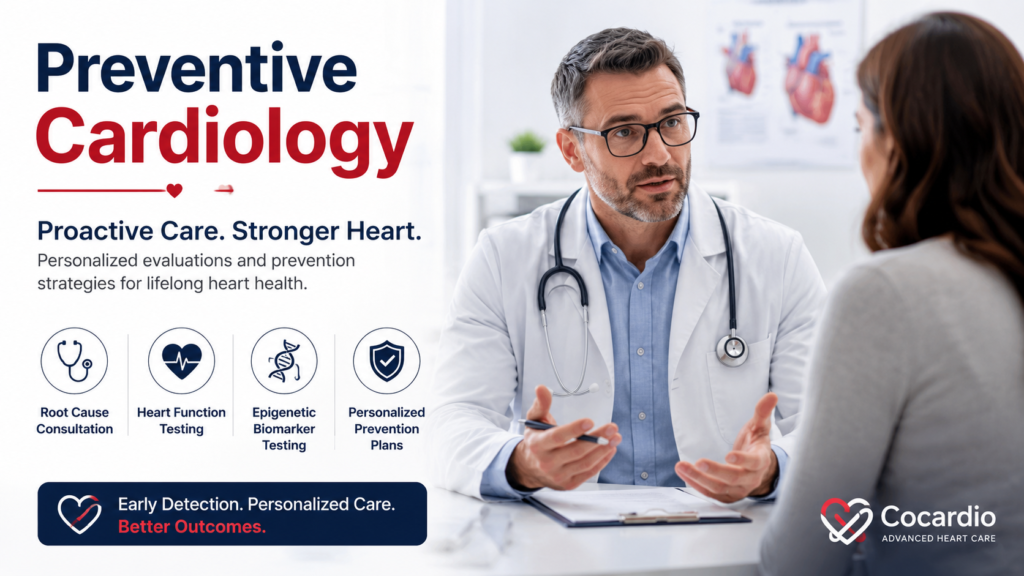

Heart disease often develops gradually, with risk factors accumulating long before symptoms become noticeable. That’s why preventive cardiology focuses on identifying cardiovascular risks early and implementing personalized strategies to reduce the likelihood of future complications. If you’ve recently searched for a preventive cardiologist near me, you’re already taking an important first step toward protecting your long-term heart health.
Unlike traditional cardiology, which frequently addresses existing cardiovascular disease, preventive cardiology emphasizes early detection, comprehensive risk assessment, and personalized treatment plans designed to improve heart health before major events occur. Understanding what to expect during your first consultation can help you prepare for a more informed and productive visit.
Why Preventive Cardiology Matters
According to the American Heart Association’s guidance on preventing heart disease, cardiovascular disease remains one of the leading causes of illness worldwide, yet many contributing risk factors can be identified and managed before serious complications occur. Preventive care focuses on reducing these risks through early evaluation, lifestyle modification, and ongoing cardiovascular monitoring.
A preventive cardiologist evaluates more than symptoms alone. The goal is to understand why cardiovascular risk exists and develop a personalized strategy that addresses the underlying contributors to heart disease.
Preventive care may be especially beneficial for individuals who:
- Have a family history of cardiovascular disease
- Experience high blood pressure or elevated cholesterol
- Have diabetes or metabolic syndrome
- Are overweight or physically inactive
- Smoke or have previously smoked
- Experience unexplained fatigue or reduced exercise tolerance
- Want a proactive assessment of their cardiovascular health
Rather than waiting until symptoms worsen, preventive cardiology focuses on preserving heart function and improving long-term health outcomes.
Your First Visit Begins With Understanding the Whole Picture
A comprehensive cardiovascular evaluation starts with listening.
Your physician will review your:
- Personal medical history
- Family history of heart disease
- Lifestyle habits
- Current medications
- Exercise routine
- Nutritional patterns
- Stress levels
- Sleep quality
These discussions provide valuable insight into factors that may influence cardiovascular health beyond traditional risk assessments.
Rather than focusing solely on isolated laboratory values, many clinics begin with a Root Cause Consultation that explores the biological, metabolic, and lifestyle factors contributing to cardiovascular risk.
This personalized approach helps physicians develop treatment strategies tailored to each patient’s unique health profile instead of relying on generalized recommendations.
The Importance of Comprehensive Heart Function Testing
While medical history provides valuable information, objective diagnostic evaluation remains an essential part of preventive cardiology.
During your evaluation, your physician may recommend Heart Function Testing to assess how effectively your cardiovascular system is performing.
Depending on your clinical needs, testing may include:
- Electrocardiography (ECG)
- Blood pressure assessment
- Lipid evaluation
- Cardiac imaging
- Exercise tolerance assessment
- Vascular function evaluation
- Laboratory biomarkers
These diagnostic tools help identify abnormalities that may not yet be producing noticeable symptoms.
Early identification allows physicians to intervene before cardiovascular disease progresses to more advanced stages.
Looking Beyond Traditional Risk Factors
Modern preventive cardiology increasingly recognizes that cardiovascular health is influenced by numerous biological processes beyond cholesterol and blood pressure alone.
Inflammation, oxidative stress, genetic expression, metabolic dysfunction, and environmental influences all contribute to cardiovascular risk.
This is where Epigenetic Biomarker Testing may provide additional clinical insight.
Rather than focusing exclusively on inherited genetics, epigenetic evaluation examines how lifestyle and environmental factors influence gene expression related to cardiovascular health.
Combined with traditional diagnostic testing, these advanced assessments may help physicians better personalize prevention strategies and monitor changes over time.
Personalized Prevention Instead of One-Size-Fits-All Care
Every patient has unique cardiovascular risk factors. Some individuals primarily require lifestyle optimization, while others benefit from medical therapy, advanced diagnostics, or specialized treatment programs. A preventive cardiologist develops individualized recommendations that may include:
- Nutrition counseling
- Exercise prescriptions
- Weight management
- Blood pressure optimization
- Cholesterol management
- Diabetes control
- Stress reduction
- Smoking cessation
Regular follow-up visits allow clinicians to monitor progress and adjust recommendations as cardiovascular health improves.
This proactive approach helps patients maintain long-term heart health rather than simply reacting to disease after it develops.
When Additional Therapies May Be Appropriate
For certain patients with established coronary artery disease or persistent symptoms despite optimal medical therapy, physicians may discuss additional non-invasive treatment options.
One example is External Counterpulsation Therapy, an outpatient treatment designed to improve coronary blood flow through sequential inflation and deflation of specialized cuffs placed on the lower extremities.
For appropriately selected patients, this therapy may improve circulation, reduce symptoms, and enhance exercise tolerance without surgery.
Individuals experiencing chronic stable chest discomfort may also discuss whether EECP Therapy for Angina is appropriate as part of their overall cardiovascular management plan.
Treatment recommendations always depend on comprehensive clinical evaluation and individualized physician assessment.
Prevention Is a Long-Term Partnership
Preventive cardiology is not a single appointment. It is an ongoing partnership focused on maintaining cardiovascular health throughout every stage of life. Patients often benefit from regular monitoring that allows physicians to:
- Track cardiovascular risk factors
- Evaluate treatment effectiveness
- Monitor lifestyle progress
- Adjust prevention strategies
- Detect changes before symptoms develop
For many individuals, consistent preventive care provides reassurance while supporting healthier long-term outcomes.
Can Preventive Care Reduce Future Cardiovascular Risk?
Although no medical intervention can eliminate cardiovascular risk entirely, evidence consistently demonstrates that early identification and management of modifiable risk factors significantly improves long-term outcomes.
Preventive strategies often include nutrition, physical activity, medication management when appropriate, and regular clinical monitoring.
For selected individuals, therapies such as EECP for Coronary Artery Disease Prevention may also complement comprehensive preventive care when recommended by a qualified physician as part of an individualized treatment plan.
The most effective prevention strategies are those developed collaboratively between patients and experienced cardiovascular specialists.
Conclusion
Searching for a preventive cardiologist near me is more than finding the closest clinic—it’s about choosing a healthcare partner committed to protecting your heart before serious problems develop.
A comprehensive cardiovascular evaluation combines detailed medical history, advanced diagnostics, personalized risk assessment, and ongoing preventive care to help patients make informed decisions about their long-term health.
Whether through comprehensive consultations, advanced testing, lifestyle guidance, or individualized treatment strategies, preventive cardiology empowers patients to take proactive steps toward maintaining cardiovascular wellness for years to come.
Disclaimer: This article is intended for informational and educational purposes only and should not be considered medical advice, diagnosis, or treatment. Every individual’s health condition is unique. Always consult a qualified healthcare professional or a licensed cardiologist before making decisions about your heart health, medications, or treatment options. If you are experiencing chest pain, difficulty breathing, or other signs of a medical emergency, seek immediate medical attention or call your local emergency services.