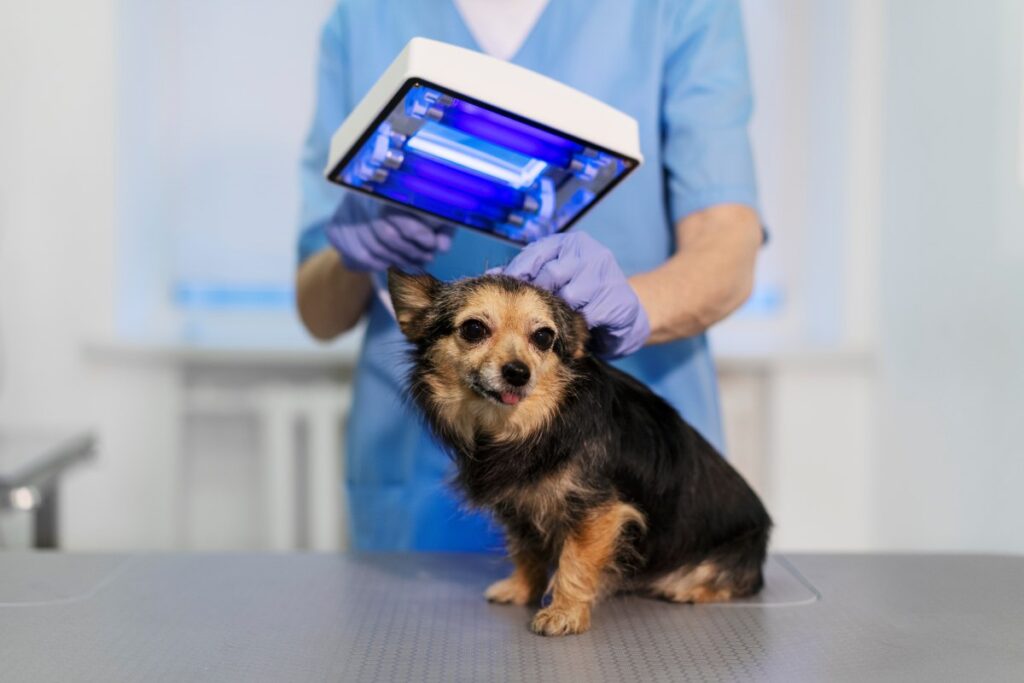

If someone had told you a few years ago that your pet could be treated with laser therapy, you probably would’ve raised an eyebrow. It sounds futuristic… maybe even a little over the top. But walk into an animal hospital VA Beach today, and you’ll hear about it more often than you’d expect. Not as some fancy add-on but as a real, practical option for pain relief and healing.
And honestly? It’s kind of impressive.
What Is Laser Therapy for Pets?
So what is laser therapy, really? In simple terms, it’s a non-invasive treatment that uses specific wavelengths of light to stimulate healing in tissues. No surgery, no medications involved during the session itself just light energy doing its thing beneath the surface.
I know, it sounds almost too simple. But there’s actual science behind it.
The laser penetrates the skin and helps increase blood flow, reduce inflammation, and encourage cell repair. Think of it like giving the body a little nudge to heal faster. It’s commonly used for conditions like arthritis, muscle injuries, post-surgical recovery, and even some skin issues.
Does Laser Therapy Hurt?
Now here’s the part pet owners usually care about most does it hurt?
Nope. Not at all.
Most pets actually find it relaxing. They just lie there while the vet or technician moves a handheld device over the affected area. Some pets even get a bit sleepy during the session. It’s quiet, gentle, and surprisingly low-stress.
How Laser Therapy Fits Into Treatment Plans
Of course, it’s not a magic fix. It works best as part of a bigger treatment plan. For example, a dog with arthritis might still need medication or joint supplements, but laser therapy can reduce pain and improve mobility alongside those treatments. It’s more like… support, rather than a standalone cure.
This is why many pet owners explore it through an animal hospital setting, where it’s combined with other forms of care. The goal isn’t just to treat symptoms it’s to improve overall quality of life.
Benefits for Senior Pets
And that’s where laser therapy really shines (no pun intended… okay, maybe a little).
For senior pets especially, it can make a noticeable difference. Less stiffness, easier movement, more willingness to walk or play. It doesn’t turn back time, but it can make day-to-day life more comfortable. And honestly, seeing your older pet move with less effort? That hits differently.
Post-Surgical Healing Support
It’s also helpful after surgery. Healing can be slow, and anything that speeds it up without adding more stress is a win. Laser therapy helps reduce swelling and discomfort, which can lead to smoother recovery overall.
What to Expect from Treatment Sessions
Now, let’s talk about expectations for a second.
You won’t always see instant results after one session. Sometimes it takes a few treatments to notice a real change. It depends on the condition, the severity, and how your pet responds. Some improve quickly, others more gradually. It’s not one-size-fits-all.
Sessions themselves are usually short anywhere from a few minutes to maybe 15–20 minutes. And they’re often scheduled in a series, especially at the beginning. Over time, the frequency might decrease as your pet improves.
Safety and Side Effects
Another thing people ask about side effects.
Laser therapy is generally very safe when performed correctly. There’s no downtime, no recovery period from the treatment itself. The main thing is making sure it’s done by trained professionals who know how to use the equipment properly.
Cost and Considerations
And yes, cost can be a factor. It’s not always the cheapest option, especially if multiple sessions are needed. But for many pet owners, the improvement in comfort and mobility makes it worthwhile.
There’s also something kind of reassuring about having a treatment option that doesn’t rely entirely on medication. Not that meds are bad they’re often necessary but having alternatives or additions can feel like a more balanced approach.
Final Thoughts
At the end of the day, laser therapy isn’t about doing something trendy or high-tech just for the sake of it. It’s about giving your pet another path to feel better.
And sometimes, that’s exactly what they need.
FAQs
- What conditions can laser therapy treat in pets?
It’s commonly used for arthritis, muscle injuries, post-surgical healing, and some skin conditions.
- How many sessions does my pet need?
It varies. Some pets improve after a few sessions, while others need ongoing treatments.
- Is laser therapy safe for all pets?
Generally yes, but your vet will determine if it’s appropriate based on your pet’s condition.
- Does laser therapy replace medication?
Not usually. It’s often used alongside other treatments to enhance results.
- Will my pet feel anything during the session?
Most pets feel a gentle warmth, if anything. Many find it relaxing.