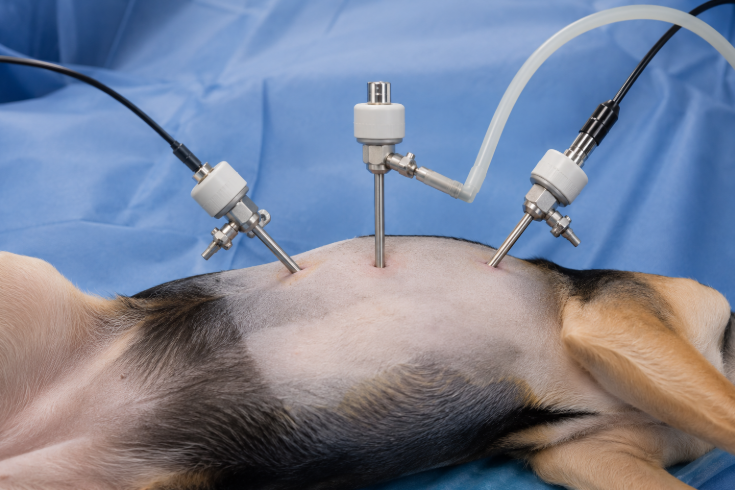

Veterinary medicine continues to evolve with the introduction of minimally invasive surgical techniques. These procedures allow veterinarians to perform operations with smaller incisions, helping reduce physical stress on animals and supporting smoother recovery after surgery. A key component in these procedures is the use of Laparoscopic Trocars, which allow surgeons to safely access internal areas of the animal’s body while maintaining precise control of surgical instruments.
Importance of Minimally Invasive Surgery in Veterinary Care
Minimally invasive procedures have become more common in veterinary practices due to the benefits they provide for animal patients. These procedures require smaller surgical openings compared to traditional surgeries, which helps reduce tissue damage and improve post-operative recovery. Because the incisions are smaller, animals often experience less discomfort following surgery, and the affected tissues generally require less time to heal. Veterinary professionals also benefit from improved visibility and better access to internal structures during these procedures, allowing them to perform surgical tasks with greater control while minimizing unnecessary disruption to surrounding tissues.
During these procedures, specialized instruments must be inserted through small access points. Tools such as Laparoscopic Trocars create stable entry ports that allow other surgical instruments to pass into the body safely. These access ports are designed to support the movement of cameras and surgical instruments throughout the procedure while helping maintain a controlled working environment inside the surgical area. Reliable access is essential because it allows veterinarians to complete different stages of the procedure without repeatedly creating additional openings.
How Trocar Instruments Support Veterinary Procedures
Trocar instruments play an important role in laparoscopic surgeries involving animals. These tools provide entry channels through which surgical instruments and cameras can pass during the procedure. By establishing secure access points, they help veterinarians perform minimally invasive procedures more efficiently while maintaining consistent instrument placement throughout the operation.
Creating Access Points
The primary function of trocar instruments is to create safe and stable access points for laparoscopic tools. These entry points allow surgeons to insert instruments while minimizing disruption to surrounding tissues. Properly positioned access points also help support smooth instrument handling from the beginning of the procedure until its completion.
Supporting Instrument Movement
Once the access point is established, surgical instruments can be introduced through the trocar. This allows veterinarians to manipulate tissues, perform repairs, or examine internal structures. Smooth instrument movement is important during minimally invasive procedures because it helps surgeons complete delicate tasks while maintaining accuracy and control.
Maintaining Surgical Stability
Trocar systems help keep surgical instruments positioned properly throughout the procedure. Stable instrument access allows surgeons to perform tasks with greater accuracy. Consistent positioning also supports better coordination between the surgical instruments and visualization equipment being used during the operation.
Enabling Visualization
During laparoscopic procedures, cameras inserted through trocars provide visual images of internal structures. This visualization helps veterinarians observe the surgical area clearly while performing the procedure. Clear imaging allows important anatomical structures to remain visible throughout the operation, supporting careful observation during each stage of the procedure.
Each of these functions contributes to successful minimally invasive surgeries in veterinary medicine by supporting controlled instrument access, clear visualization, and precise surgical performance.
Importance of Sterilization in Veterinary Surgical Equipment
Proper sterilization is essential in every veterinary surgical environment. Instruments used during operations must be completely free of bacteria and contaminants before they come into contact with animal tissues. Maintaining properly sterilized equipment helps support safe surgical practices and reduces the possibility of contamination during veterinary procedures.
Veterinary clinics rely on modern sterilization systems that prepare surgical tools quickly and efficiently. These systems help ensure that instruments such as trocars, scopes, vessel sealing devices, and lighting equipment remain safe for use. Consistent sterilization procedures also help maintain equipment readiness between surgeries, allowing veterinary teams to prepare instruments according to established clinical protocols before every procedure.
Conclusion
Modern veterinary practices depend on advanced surgical tools and reliable sterilization processes to provide quality care for animals. Minimally invasive procedures allow veterinarians to perform surgeries with greater precision while reducing physical stress on animal patients. The combination of specialized equipment and careful surgical techniques supports effective treatment while improving the overall surgical experience for veterinary patients.
Trocar instruments help create safe access points for laparoscopic tools, allowing surgeons to work effectively during procedures. At the same time, efficient sterilization systems ensure that all surgical instruments remain safe and ready for use, supporting reliable veterinary surgical care and consistent clinical outcomes.