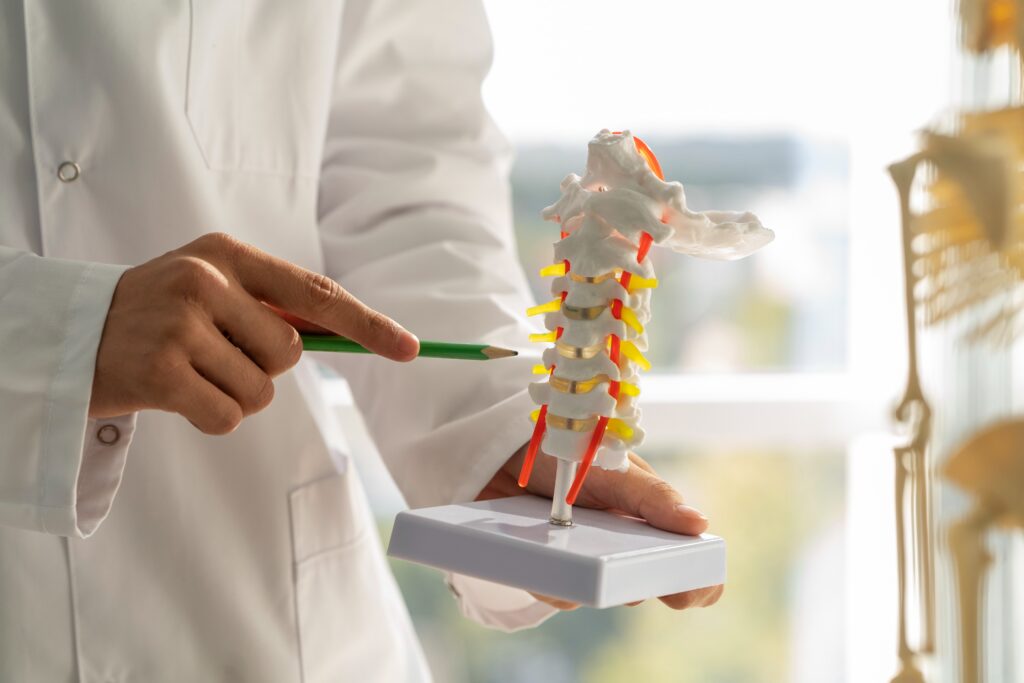

The human spine is an intricate structure that supports your body, protects the spinal cord, and enables flexible movement. Among the 33 vertebrae, the L4–L5 segment in the lower back is one of the most critical areas prone to issues. Problems in this region can significantly affect mobility, posture, and overall quality of life. Understanding the warning signs of L4–L5 spine problems is essential to seek timely treatment and prevent further complications. Residents of Vaishali, Ghaziabad, can benefit from advanced care at facilities like Avee Hospital, recognized as the best orthopedic hospital in Ghaziabad.
Understanding the L4–L5 Spine Segment
The lumbar spine consists of five vertebrae, labeled L1 through L5, with L4 and L5 located in the lower back near the hips. This segment bears much of the body’s weight and is heavily involved in activities like bending, lifting, and twisting. The intervertebral discs between L4 and L5 act as shock absorbers, while the surrounding ligaments and muscles provide stability.
Due to its high load-bearing function, the L4–L5 area is vulnerable to conditions such as herniated discs, spinal stenosis, spondylolisthesis, and degenerative disc disease. Early identification of symptoms is crucial to avoid long-term damage and maintain mobility.
Common Causes of L4–L5 Spine Problems
Several factors contribute to L4–L5 spine issues:
- Degeneration with Age: Natural wear and tear of discs and joints can cause chronic pain.
- Poor Posture: Prolonged sitting, incorrect lifting, or slouching strains the lower back.
- Injury or Trauma: Accidents, falls, or sports injuries can damage the discs or vertebrae.
- Lifestyle Factors: Obesity, lack of exercise, and smoking can accelerate degeneration.
- Genetic Predisposition: Some individuals inherit structural weaknesses in the lumbar spine.
Understanding these causes can help residents of Vaishali, Ghaziabad, take preventive measures and seek care at a top orthopedic hospital in Vaishali Ghaziabad when needed.
Key Warning Signs You Should Not Ignore
Identifying L4–L5 spine problems early is crucial for effective treatment. Here are the key warning signs:
1. Persistent Lower Back Pain
The most common symptom is persistent pain in the lower back, often localized between the waist and hips. Pain may worsen with bending, lifting, or prolonged sitting. In some cases, discomfort radiates to the buttocks or thighs.
2. Numbness or Tingling in Legs
Compression of nerves at the L4–L5 level can cause numbness, tingling, or a “pins-and-needles” sensation in the legs and feet. This may indicate nerve irritation or a herniated disc pressing on the sciatic nerve.
3. Weakness in Lower Limbs
Patients may notice weakness in the legs, difficulty lifting the foot (foot drop), or problems maintaining balance. These symptoms signal nerve involvement and require prompt medical evaluation.
4. Pain Radiating to Lower Extremities
Pain that travels from the lower back to the legs, often referred to as sciatica, is a hallmark of L4–L5 problems. The intensity of radiating pain can vary, sometimes worsening with coughing, sneezing, or prolonged standing.
5. Reduced Flexibility and Mobility
Difficulty bending, twisting, or performing everyday activities can result from disc degeneration or spinal stiffness. Reduced mobility may affect work performance, exercise routines, and daily life.
6. Bladder or Bowel Dysfunction
Although rare, severe nerve compression in the L4–L5 area can impact bladder or bowel control. If such symptoms occur, immediate medical attention is required to prevent permanent damage.
Diagnosis: Early Detection Saves Lives
Early diagnosis of L4–L5 spine problems is vital for effective treatment. A comprehensive evaluation may include:
- Physical Examination: Assessment of posture, flexibility, reflexes, and neurological function.
- Imaging Tests: MRI or CT scans to visualize discs, vertebrae, and nerve compression.
- X-rays: Detect structural changes like spondylolisthesis or bone spurs.
- Electromyography (EMG): Measures nerve and muscle function to identify nerve damage.
Residents of Vaishali can access these advanced diagnostic facilities at the best hospital in Vaishali Ghaziabad, ensuring timely and accurate evaluation.
Treatment Options for L4–L5 Spine Problems
Treatment depends on the severity and underlying cause of the condition. Standard approaches include:
Non-Surgical Treatments
- Physical Therapy: Customized exercises to strengthen back muscles and improve flexibility.
- Medications: Pain relievers, anti-inflammatory drugs, and muscle relaxants.
- Lifestyle Modifications: Weight management, ergonomic adjustments, and posture correction.
- Injections: Corticosteroid injections to reduce inflammation and nerve pain.
Surgical Treatments
When conservative measures fail, surgical intervention may be necessary:
- Discectomy: Removal of a herniated disc pressing on nerves.
- Spinal Fusion: Stabilization of the vertebrae to prevent movement that causes pain.
- Laminectomy: Removal of bone or tissue to relieve nerve compression.
Advanced hospitals in Vaishali and Ghaziabad provide these procedures with state-of-the-art technology, ensuring faster recovery and minimal complications.
Preventive Measures: Protecting Your Lower Back
Prevention plays a significant role in reducing the risk of L4–L5 spine problems:
- Maintain Good Posture: Sit and stand upright to reduce stress on the lumbar spine.
- Exercise Regularly: Focus on core strengthening and flexibility exercises.
- Lift Properly: Use your legs, not your back, when lifting heavy objects.
- Weight Management: Maintaining a healthy weight reduces spinal load.
- Avoid Prolonged Sitting: Take breaks and stretch to prevent stiffness.
For residents seeking expert guidance, consulting a top orthopedic hospital in Vaishali, Ghaziabad, can provide personalized prevention strategies.
Why Choose the Right Orthopedic Facility?
Selecting the best orthopedic hospital in Ghaziabad is crucial for proper diagnosis, treatment, and rehabilitation. Facilities that specialize in spine care offer:
- Experienced orthopedic surgeons and spine specialists
- Advanced diagnostic tools like MRI, CT, and EMG
- Modern surgical techniques with minimal invasiveness
- Comprehensive rehabilitation programs
Patients in Vaishali, Ghaziabad, can rely on trusted hospitals like Avee Hospital, which combine expertise with compassionate care, ensuring optimal recovery for L4–L5 spine problems.
Conclusion
L4–L5 spine problems can significantly impact your life if left untreated. Recognizing early warning signs such as persistent lower back pain, leg numbness, weakness, or radiating pain is vital for timely intervention. Whether you are experiencing mild discomfort or severe symptoms, consulting a qualified orthopedic center can make all the difference. Residents of Vaishali and Ghaziabad can access expert care at leading facilities, ensuring comprehensive treatment and long-term spinal health.
By understanding the causes, symptoms, and preventive measures for L4–L5 spine issues, you can take proactive steps to protect your lower back and maintain mobility. Remember, early detection and proper care are the keys to living a pain-free, active life.