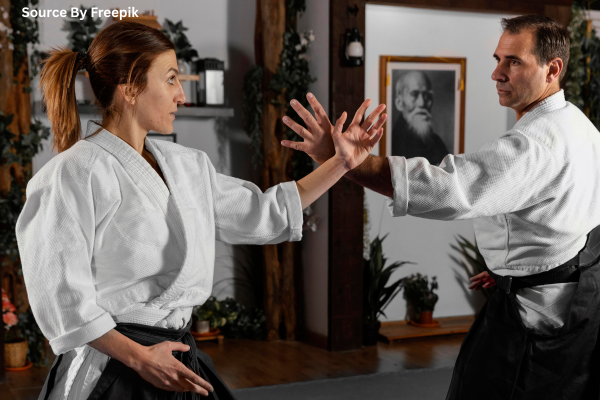

Krav Maga, Brazilian Jiu-Jitsu (BJJ), and Muay Thai each offer clear strengths for private self-defence training, and the best choice for a student in Studio City depends on goals, physical condition, and the scenarios they most want to prepare for. Below is an evidence-minded, user-focused comparison designed for people considering private classes in the USA, with practical guidance on which style to choose for different needs and how to get the most from one-on-one training.
Why private defense classes matter
Private instruction speeds skill acquisition by focusing entirely on your needs, learning pace, and realistic concerns. An experienced coach can tailor drills to your fitness level, modify techniques for injuries or age, and simulate threats you are most likely to face. Private lessons also let you work on mindset, threat recognition, and de-escalation in ways group classes cannot reliably provide.
What each defence style entails
- Krav Maga: A systems-based self-defense method developed for real-world confrontations, emphasizing simple, repeatable responses, threat neutralization, and escape. Training focuses on situational awareness, defenses against common attacks, and aggressive counters that prioritize ending the threat quickly.
- Brazilian Jiu-Jitsu (BJJ): A grappling art that emphasizes control and submissions on the ground, using leverage and technique to allow a smaller person to neutralize a larger opponent. BJJ trains positional strategy, escapes, and controlling an assailant until help arrives or the situation ends.
- Muay Thai: A striking art originating in Thailand that develops powerful, practical stand-up tools. Training builds striking accuracy, timing, clinch control, conditioning, and the ability to deliver force with fists, elbows, knees, and shins.
How does each defence compare for private self-defense lessons
- Learning speed: Krav Maga typically prioritizes simple, high-percentage responses that can be taught and practiced rapidly in private lessons. BJJ requires more time to develop timing and positional instincts but private coaching accelerates the learning curve. Muay Thai gives quicker improvements in striking mechanics and conditioning with focused one-on-one feedback.
- Real-world applicability: Krav Maga is explicitly designed for street scenarios and integrates multiple ranges and weapons awareness. BJJ excels in situations that end up on the ground, offering techniques to control or escape. Muay Thai provides robust stand-up tools and conditioning that increase your ability to defend while standing.
- Safety in training: Private sessions let instructors scale intensity, drill safer progressive sparring, and adapt techniques to minimize injury risk for older adults or those with prior injuries. This is especially valuable in BJJ where live rolling can be high-impact, and in Muay Thai where striking power could be risky without careful progression.
- Fitness and conditioning: Muay Thai produces immediate cardiovascular and muscular conditioning gains that translate into better overall resilience. Krav Maga classes often include functional conditioning tied to techniques. BJJ enhances muscular endurance and core strength through positional work and drilling.
Who should choose which style
- Choose Krav Maga if: Your priority is quick, scenario-based skills for street encounters and practical defenses against grabs, chokes, and common weapon threats. Private lessons will let you rehearse stressful, realistic sequences and build decision-making under pressure.
- Choose BJJ if: You want to gain control skills for situations that go to the ground, prefer a technique-driven approach where leverage and timing matter, or seek a method that benefits smaller defenders. Private coaching is ideal for refining escapes, sweeps, and submissions at your pace.
- Choose Muay Thai if: You want to develop striking confidence, improve fitness, and learn clinch control while building durable stand-up defense. One-on-one training yields faster correction of mechanics and safer conditioning progressions.
Practical considerations for Studio City private classes
- Instructor credentials and experience: These matter more than the style name alone. Look for coaches with verifiable lineage, coaching experience in private lessons, and references from local students. Request a consultation to discuss lesson structure, safety protocols, and progression plans.
- Curriculum and goals: Agree with the instructor on measurable goals such as “defend against a wrist grab,” “escape mount,” or “deliver a controlled standing strike under stress.” Good private classes include scenario drills, progressive resistance, and periodic skill assessments.
- Frequency and duration: Short, consistent sessions (for example, weekly 60–90 minute lessons) usually yield better retention than infrequent long sessions. Pair private lessons with supervised group classes or solo conditioning to reinforce skills between sessions.
- Personalization: Use private lessons to tailor techniques for body type, fitness, and lifestyle. If you work a night shift, practice situational awareness and low-light movement. If you have limited mobility, ask the coach for adapted versions of techniques.
Sample private lesson plan (first 8 weeks)
- Weeks 1–2: Foundational movement, safety rules, stance and balance, basic escapes or strikes, and a safety-focused warm-up. Emphasis on technique rather than power.
- Weeks 3–4: Core defensive responses and positional work. Introduce controlled resistance and simple scenario rehearsal.
- Weeks 5–6: Progressive combinations and transitions between ranges: striking to clinch, clinch to takedown or escape. Conditioned drills that reproduce stress.
- Weeks 7–8: Live, controlled simulation to test decision-making, timed repetitions for reactions, and a review with a short skills assessment and a plan for continued development.
Choosing the best match
If your priority is immediate, scenario-based readiness, Krav Maga private lessons are often the most direct route. If you want technical control for ground situations and long-term skill growth, BJJ private coaching is highly effective. If stand-up striking, conditioning, and clinch work are your goals, Muay Thai private sessions will deliver measurable fitness and skill gains.
If you are actively searching for private coaching near you, consider searching for private self defense classes studio city to compare instructor profiles, reviews, and introductory offers. Private sessions are an investment in both skills and personal safety, so verify credentials, read local student feedback, and ask for a trial lesson before committing.
If you would like expert private instruction delivered with tailored plans and experienced coaching, consider working with Fight Factory for structured private self-defence training that matches your goals and schedule.