
Introduction
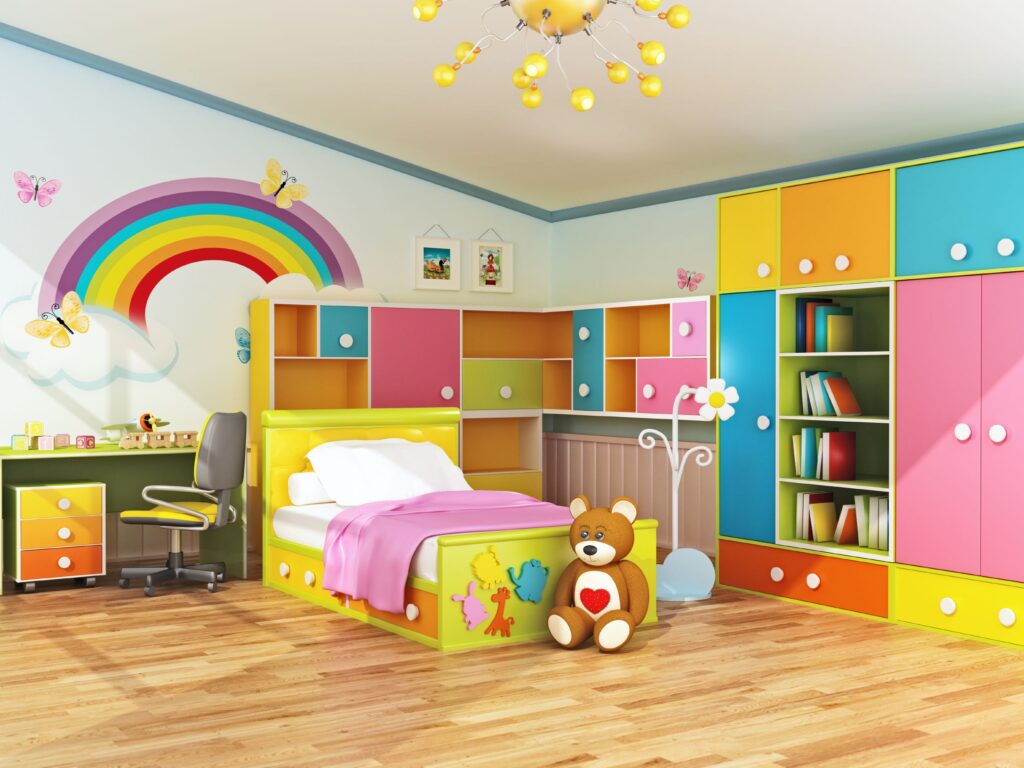
Designing a child’s room requires a perfect balance of creativity, functionality, and safety. A well-planned kids room interior not only creates an engaging and playful environment but also supports essential activities like learning, relaxation, and sleep. Unlike other rooms in the house, a kids’ room must be flexible enough to adapt to changing needs as the child grows.
One of the key challenges in designing such spaces is managing storage efficiently while keeping the room clutter-free. Choosing smart storage solutions, such as modular wardrobes for different room sizes, helps maintain organization while maximizing available space. From toys and books to clothes and study materials, everything needs a designated place. This article explores essential elements and practical ideas for creating a visually appealing and highly functional kids’ room.
Importance of Kids Room Interior Design
A thoughtfully designed kids’ room plays a crucial role in a child’s development, behavior, and daily routine.
1. Encourages Creativity
Colorful themes, playful décor, and interactive elements stimulate imagination and creativity.
2. Improves Organization
Well-planned storage solutions teach children the importance of keeping their belongings organized.
3. Enhances Comfort
A comfortable environment promotes better sleep, focus, and relaxation.
4. Ensures Safety
Child-friendly furniture and materials reduce the risk of injuries and accidents.
Key Elements of Kids Room Interior
Furniture Selection
Choose furniture that is safe, durable, and appropriately sized for children. Rounded edges and sturdy construction are essential for safety.
Color Scheme
Bright and cheerful colors create an energetic atmosphere, while pastel or neutral tones help maintain calmness. A balanced color palette works best.
Lighting Design
Proper lighting is crucial for study, play, and relaxation. Combine natural light with task lighting and soft ambient lighting for the best results.
Storage Solutions
Efficient storage is key to maintaining a clean and organized room. Use shelves, drawers, and wardrobes to manage different items effectively.
Role of Modular Wardrobes in Kids’ Rooms
Storage is one of the most important aspects of a kids’ room. Using modular wardrobes for different room sizes helps optimize space while ensuring easy access and organization.
Efficient Space Utilization
Wardrobes designed according to room size ensure maximum storage without making the room feel crowded.
Customization
Modular wardrobes can include adjustable shelves, drawers, and hanging sections tailored to specific needs.
Easy Organization
Clearly defined storage sections help children learn how to organize their belongings independently.
Adaptability
As children grow, their storage needs change. Modular wardrobes can be modified or expanded accordingly.
Design Ideas for Kids Room Interior
Theme-Based Design
Choose themes such as cartoons, space, animals, or nature to create an engaging environment that reflects the child’s interests.
Study Area Setup
Create a dedicated study space with a comfortable chair, proper desk, and adequate lighting to encourage focus and productivity.
Play Zone
Allocate a specific area for play activities to keep toys organized and separate from study and sleeping areas.
Wall Décor
Use wall decals, artwork, chalkboards, or pinboards to add personality and creativity to the space.
Benefits of a Well-Designed Kids Room
Investing in a thoughtfully planned kids room interior offers several advantages:
- Better organization and cleanliness
- Improved comfort and usability
- Encouragement for creativity and learning
- Efficient use of available space
These benefits contribute to a positive and nurturing environment for children.
Key Factors to Consider
Safety First
Always prioritize safety by using non-toxic materials, stable furniture, and rounded edges.
Durability
Choose materials that can withstand daily wear and tear.
Flexibility
Design the room in a way that it can adapt to changing needs as the child grows.
Space Availability
Ensure the layout allows free movement and does not feel cramped.
Maintenance Tips
Regular Cleaning
Maintain cleanliness to ensure hygiene and a pleasant environment.
Decluttering
Remove unused or broken items regularly to keep the room organized.
Furniture Care
Check furniture periodically to ensure it remains safe and functional.
Common Mistakes to Avoid
- Overcrowding the room with unnecessary furniture
- Ignoring proper storage solutions
- Choosing designs that do not adapt with age
- Neglecting safety considerations
Avoiding these mistakes helps create a more efficient and child-friendly space.
Conclusion
A well-planned kids room interior is essential for creating a space that is functional, safe, and enjoyable. By focusing on layout, furniture, storage, and design elements, parents can create a room that supports their child’s growth and daily activities.
Incorporating smart storage solutions like modular wardrobes for different room sizes ensures better organization and efficient use of space. With thoughtful planning and the right design choices, a kids’ room can become a comfortable, creative, and inspiring environment for years to come.