
When an IVF cycle produces good quality embryos that fail to implant despite optimal transfer conditions, the immune system is increasingly recognised as a potentially significant contributing factor. Immune-related implantation failure is an area of reproductive medicine that has attracted growing research attention over the past decade, and while our understanding continues to evolve, the evidence supporting immune evaluation and intervention in selected patients is meaningful and clinically relevant.
Understanding how the immune system interacts with implantation, what immune abnormalities have been associated with IVF failure, and what investigations and treatments are available helps patients with a history of unexplained failure engage more productively with the next phase of their treatment planning.
The Immunology of Implantation
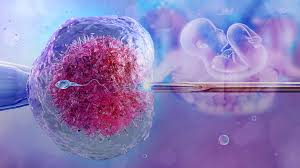
Successful embryo implantation requires one of the most remarkable immunological balancing acts in human biology. The embryo carries genetic material from both parents, making it immunologically foreign to the mother’s body. Under normal circumstances, foreign tissue triggers an immune rejection response. Yet in a successful pregnancy, the maternal immune system not only tolerates the embryo but actively supports its implantation and development.
This immune tolerance is not passive. It is an active, tightly regulated process involving specialised immune cells, cytokines, and molecular signals that create an environment at the implantation site where the embryo is recognised, accepted, and supported rather than attacked.
Natural killer cells, which are present in high concentrations in the uterine lining during the implantation window, play a central role in this process. Uterine natural killer cells, which are distinct from peripheral blood natural killer cells, interact directly with the invading trophoblast cells of the embryo, supporting placental development and regulating blood vessel formation in the endometrium. When the balance of these immune interactions is disrupted, implantation can fail even when the embryo itself is of good quality.
Regulatory T cells, macrophages, and a range of cytokines and growth factors all contribute to the immunological environment of the implantation window. Disruptions in any of these components have been studied as potential contributors to recurrent implantation failure.
Immune Conditions Associated With IVF Failure
Several specific immune conditions and abnormalities have been identified as potentially contributing to recurrent implantation failure and are worth investigating in couples with multiple failed cycles despite good embryo quality.
Elevated uterine natural killer cell activity has been associated with implantation failure and early pregnancy loss in some studies. Natural killer cells that are abnormally activated may attack the trophoblast cells of an implanting embryo, preventing successful placentation. Testing for uterine natural killer cell levels and activity can be conducted through endometrial biopsy, and elevated levels may be managed with immunosuppressive treatments including prednisolone or intralipid infusion in selected patients.
Antiphospholipid syndrome, discussed in the context of recurrent pregnancy loss, is an autoimmune condition that promotes abnormal blood clotting in the placental vasculature and is associated with both recurrent miscarriage and implantation failure. It is identified through blood testing for specific antibodies and is treated with low-dose aspirin and low molecular weight heparin.
Thyroid autoimmunity, as covered in previous discussions of thyroid health and IVF, is associated with implantation failure and early pregnancy loss even in women with normal thyroid hormone levels. The autoimmune component of thyroid disease appears to reflect a broader immune dysregulation that extends beyond the thyroid gland.
Elevated levels of certain cytokines associated with a pro-inflammatory immune profile have been studied in relation to implantation failure, with some evidence suggesting that an overly inflammatory uterine environment impairs the immune tolerance required for successful embryo attachment.
Alloimmune factors, related to the immune response between genetically similar partners sharing HLA antigens, have been proposed as a contributor to unexplained implantation failure in some couples, though the evidence in this area remains more contested than for the conditions described above.
Immune Investigations Worth Considering After Repeated Failure
For patients with two or more failed IVF transfers despite good quality embryos and an optimised uterine environment, immune investigation is increasingly being incorporated into the post-failure workup at specialist centres.
A peripheral blood natural killer cell assay measures the proportion and activation level of natural killer cells in the blood. While peripheral blood NK cells differ from uterine NK cells, elevated peripheral levels have been associated with implantation failure in some studies and may be used as a proxy marker in centres where direct uterine NK cell testing is not available.
Antiphospholipid antibody panel testing including anticardiolipin antibodies, anti-beta2 glycoprotein antibodies, and lupus anticoagulant should be conducted in all patients with recurrent failure, confirming or excluding antiphospholipid syndrome as a contributing factor.
Comprehensive thyroid evaluation including antibody testing is relevant for all IVF patients but particularly for those with unexplained failure.
HLA typing of both partners and cytokine profiling are available at specialist reproductive immunology centres and may be considered in complex cases where standard investigations have not identified a cause.
Treatment Approaches for Immune-Related Implantation Failure
Several immune-modulating interventions have been studied in the context of IVF and have evidence supporting their use in selected patient populations.
Prednisolone, a corticosteroid with broad immunosuppressive effects, is used in some protocols to reduce uterine natural killer cell activity and moderate the inflammatory immune response at the implantation site. It is typically commenced in the days before embryo transfer and continued into the early pregnancy period if transfer is successful.
Intralipid infusion, consisting of an intravenous emulsion of soya bean oil, is a novel intervention that has been proposed as a modulator of natural killer cell activity through mechanisms that are not fully understood. Some studies have reported improved pregnancy rates following intralipid infusion in women with elevated NK cell levels, though the evidence base remains preliminary and practice varies between centres.
Low molecular weight heparin, used in antiphospholipid syndrome management, has also been studied more broadly in patients with implantation failure without confirmed antiphospholipid syndrome, with some evidence of benefit possibly related to direct effects on endometrial receptivity beyond its anticoagulant properties.
Intravenous immunoglobulin therapy has been used in severe cases of immune-related implantation failure at specialist centres, though its evidence base is limited and its use remains controversial outside of highly selected patients.
It is important to note that immune treatments in IVF are an evolving field and that not all interventions are supported by the same level of evidence. Treatment decisions should be highly individualised, based on specific immune test results rather than empirical use, and made in consultation with a specialist experienced in reproductive immunology.
Seeking care from an experienced female fertility clinic in jaipur that incorporates immune evaluation into its post-failure workup and has access to reproductive immunology expertise ensures that this potentially significant contributor to implantation failure is appropriately investigated and addressed in your treatment plan.
The Importance of Individualised Assessment
The field of reproductive immunology is complex, rapidly evolving, and in some areas subject to genuine scientific debate. Not every patient with IVF failure has an immune cause, and not every immune abnormality identified in testing necessarily requires treatment. The risk of over-medicalisation and empirical immune treatment without specific indication is real and should be avoided.
The most productive approach is one of systematic investigation guided by clinical history, embryo quality assessment, and uterine evaluation, with immune testing introduced as a targeted next step when other causes have been excluded or when specific clinical features suggest an immune component.
A dedicated best ivf hospital in jaipur with experienced reproductive specialists who approach immune evaluation thoughtfully and individualise treatment based on actual test findings rather than applying empirical protocols to all patients provides the nuanced, evidence-based care that complex implantation failure genuinely requires.
Final Thoughts
The immune system is a sophisticated and powerful biological network whose role in IVF implantation is only beginning to be fully understood. For patients with unexplained implantation failure despite good embryo quality and optimal uterine conditions, immune evaluation represents one of the most promising frontiers in identifying and addressing the missing piece of their fertility puzzle.
Investigate systematically. Treat specifically. And work with a team that approaches this complex area with both scientific rigour and genuine clinical compassion.