
(Dr. Varun Gupta), M.B.B.S, M.S (E.N.T.), FPLS (Belgium), internationally trained ent, Head & Neck and Sleep Surgeon, HOD Indus Health, Delhi)
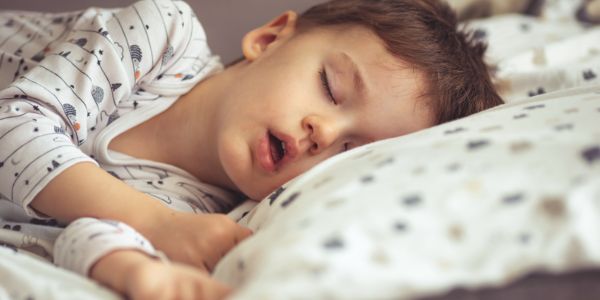
Parents often peek into their child’s room at night finding them sound asleep but sometimes hearing loud snores. While some snoring might seem cute or harmless, regular or intense snoring could mean something more concerning. Knowing how to tell apart typical snoring and signs of sleep apnea in kids is important. Spotting sleep apnea can help avoid health issues that could hurt their growth, learning, or general well-being.
Understanding Sleep Apnea in Children vs Normal Snoring
Persistent loud snoring in kids should be checked out, though not all snoring is a big issue. Sleep apnea in children is a major sleep disorder where breathing stops and starts over and over during sleep. This condition affects around 12% of children, which is different from adults, and it can harm their growth in ways that parents might not notice.
Snoring happens when air moves through relaxed throat tissues making them vibrate. But if these tissues relax too much and block the airway, sleep apnea can occur. The main difference is how often and how breathing gets interrupted. Light snoring once in a while, like during a cold, is normal. On the other hand, regular loud snoring with pauses in breathing is a warning sign that needs a doctor’s advice.
Knowing why children snore helps parents understand snoring issues and choose the right treatment options. Snoring can occur due to enlarged tonsils and adenoids, being overweight, allergies, or structural differences in the nose or throat. When parents understand snoring issues, they can clearly share their observations with doctors and ensure their child receives the right care and timely treatment.
Warning Signs of Sleep Apnea in Kids Every Parent Should Know
Spotting sleep apnea signs in kids early lets parents take action sooner. Look beyond basic snoring to find other clues. Pay attention to breaks in breathing while they sleep, sounds like choking or gasping, tossing and turning a lot, or sweating a lot even if the room is not too warm.
You should pay close attention to daytime signs as well. Kids with sleep apnea might deal with morning headaches, trouble focusing at school, acting out with irritability or hyperactivity, and feeling very tired throughout the day. Some might even start wetting the bed again after having stopped before.
Understanding when snoring in kids is a concern can guide parents to get medical help on time. If your child snores on most nights, struggles with breathing while sleeping, or shows shifts in their behavior during the day, it’s a good idea to reach out to a doctor. These warning signs mean your child’s sleep isn’t good enough, which can harm their physical health and ability to learn.
Key Symptoms of Sleep Apnea in Children
Sleep apnea symptoms in kids can be hard to notice and are not always the same as in adults. Signs that show up during sleep include constant loud snoring, breathing pauses that last over 10 seconds breathing through the mouth, tossing and turning while asleep, or sleeping in odd positions like with their neck stretched backward.
During the day, kids might show signs that affect how they feel and act, which can hurt their daily lives. These signs include trouble getting out of bed in the morning, struggling in school, having trouble focusing like ADHD, frequent mood changes, and issues with making or keeping friends. Some kids might even grow slower than expected because sleep apnea can disturb the body’s ability to release growth hormones.
Parents need to know that children might experience sleep apnea without loud snoring. This makes it crucial to notice other signs or changes in behavior which could show disturbed sleep habits.
Diagnostic Procedures and Medical Evaluation
If parents think their child might have sleep apnea, visiting a snoring problem doctor could help uncover hidden sleep issues. The process starts with looking into the child’s medical history and doing a physical checkup that focuses on their sleeping habits, symptoms, and overall well-being.
A sleep study, which is also called polysomnography, remains the top method to diagnose sleep apnea. During this overnight test, doctors track things like brain waves, heart rate, oxygen levels, and breathing patterns. The test offers clear details on how often and how breathing gets interrupted. This information helps doctors decide the best way to treat the condition.
Doctors might also use other tools, like imaging tests, to check the structure of the airways. Allergy testing can help spot possible triggers. They also look at the child’s growth and development to understand any related factors. These thorough checks make sure they find and address everything that could contribute to the problem.
Treatment Options and Medical Intervention
Treating pediatric sleep apnea depends on how severe the condition is and what causes it. Doctors start with an adenotonsillectomy, which means removing swollen tonsils and adenoids. This approach works well for many kids showing success in 70-90% of cases where the enlarged tissues are the main issue.
If surgery is not an option or symptoms persist after the procedure, doctors may suggest Continuous Positive Airway Pressure therapy often called CPAP. This method uses a mask worn during sleep to send pressurized air through the airways to keep them open. CPAP treatment works but needs careful adjustments and monitoring to fit and ensure kids use it .
Other ways to treat this include managing weight in children who are overweight, addressing any underlying allergies, and sometimes using oral devices. These devices help adjust the jaw and tongue to keep the airways open. The right treatment depends on what the child needs and the skills of the medical team.
Expert Care from Sleep Specialist in Delhi
Reaching top-notch care to handle pediatric sleep problems has become easier for families in the Delhi NCR area. At Indus Hospital Delhi, Dr. Varun Gupta provides expert diagnosis and solutions for kids dealing with sleep-related breathing issues. With years of experience as a sleep specialist in Delhi, Dr. Gupta designs custom treatment plans suited to the individual needs of every child.
Finding the Best ENT Specialist in East Delhi
To find the Best ENT specialist in East Delhi, parents need to find doctors who are experienced in treating pediatric sleep disorders. Indus Hospital provides advanced diagnostic tools and treatments offering things like sleep studies, surgeries, and continuous tracking of how the treatment is progressing.
The hospital makes it simple for busy parents by offering appointments between 8 AM and 8 PM. They use a team approach to cover everything about the child’s health starting from figuring out what’s wrong to ensuring proper follow-ups over time.
Sleep Apnea Severity and Treatment Comparison
| Severity Level | Symptoms | Treatment Options | Expected Outcomes |
| Mild | Occasional snoring, mild daytime fatigue | Lifestyle changes, allergy treatment | 80-90% improvement |
| Moderate | Regular snoring, breathing pauses, behavioral issues | Adenotonsillectomy, CPAP therapy | 70-85% symptom resolution |
| Severe | Loud snoring, frequent breathing interruptions, significant daytime symptoms | Surgery + CPAP, comprehensive treatment plan | 60-80% improvement with combined therapy |
When to Seek Medical Attention
Parents should act to get a health check if they notice worrying signs. They should consult a doctor without delay if kids encounter trouble breathing while sleeping, wake up at night, or have major behavior changes disrupting their daily activities.
Starting treatment early is important because ignoring sleep apnea can cause serious health issues. It can result in heart problems, growth delays, trouble learning, and behavioral challenges. Acting improves the child’s health and how they grow.
Even after successful treatment regular check-ups matter a lot. As children’s airways keep growing and changing, regular monitoring makes sure the treatment keeps working, with changes made when necessary.
Conclusion
To figure out if your child’s snoring could mean sleep apnea, you need to look and have a doctor check. Not all snoring is a big deal, but consistent symptoms should be looked at by a medical expert. With proper care most children with sleep apnea feel much better and live healthier lives.
Families in Delhi NCR can find experienced care from specialists such as Dr. Varun Gupta at Indus Hospital. Do not ignore worries about your child’s sleep. Acting plays a key role in their health, growth, and overall future. If your child snores or shows other troubling signs, book an appointment with a sleep expert to help them get proper rest essential to grow and stay healthy.