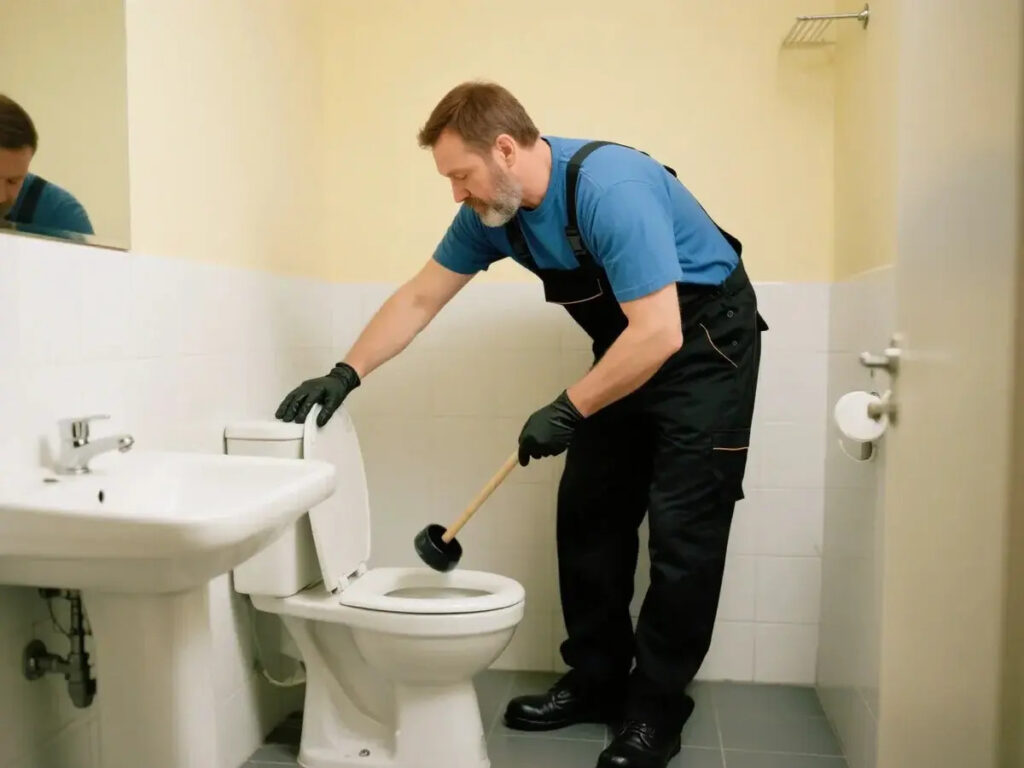

Everyone has a bathroom problem from time to time. Maybe the shower is dripping at night. Maybe there’s a hairline crack in the wall. Maybe the tiles are looking a little tired and the grout has turned a suspicious grey. Most homeowners in North West London tackle these problems by watching YouTube tutorials and hoping for the best.
Sometimes it works. Sometimes it doesn’t.
The real challenge is knowing the difference between a job you can do yourself on a weekend and one that quietly gets worse – and more expensive – the longer you leave it. This guide breaks it down into simple, easy-to-understand terms so you can make smart decisions before a minor bathroom problem turns into a costly renovation nightmare.
Why Bathrooms Need More Attention Than Any Other Room
Your bathroom holds more stress than any other room in your home. Think about it – water, steam, temperature changes, soap scum, and the daily use of an entire family, all packed into a small space. These conditions create the perfect recipe for hidden damage.
Unlike scratches on a living room wall or a tight kitchen drawer, bathroom problems like installation & repairing are often hidden behind tiles, under the floor, or inside walls. By the time you see visible signs of damage, the problem usually starts weeks – sometimes months – earlier. That’s why it’s so important to identify problems early.
These are the conditions that make bathrooms especially vulnerable:
- Constant moisture creates an ideal environment for mold and mildew
- Poor ventilation traps moisture and causes long-term damp damage to walls and ceilings
- Old sealants and grouts crack over time, allowing water to seep into the structure
- Indoor fixtures develop slow leaks that damage subflooring without any obvious warning signs
- Old plasterwork absorbs moisture and begins to weaken, bubble, or crumble
If any of these problems are ignored, structural damage can occur that costs far more to repair than the original problem.
The Warning Signs You Should Never Ignore
Not every bathroom problem cries out for attention. Many serious problems whisper until suddenly they scream. Here are the warning signs that tell you it’s time to call a professional.
1. Persistent damp spots or dark water stains
If you notice damp spots on a wall or ceiling that keep coming back even after drying, this could be a sign of a hidden leak or waterproofing failure. Dark water stains that continue to spread even after rain or heavy shower use mean that water is dripping where it shouldn’t be.
This isn’t something that a coat of paint can do. The source needs to be found and properly fixed – which often involves opening up walls or replacing sections of waterproofing behind tiles.
2. Cracked, hollow or blown plasterwork
Gently press on the walls around your bathtub, shower or basin area. If the plaster feels soft, hollow when tapped, or appears to have cracks running in diagonal lines, it is almost certainly absorbing moisture and is starting to fail.
Blown plaster – where the surface separates from the wall behind it – does not repair itself. It needs to be stripped back to a solid base, properly dried and properly replastered. Trying to patch the surface over blown plaster delays the problem and wastes money.
Professional plastering in a bathroom also involves using materials suitable for damp environments – not standard interior plaster. Using the wrong product in a damp area can re-create the problem months later.
3. Cracked, lifted or sagging tiles
Wall and floor tiles that are cracked, lifted at the edges or move when you press on them indicate one of two things: either the adhesive has failed, or the surface underneath has shifted. In both cases, water now has a direct path behind the tiles.
This is urgent. Water behind bathroom tiles can soak into the plasterboard or brickwork, causing rot in the woodwork, and can move mold colonies that have spread through the walls. If left untreated, this type of damage can affect nearby rooms and floor joists.
4. Silicone sealant that has turned black or is peeling
The silicone seal around your bathtub, shower tray, and sink is your first line of defense against water entering the structure. When it peels, cracks, or becomes blackened with mold, it stops working.
Black mold in silicone isn’t just unsightly – it releases spores into the air you breathe every day. Replacing bathroom sealant may seem simple, but doing it right requires removing every trace of the old sealant, thoroughly cleaning the surface, letting it dry completely, and applying a bead of new sealant in a smooth, continuous line. A hasty or incomplete seal fails within weeks.
5. Slow Drains That Keep Returning After You Clear Them
A drain that keeps flowing slowly even after using a plunger or chemical cleaner is telling you that the blockage is deeper in the system. It could be a partial blockage in the waste pipe, a buildup of limescale in the trap, or even a problem with a clay clog.
Repeatedly pouring drain cleaner down a slow drain doesn’t fix the root cause—it just temporarily shifts the problem. A professional inspection will identify exactly where the blockage is and clean it properly.
When a DIY Fix Makes Sense and When It Definitely Does Not
Fairly speaking, not every bathroom job requires a professional. Here’s a quick, honest breakdown.
| You Can DIY This | Call a Professional |
| Replacing a toilet seat | Cracked or hollow plasterwork |
| Unblocking a slow drain (first attempt) | Recurring slow drains after clearing |
| Replacing a showerhead | Any leak behind tiles or walls |
| Tightening a loose towel rail | Blown or damp bathroom walls |
| Replacing a light pull cord | Full bathroom fixture replacement |
| Re-caulking a small gap (if dry and clean) | Water stains on ceilings or adjacent rooms |
The general rule is this: if water has gone somewhere it should not be, or if the structure beneath the surface is involved, the job needs a professional.
The Hidden Cost of Waiting Too Long
This is something most people don’t consider when deciding to put off a bathroom problem for a few weeks. Bathroom damage follows a pattern – and it gets more expensive at each stage.
Stage 1 is easy: A failed sealant line or a small crack in the grout costs very little to fix if caught quickly. Stage 2 is moderate: Once water has seeped behind the tiles, the tiles are gone, the substrate needs to be replaced, and the area needs to be dried out before any new work can begin. Stage 3 is serious: If the water has reached the wood floor structure or the wall behind the plasterboard, you’re now looking at structural repairs, mold treatment, and work affecting the room below or next to the bathroom.
Homeowners in North West London who call in a professional at Stage 1 are spending a fraction of what those who wait until Stage 3 pay. Stage 1 work is also much less disruptive – often the bathroom is completed in a single visit and the bathroom is out of use for days.
What a Professional Bathroom Assessment Actually Involves
Many homeowners are hesitant to call in a professional because they expect they need a complete renovation when they actually have a specific problem. That’s not how a good tradesman works.
A systematic bathroom assessment starts with identifying the source of the problem, not just the symptoms. This means checking the integrity of the waterproofing, inspecting the condition of the plaster and substrate, looking at the condition of fixtures and their connections and testing drainage flow. From there, the honest advice comes in clear terms: this needs attention now, this can wait, and this is optional.
Handy Home Pros offer bathroom services across North West London, including everything from tile replacement and re-plastering to full fixture installation and bathroom refurbishment. The team carries out a full initial assessment before recommending any work, so homeowners know exactly what they are getting into before any costs are agreed.
Why Plastering in Bathrooms Is a Specialist Job
People often underestimate the cost of specialist bathroom plastering. Standard interior plaster is designed for dry, controlled environments. Bathrooms are the opposite – they are damp, humid and subject to daily temperature changes.
Professional bathroom plastering uses a specific mix and backing coat designed to withstand moisture. The preparation work is just as important: any traces of damp need to be removed before plastering can begin, old blown-in material needs to be completely removed, and the surface needs to be properly primed so that the new plaster can bond and last.
A properly executed bathroom plastering job can easily last a decade or more. A plastering job done with the wrong materials or without proper preparation can fail in a single season – leaving the surface cracked, stained and mouldy.
The Handy Home Pro offers professional plastering services in London with specific experience in bathroom and wet-area applications. Every job starts with a proper assessment of the existing substrate to ensure the finished surface is durable.
Practical Tips to Protect Your Bathroom Between Professional Visits
You don’t have to wait for something to break before you can look after your bathroom. These simple habits will protect the space between professional maintenance visits and extend the life of your fittings and finishes.
- Run the extractor fan for at least 15 minutes during and after each bath or shower – this removes moisture that would otherwise settle on the walls and ceiling
- Check the sealant around the bathtub, shower tray and basin every six months – if it starts to stretch or discolour, replace it immediately
- Clean tiled surfaces after a shower – this takes 30 seconds and dramatically reduces limescale and mould growth
- Keep an eye on the grout – if it starts to crack, darken unevenly, or feels soft, remove it before water gets behind the tiles
- Listen to your pipes – blowing, roaring or hissing noises in the bathroom plumbing usually mean air, partial blockages or pressure problems in the system
- Check the floor under the basin and behind the toilet for any signs of damp – small drips from connections can often go unnoticed for months
Such small, consistent habits take time. They make a big difference. They reduce the frequency of repairs, catch problems early, and help your bathroom look and function better for years than if you had neglected it.
Choosing the Right Professional for Bathroom Work in Northwest London
When you’re looking for a tradesman, the number of options can be overwhelming. Here’s what to look for when making a decision.
First, find someone who can handle multiple tradesmen in one appointment. Bathroom work almost never involves a single skill set – a leaky wall may require plastering, tile work and sealant application. A team that only does one of these jobs means multiple callouts, multiple scheduling headaches and the risk of the left hand not knowing what the right hand is doing.
Second, look for clear, upfront communication about pricing before any work is started. A good tradesman will guide you through what you’re getting, explain the options and give you a figure before you touch a single tile.
Third, check for relevant local experience. Homes in northwest London range from Victorian terraces to modern flats, each with different plumbing layouts, wall construction and access considerations. Local experience means a professional who already knows what to expect – and how to handle it efficiently.
Frequently Asked Questions
Q1. How do I know if my bathroom wall just needs painting or has a deeper problem?
If the paint has faded or is peeling without dampness, a new coat of paint is fine. But if the paint is bubbling, peeling in sheets, or the wall feels soft to the touch, you likely have a moisture problem behind the surface. Painting over damp plaster or mould won’t fix it either – it just temporarily masks the damage while it lasts. A professional assessment will quickly tell you what situation you’re dealing with.
Q2. Can I just re-tile over existing tiles to save money?
In some situations it is possible to re-tile over existing tiles, but only if the existing tiles are completely solid, flat and securely bonded. If there are any hollows, cracks or rotting, tiling over them transfers those problems to the new surface. It also adds weight to the wall, which is important in older properties. A professional will check the condition of the existing tiles before advising whether over-tiling is appropriate – or whether removal for a permanent finish is the smart choice.
Q3. What causes black mold to keep coming back in the bathroom even after I clean it?
It comes back when the conditions that cause mold – moisture and poor air circulation are not addressed. Cleaning the surface removes visible mold but leaves behind spores in the grout, sealant and plaster. To prevent it from returning, ventilation needs to be improved, any hidden damp sources need to be found and fixed, and affected materials may need to be replaced rather than cleaned. A bathroom with persistent mould benefits from a proper inspection, not just another bottle of mould spray.
Q4. Is it worth renovating a bathroom in a rented property?
For landlords in North West London, the condition of a bathroom has a direct impact on rental value and tenant retention. A bathroom that shows cracked tiles, mouldy sealant or poor plasterwork signals to tenants that maintenance is not a priority – which affects both the rent that can be achieved and how long tenants choose to stay. Targeted repairs and a tidy, well-maintained finish offer a strong return compared to disputes over lost rent costs or deposit deductions.
Q5. How long does a typical bathroom plastering or retiling job take?
A bathroom plaster repair or section re-plastering usually takes one to two days depending on the area involved and drying time. A full bathroom re-plastering can take anywhere from two to five days depending on the size of the room and whether substrate preparation is required beforehand. This timeframe assumes that the job has been properly planned with the right materials – rushed jobs that ignore preparation time will consistently produce poor results and a shorter lifespan.
About The Handy Home Pro
The Handy Home Pro is a trusted handyman and home maintenance service based in North West London. The team cover a wide range of home services including bathroom refurbishment, professional plastering, plumbing, tiling, carpentry and general property maintenance. Whether it’s a one-off urgent repair or a planned home improvement project, The Handy Home Pro provides reliable, skilled tradesmen who communicate clearly and deliver quality work.